Top Benefits of Using Rubber Coupling for Mechanical Systems?
Rubber Coupling plays a vital role in mechanical systems. It connects shafts and helps in absorbing vibrations. This flexibility ensures smooth operation. Engineers often favor Rubber Coupling for its reliable performance and durability.
Many industries rely on these couplings to transmit torque effectively. These couplings can reduce wear and tear on connected machinery. They offer significant advantages over rigid couplings, especially in high-torque applications.
Despite their benefits, some may overlook the potential limitations. Selecting the right type of Rubber Coupling is crucial. Misapplication can lead to failures and inefficiencies. Careful evaluation and expertise are necessary to maximize their advantages.
Overview of Rubber Couplings in Mechanical Systems
Rubber couplings play a vital role in mechanical systems. They connect two shafts while allowing for misalignments. This capability is crucial in many industrial applications. The flexibility of rubber helps absorb shocks and vibrations. This ensures smoother operation and enhances the longevity of machinery.
In practice, rubber couplings come in various designs and sizes. Each type serves specific needs based on load capacity and operational environment. While they are generally reliable, improper installation can lead to failures. It’s important to regularly inspect them for wear. This proactive approach can avoid unexpected downtimes and costs.
Despite their many benefits, rubber couplings are not without limitations. They may not perform optimally under extreme temperatures. Additionally, certain chemicals can degrade rubber materials over time. Understanding these nuances can lead to better choices in coupling selection. Proper maintenance is essential to maximize their efficiency and lifespan.
Key Advantages of Rubber Couplings Over Traditional Couplings
Rubber couplings offer a range of advantages for mechanical systems. One major benefit is their ability to absorb vibrations and shocks. This characteristic helps extend the lifespan of connected components, reducing wear and tear. Rubber’s flexibility allows it to accommodate misalignments, which is crucial for machinery operating under variable conditions. In contrast, traditional couplings often fail to manage these stresses adequately.
Another key advantage of rubber couplings is their straightforward installation process. Most rubber couplings require less precision, thus saving time and labor costs. They can handle small angular and parallel misalignments efficiently. This characteristic is especially beneficial for projects with tight deadlines or limited resources. However, it's essential to consider the specific application needs before choosing rubber over metal or other materials.
Durability is also noteworthy. While rubber is indeed resilient, extreme temperatures and environmental factors can affect its performance. It’s a trade-off; users must assess the operational conditions of their systems. While rubber couplings provide excellent shock absorption, they may not always be suitable for heavy-duty applications. Proper evaluation ensures optimal performance.
Top Benefits of Using Rubber Coupling for Mechanical Systems
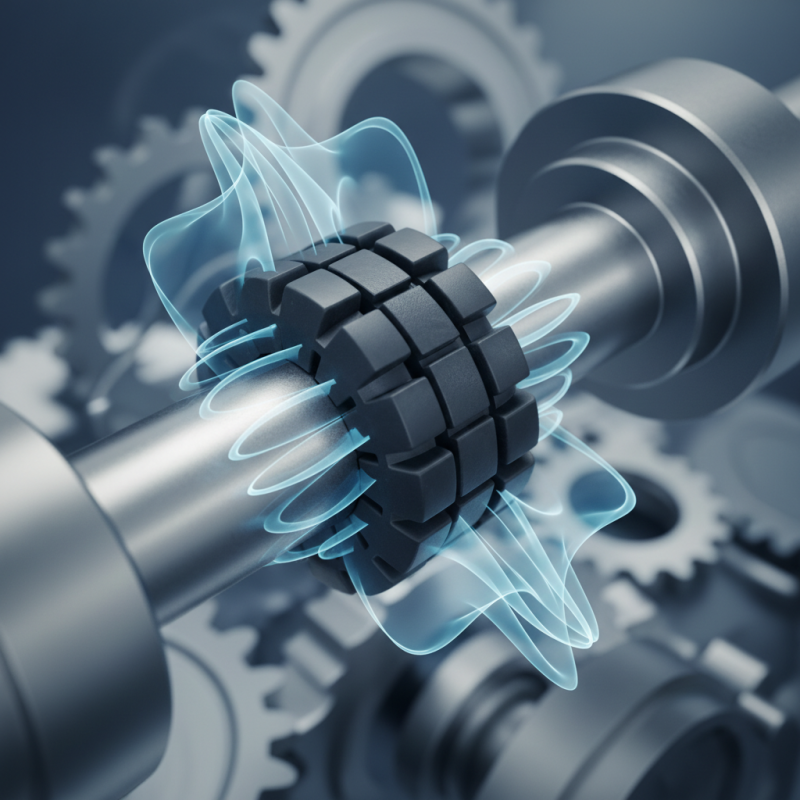
How Rubber Couplings Enhance Vibration Damping in Systems
Rubber couplings are essential in many mechanical systems due to their superior vibration damping properties. They help minimize vibrations and shocks, improving the overall system performance. According to a report by the Industrial Equipment Manufacturing Association, systems using rubber couplings can reduce vibration levels by up to 50%. This reduction can lead to increased lifespan and reduced maintenance costs.
The structure of rubber couplings allows them to absorb kinetic energy. When machinery operates, it generates vibrations. These vibrations can cause wear on components. Rubber couplings act as isolators, absorbing these vibrations before they damage other parts. A study published in the Journal of Mechanical Engineering showed that equipment with rubber couplings experienced 75% less wear compared to those without.
While rubber couplings offer significant advantages, they are not without limitations. Factors such as temperature, chemical exposure, and loading conditions can affect their effectiveness. Regular inspection and maintenance are crucial. Despite these imperfections, their benefits in vibration control make them a valuable choice in mechanical systems.
Top Benefits of Using Rubber Coupling for Mechanical Systems
| Benefit | Description | Impact on Mechanical Systems |
| Vibration Damping | Rubber couplings absorb vibrations, reducing stress on connected components. | Increases longevity and reliability of mechanical systems. |
| Shock Absorption | Helps to cushion shock loads during operation. | Prevents premature wear and reduces maintenance costs. |
| Misalignment Compensation | Allows for some degree of misalignment between shafts. | Enhances installation flexibility and reduces installation time. |
| Corrosion Resistance | Rubber is impervious to many chemicals and environmental conditions. | Increases system durability in harsh environments. |
| Cost-Effectiveness | Lower overall costs due to reduced downtime and maintenance. | Improves the economic viability of mechanical solutions. |
Applications of Rubber Couplings in Various Industries
Rubber couplings offer versatility in various industrial applications due to their flexibility, shock absorption, and ability to reduce noise. They are crucial in sectors like automotive, manufacturing, and renewable energy. For instance, the automotive industry relies heavily on these couplings for drive shafts. A report by MarketsandMarkets indicates that the rubber coupling market is estimated to reach $1.2 billion by 2025, reflecting significant growth driven by their demand in high-performance machinery.
In manufacturing, rubber couplings connect motors and gearboxes. Their ability to accommodate misalignment can prevent wear and tear. This enhances equipment longevity and reduces maintenance costs. In renewable energy, especially wind and solar, rubber couplings ensure reliable performance in a dynamic environment. A study by Grand View Research shows that effective coupling systems can lead to a 15% reduction in energy loss.
Tip: Proper installation is vital for maximizing the benefits of rubber couplings. Misalignment during setup can lead to performance issues. Regular inspections will help catch potential problems early. Additionally, choose couplings that match your specific application needs to optimize efficiency.
Maintenance Tips for Ensuring Longevity of Rubber Couplings
Rubber couplings play a crucial role in mechanical systems. They help reduce vibration and misalignment between connected components. However, like all parts, they require care to ensure a long lifespan.
Regular inspection of rubber couplings is vital. Check for cracks, wear, and other damage every few months. Small signs of wear can lead to bigger issues if not addressed. If a coupling appears worn or damaged, replace it immediately. This simple step can prevent costly breakdowns.
Lubrication also matters. While rubber couplings generally do not require lubrication, certain environments may benefit from periodic checks. Ensure there is no excess dust or debris, as these can cause friction. Clean surfaces can prolong coupling life. A clean coupling operates more effectively and reduces the risk of failure.
Finally, consider temperature variations. Rubber can degrade in extreme heat or cold. Ensure couplings are rated for their operating environment. By following these tips, you can enhance the performance and lifespan of rubber couplings. Regular maintenance is key to reliability in mechanical systems.