Top 10 Benefits of Robotic Welding for Global Buyers?
In today's manufacturing landscape, Robotic Welding has emerged as a powerful tool for many industries. This technology significantly enhances productivity, precision, and efficiency. Companies around the globe are increasingly turning to robotic systems to meet their welding needs. These powerful machines offer numerous advantages, from reduced labor costs to improved safety.
Adopting Robotic Welding allows businesses to maintain consistent quality in their production processes. Robots can work tirelessly, delivering uniform welds with minimal human error. This reduces the likelihood of defects and assures a higher level of quality control. Companies often find that the initial investment in robotic systems pays off through long-term savings.
However, it's crucial to recognize that transitioning to robotic welding systems is not without challenges. Companies must invest in training and maintenance to fully harness the benefits. Misunderstandings about machine capabilities can lead to misuse. Ultimately, the success of Robotic Welding relies on careful integration and a commitment to continual improvement. Embracing this technology means navigating both its advantages and potential pitfalls.
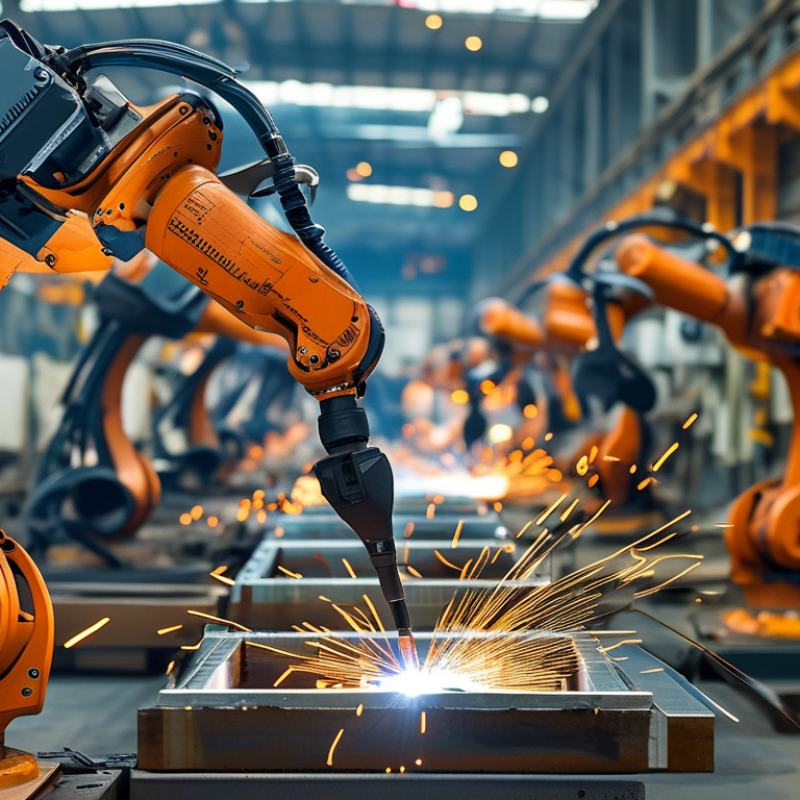
Overview of Robotic Welding Technology and Its Applications
Robotic welding technology has transformed manufacturing processes worldwide. It automates the welding tasks traditionally performed by skilled laborers. Industries report that robotic welding systems can enhance productivity by as much as 30%. This efficiency is crucial as demand for high-quality welded products rises.
The applications of robotic welding span various sectors, including automotive and aerospace. An industry study showed that top manufacturers rely on these systems to minimize errors. In fact, robotic welding can achieve precision levels down to 0.05 millimeters. This accuracy reduces the need for rework, saving time and costs.
However, adopting robotic welding is not without challenges. Initial investment can be significant, and integration into existing workflows may require effort. Companies might face a learning curve in programming and maintenance. Continuous training for personnel is essential for maximizing operational benefits. Recognizing these hurdles is vital for effective implementation.
Increased Precision and Consistency in Welding Processes
Robotic welding brings significant advancements in precision and consistency, reshaping manufacturing processes. Traditional welding methods often lead to variations due to human error. In contrast, robotic systems perform tasks with high accuracy. This ensures that welds meet strict specifications, reducing the risk of defects.
Consistency in welding is vital. Each weld requires uniform application of heat and material. Robots maintain these standards over extended periods. As a result, manufacturers see fewer reworks and lower material waste. This reliability can also enhance overall productivity. Companies experience faster turnaround times, meeting customer demands more efficiently.
**Tip:** Regular maintenance of robotic welding equipment is crucial. It ensures optimal performance and mitigates potential issues. Additionally, training operators on any software updates can prevent disruptions.
Investing in robotic welding technology might seem daunting. Not every organization can afford it initially. However, understanding long-term benefits, like reduced labor costs and increased output, can guide decision-making. Implementing this technology may reveal areas that still require human oversight, and acknowledging these gaps can lead to continual improvement.
Cost Efficiency and Labor Reduction through Automation
Robotic welding has become a game changer in manufacturing. Its ability to automate processes leads to remarkable cost efficiency. By using robots, companies can decrease labor costs significantly. Fewer workers are needed on the shop floor, which reduces overhead expenses like payroll and benefits. For global buyers, this translates into lower product prices, making their goods more competitive.
Automation also increases production speed. Robots can work tirelessly, producing consistent welds with minimal downtime. This reliability enhances productivity. However, companies must consider initial investment costs. The upfront expense of purchasing and integrating robotic systems can be daunting. Not all businesses can afford it immediately.
Moreover, employee retraining is essential. Workers initially displaced by robots may need to learn new skills. This transition may raise concerns about job security within the workforce. Balancing automation with human expertise is crucial. While robotic welding offers clear advantages, managing change effectively is vital for lasting success.
Top 10 Benefits of Robotic Welding for Global Buyers
| Benefit | Description | Impact |
| Cost Efficiency | Reduces overall production costs through automation, decreasing labor expenses. | Lower operational costs and increased profit margins. |
| Labor Reduction | Automation of repetitive tasks reduces the need for manual labor. | Enables workforce reallocation to more complex tasks. |
| Improved Quality | Consistent welding quality with fewer defects compared to manual processes. | Higher customer satisfaction and reduced rework. |
| Increased Throughput | Robots can work longer hours without breaks, increasing overall output. | Faster production cycles and improved delivery times. |
| Safety | Reduces risk of accidents by taking over dangerous welding tasks. | Improved workplace safety and lower insurance costs. |
| Flexibility | Robots can be reprogrammed for different tasks and products. | Adaptation to changing market needs and product lines. |
| Data Analysis | Integration with IoT allows for collecting data on production processes. | Better decision-making and optimization of workflows. |
| Reduced Waste | Precise control minimizes material waste during production. | Lower material costs and improved sustainability. |
| Talent Utilization | Frees skilled workers from mundane tasks, allowing focus on innovation. | Enhanced creativity and productivity among workforce. |
| Scalability | Robotic systems can be scaled up or down based on demand. | Cost-effective adjustment to market fluctuations. |
Enhanced Safety Measures in Welding Operations
In the realm of welding, safety is paramount. Robotic welding technology incorporates advanced safety measures that significantly enhance workplace safety. Robots can undertake dangerous tasks, reducing the risk of employee injuries. For example, they can weld at extreme temperatures or in confined spaces, where human intervention can be hazardous.
Moreover, these systems feature built-in sensors and cameras. These technologies detect potential hazards in real time. If a problem arises, the robot can halt operations immediately, preventing accidents. This level of vigilance ensures a safer environment for human workers.
However, robotic systems also require careful consideration. Training staff to operate and maintain these machines is essential. Without proper training, accidents can occur, even with advanced safety measures in place. Additionally, reliance on technology may create gaps in skills among the workforce. Balancing automation with human expertise is crucial for long-term success.
Top 10 Benefits of Robotic Welding for Global Buyers
This chart illustrates the top benefits of robotic welding for global buyers, showcasing key advantages such as increased productivity, enhanced safety measures, and consistent quality ranked on a scale from 1 to 10 based on their significance. These benefits are integral to improving weld operations and enhancing overall business performance.
Scalability and Flexibility of Robotic Welding Systems
Robotic welding systems offer remarkable scalability and flexibility, which are critical for manufacturers today. These systems can easily adapt to different production levels. As demand fluctuates, organizations can scale operations without extensive downtime. This allows businesses to remain responsive to market changes.
Flexibility in robotic welding means that these systems can handle various materials and designs. Manufacturers often face diverse projects that require quick adjustments. Robotic welding systems are designed to reprogram quickly, accommodating new welding paths or parameters. This versatility adds value, particularly in industries where customization is key.
Despite the advantages, there are challenges. Initial setup costs and the learning curve can be high. Not all teams may be equipped to manage these systems right away. Continuous training is required to optimize their use fully. This aspect highlights the need for ongoing evaluation of the technology's impact versus its operational costs. Flexibility is not just about physical capability; it's also about the willingness to adapt and improve over time.





