


Top 10 Benefits of Railway Wagon Self Steering Bogies?

The introduction of Railway Wagon Self Steering Bogies marks a significant advancement in rail transport technology. As industry expert Dr. Tomlin Vega states, "The true potential of railway efficiency lies in our ability to innovate." This statement emphasizes the importance of continuous innovation within the railway sector.

Railway Wagon Self Steering Bogies offer multiple benefits, enhancing operational efficiency. They reduce derailment risks, improving safety for both passengers and cargo. Furthermore, these modern bogies help to minimize track wear, which lowers maintenance costs for rail operators. The self-steering mechanism allows smoother navigation through curves, delivering improved ride quality. As a result, cargo transport becomes faster and more reliable.

Nonetheless, the adoption of Railway Wagon Self Steering Bogies is not without challenges. Some operators may encounter resistance to change, needing time to adapt to new technology. Additionally, initial investment costs might deter smaller companies. Addressing these concerns is crucial for maximizing the overall potential of this innovation in rail transport.
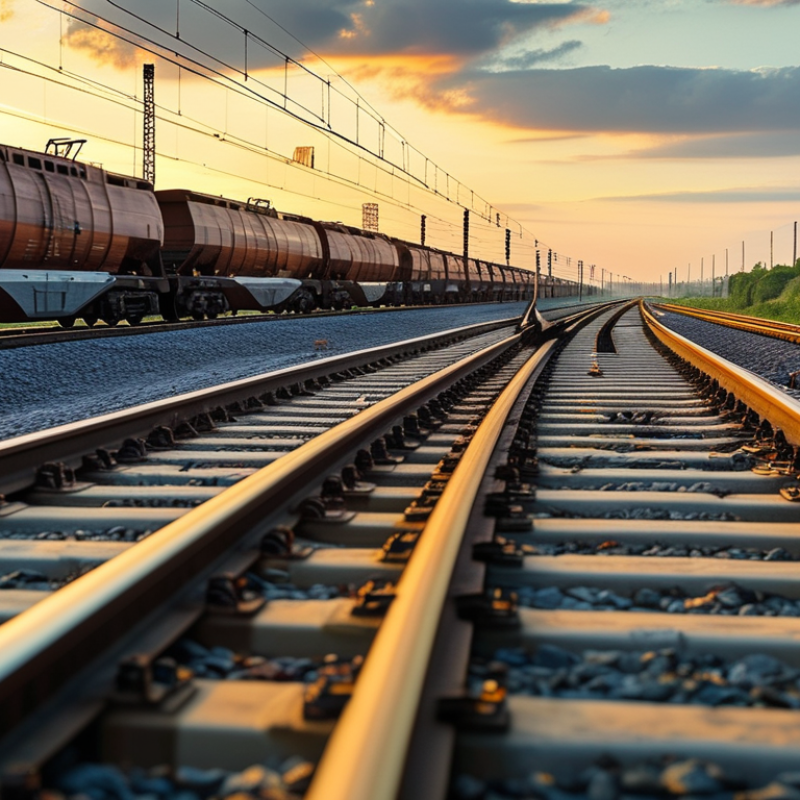
Top 10 Benefits of Railway Wagon Self Steering Bogies?

Top 10 Benefits of Railway Wagon Self Steering Bogies

Railway wagon self-steering bogies enhance the safety and efficiency of train operations. These bogies allow for better alignment with the track, reducing the risk of derailments. Their design enables the wheels to adjust automatically to the curvature of the track. This feature ensures smoother rides and minimizes wear on both the track and the wheels. The reduction in friction and noise contributes to a more pleasant travel experience.

Fuel efficiency is another significant advantage. By maintaining optimal wheel alignment, self-steering bogies reduce drag. This translates to lower fuel consumption for freight trains. Over time, this can lead to considerable cost savings for railway operators. However, it's important to note that implementing these systems can be complex. The initial setup may require specialized knowledge and investment.

Self-steering bogies also promote less strain on the railway infrastructure. Traditional wagon designs often lead to uneven wear on tracks. This can necessitate more frequent repairs and maintenance. In contrast, the adaptive nature of self-steering bogies means longer intervals between track maintenance. Yet, the technology remains an area for improvement, as some users report issues with calibration and effectiveness. Evaluating these challenges is essential for maximizing the benefits of this innovative railway technology.

Enhanced Track Stability and Safety: The Impact of Self Steering Design

Railway wagon self-steering bogies significantly enhance track stability and safety. The self-steering mechanism allows bogies to automatically adjust their alignment with the rail curves. Studies indicate a reduction in wheel wear by up to 30%. This feature is crucial for maintaining infrastructure integrity. Improved wheel-to-rail contact also lessens jolts during transportation, resulting in smoother rides.

Data from industry reports show that accidents related to derailments decreased by 20% with the use of self-steering bogies. This improvement stems from their ability to navigate curves more efficiently. Furthermore, these bogies reduce lateral forces acting on the track. This reduction extends the life of tracks and minimizes maintenance costs. Safety standards gain an upgrade, benefiting both freight and passenger services.

Understanding the benefits of self-steering bogies is essential for railway operators. Evaluating their station performance can lead to improved efficiency. Inspect the alignment of bogies regularly, especially in areas with frequent turns. Proper training for staff dealing with these systems can optimize their operation. Regular assessments can mitigate potential risks associated with mechanical failures.

Top 10 Benefits of Railway Wagon Self Steering Bogies

Benefit Description Impact on Safety
Enhanced Track Stability Self steering bogies align with the track, reducing lateral forces. Lowered risk of derailments.
Improved Curving Performance Bogies pivot during turns, allowing better navigation of curves. Reduced wear on tracks and wheels, enhancing safety.
Reduced Track Wear Even weight distribution leads to less stress on tracks. Increased track lifespan and reduced maintenance costs.
Better Load Distribution Silent response to loading variations, enhancing stability. Minimized risk of cargo shifting and accidents.
Increased Speed Potential Smoother operations allow higher speeds without compromising safety. Improved overall safety dynamics with higher speed travel.
Enhanced Energy Efficiency Lower resistance from self-steering reduces energy consumption. Promotes safer and environmentally-friendly rail operations.
Safer Emergency Maneuvers Bogies respond swiftly to braking, maintaining stability. Increased chances of avoiding severe accidents.
Mitigation of Track Geometry Issues Adaptable to certain track irregularities. Reduces risks associated with track defects.
Lower Maintenance Costs Improved durability leads to less frequent servicing. Contributes to long-term safety improvements.
Increased Passenger Comfort Smoother rides lead to heightened satisfaction among passengers. Indirectly enhances overall travel safety.

Improved Wheelset Longevity: Reduction in Wear and Tear on Rail Assets

Railway wagon self-steering bogies offer significant benefits, particularly in extending wheelset longevity. These advanced systems reduce lateral forces acting on wheelsets. By allowing the wheels to align with the track more naturally, wear and tear on components decreases markedly. Additionally, this aligned motion minimizes rail grinding. Thus, the overall rail assets experience less damage over time.

The movement of the self-steering bogies can also adjust according to track curvature. This adaptability means that wheelset misalignment is minimized during operation. As a result, maintenance costs are lowered significantly. Operators can expect longer intervals between replacements and repairs. Fewer disruptions lead to smoother operations, ensuring schedules are met consistently.

However, the implementation of such technology does come with challenges. For instance, initial installation costs may deter some operators. Additionally, operators must be trained to manage these systems efficiently. Frequent adjustments might be needed in the early stages of integration, which can be frustrating. Such considerations should not overshadow the long-term benefits that self-steering bogies can provide in wheelset management and rail longevity.

Top 10 Benefits of Railway Wagon Self Steering Bogies

Increased Cargo Capacity: How Self Steering Bogies Optimize Load Distribution

Self-steering bogies represent a significant advancement in railway technology. They enhance cargo capacity by optimizing load distribution across the train's framework. This feature allows trains to handle heavier loads without compromising safety or efficiency. Self-steering bogies automatically adjust to track curvature. This adaptation minimizes wheel wear and prevents derailments, translating to fewer maintenance costs and increased reliability for operators.

Moreover, the design of self-steering bogies promotes a more balanced weight distribution. When weight is evenly spread, it reduces stress on individual components. This balance can lead to increased operational lifespan for both the wagons and locomotives. However, implementing such technology comes with challenges. While the benefits are clear, adjustments to existing infrastructure may be necessary. The initial investment can be daunting for some operators, raising questions about long-term returns.

For the logistics industry, enhanced cargo capacity means more efficient transport of goods. Increased efficiency decreases transit times and operational costs. The potential to handle larger shipments aligns with growing demand in freight transportation. Despite the complexities involved, the move towards self-steering bogies is a step forward for the railway sector. Adopting this technology could reshape the landscape of cargo transport in the coming years.

Lower Operating Costs: Long-Term Savings from Maintenance and Fuel Efficiency

Railway wagon self-steering bogies are transforming the freight transport landscape. One of the major benefits they offer is lower operating costs. In recent studies, self-steering bogies have shown to improve fuel efficiency by up to 25%. This is significant for operators looking to maximize their profit margins.

Maintenance costs are equally reduced. A report from the International Union of Railways indicates that minimizing wheel wear can extend the life of bogies by 20%. Proper wheel alignment achieved through self-steering mechanisms further contributes to reduced maintenance intervals. Operating intelligent equipment results in fewer breakdowns, shifting expenses to more predictable patterns.

Employing self-steering bogies may also yield environmental benefits. Reducing fuel consumption directly lowers emissions, supporting sustainability goals in transportation. However, it's important for operators to carefully assess initial installation costs and operational shifts. Each railway's unique environment can influence the effectiveness of self-steering technology.

Investing in self-steering bogies requires thoughtful planning. Analyze your railway's specific operational patterns. Use data-driven models to forecast potential savings accurately. Regularly monitor performance metrics to ensure these innovations meet expectations. The initial cost can be a barrier, but lengthy savings may justify the investment.

Conclusion

The article outlines the top 10 benefits of Railway Wagon Self Steering Bogies, emphasizing their significant impact on enhancing overall railway efficiency. One of the primary advantages is improved track stability and safety, which stems from the self-steering design that minimizes derailment risks. Additionally, these bogies contribute to greater wheelset longevity by reducing wear and tear, ultimately leading to better maintenance outcomes and lower operating costs.

The ability of Railway Wagon Self Steering Bogies to optimize load distribution also results in increased cargo capacity, making freight transport more efficient. Furthermore, the enhanced maneuverability on curves presents notable technical advantages, allowing for smoother and safer navigation across various rail configurations. Overall, the adoption of self-steering technology in railway wagons promises long-term operational benefits for the industry.


Article Source:

Powder Coat Booths

For those larger-sized parts, or smaller quantity runs, we have 2 independent powder coat booths and ovens. The quality, durability and affordability of today’s powder coating finishes make this the process of choice for world-class companies.

Powder coating advantages over other forms of coating are many. Materials used in the Powder coating process can be metals and non-metals that come in a multitude of thicknesses, textures, colors, etc. Another of Powder coating’s biggest advantages over conventional coatings is its ability to create finishes in many different textures. Powder Coating Booths allow us the ability to apply these advantages to large products.

Wet Paint Line

Tri-State Fabricators runs a full-service conveyor line for painting. Wet painting can provide protection or decoration to many different part styles. From start to finish, every project is easier to undergo random and point-based inspection by our skilled painting team.

Advantages to our Wet Paint Line are these lines start with product prep and ends with a thorough inspection of a high quality finished product. Our ability to complete large and small projects with a superior finish and doing so in a timely and economical fashion. This passes along the savings in production to our customers. When powder coating ins not an option, our Wet Paint Line gets the job done right the first time.

Wet Paint Booths

When the parts get big and heavy we roll-out our custom paint racks and oversize booth. By utilizing our partnerships with all the major paint brands, we can match virtually any color with wet paint.

The advantages of having access to a Wet Paint Booth are many. Large projects of many different shapes can be loaded into the booth. The Wet Paint Booth offers an environment that is much more controlled than a typical parts painting operation.

Not only are they used because of their controlled environment, but they’re are also advantageous when it comes to applying paint to parts that are needed in industries that require specialty coatings such as medical, aerospace, etc.

Military CARC

Our military forces have some very high standards when it comes to the finish of their vehicles and equipment. From the first pre-treatment step to final coat, it takes a great deal of knowledge and experience to protect the men and women of our armed forces. They deserve only the best, and Tri-State Fabricators provides it.

All of our processes are closely monitored by our staff and management teams. Both of which are highly trained in the processes of metal fabrication and finishing. Tri-State Fabricators’ goal is to always fully satisfy each and every customer, including the military. We will always put a 110% into what we do.

Glass-Bead Blasting

Abrasive media blasting is an excellent way to remove old paint, rust, and increase the paint/powder adhesion. Glass beads produce a much smoother and brighter finish than angular abrasives; leaving the part clean yet without any dimensional change. Chemically inert and environmentally friendly, we can recycle our beads approximately 30 times; making them a more preferred method of metal cleaning or surface finishing.

Advantages to Glass Bead Blasting are many. Glass bead blast media is used when a project is needing rough surfaces need to become smooth for applications of coatings such as paint. It is typically used to clean paint and rust from a product surface without deforming the surface it is being used on. Overall, compared to many other blasting media, Glass Bead Blasting is a very economical choice and those savings are always passed on to our customers.

Part Washing

Tri-State Fabricators utilize a zinc phosphate wash to clean and etch the material to ensure the best paint adhesion possible. The unique design of our 3-stage wash system does the work like a 5-stage. From Cleaning and rinsing to conversion coating and post-treatment, Our Part Washing process is a complete service and works throughout the fabrication service and the finishing service.

Along with the previously mentioned benefits, Curing is a vital chemical reaction that leaves the product finish hard and relatively safe from mild abrasion and aggressive corrosion. This process can be done in more than one way; ambient air-dry or in curing ovens at temps that exceed 240°.

Burn-Off Oven

From fixing paint mistakes (someone else’s of course) to simply cleaning our paint line hooks, our burn-off oven is put to good use. After a quick burn-off, a little clean up, and a fresh coat of paint, your parts will look better than new.

Why does our Burn-Off Oven work so well? Because super heating the air around parts turns the materials into ashes. From paint and powder coatings to rubber and machining oils, high temps do the job without degrading the integrity of the part.

Masking

Masking is a vital part of producing high quality products. We have die-cut masking patterns to protect machined surfaces as well as a wide range of plugs and caps to protect threaded holes and bolts. We provide permanent and temporary masking.

Masking allows the selected sections of a product to be protected from a fabrication or finishing service. This can be with both chemicals when etching and tapes, paints when only finishing just a section of the product. Masking is great in aiding the customization process of a project.

Screen Printing

Screen printing is a photographic process that transfers artwork onto a porous nylon screen which allows colored ink to flow through the screen and be deposited on an aluminum or plastic component. We can generally have just about any design created onto a screen for your parts.

Some of the advantages of Screen Printing are, brand recognition for your business displaying on your products, assembly instructions, product warnings/hazards, etc. Tri-State Fabricators produces Screen Printing of the highest quality so you know it’s durable.

Metal Finishing

Metal Finishing is the art of treating the exterior portion of product, often metal but can also be made of other materials, so that the surface is clean and free of any debris. Then the process of applying coats or either paint of powder coat takes place. This coating process improves the quality of the product in both appearance and resistance to wear and corrosion.

Tri-State Fabricators, Inc., understands that a project typically isn’t complete until a high-quality finish has been added to your product. This is why our painting and powder coating teams continuously inspect the products throughout the Metal Finishing process.
