Top Benefits of Investment Casting Mold for Global Buyers?
Investment casting mold is a critical component in the manufacturing industry. It offers unique benefits that appeal to global buyers. According to John Smith, a renowned expert in investment casting, "The precision of investment casting molds can significantly enhance product quality." His insight reflects the importance of this technology.
The investment casting mold process allows for intricate designs and excellent dimensional accuracy. Many industries, including aerospace and automotive, rely on it. However, misconceptions about the costs can deter businesses from utilizing this method. It's essential to weigh the initial investment against the long-term benefits.
While there are advantages, challenges exist. Some may find the learning curve steep. Understanding the intricacies of investment casting molds is vital for optimal results. Engaging with industry professionals can provide clarity. Ultimately, the value derived from well-designed molds can outweigh these hurdles and promote reliability in production.
Understanding Investment Casting Mold: An Overview
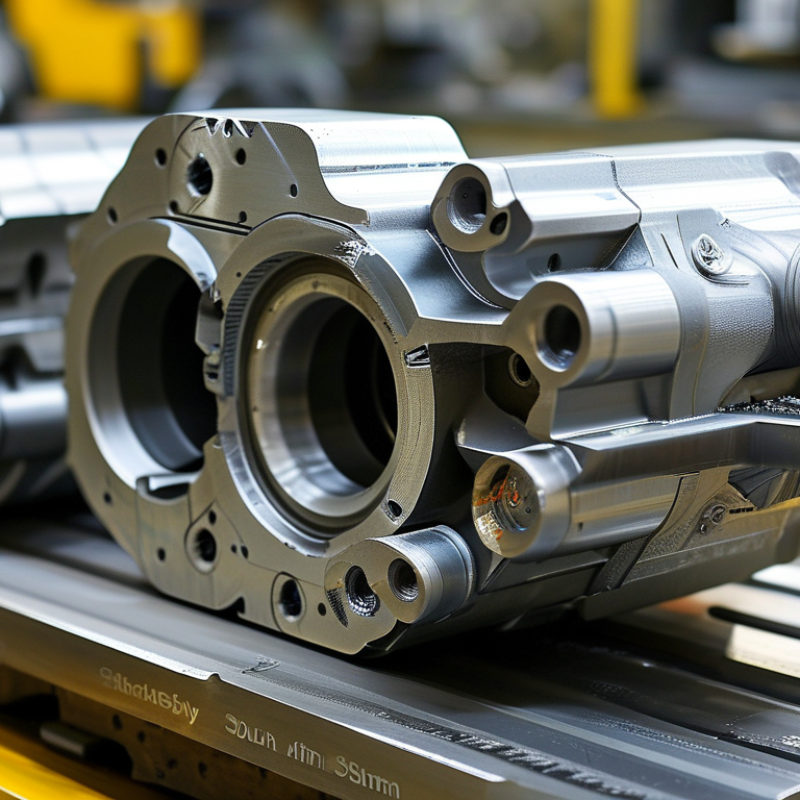
Investment casting molds are pivotal in manufacturing sectors. They enable the creation of precise and complex parts from various metals. This method is especially beneficial for industries such as aerospace, automotive, and medical devices. Understanding the nuances of investment casting is essential for anyone involved in these fields.
Tips: Always assess your production volume. Smaller runs may yield less efficiency compared to larger volumes. Additionally, consider the material type. Selecting the right metal can greatly influence the final properties of your component.
Investment casting involves creating a wax pattern coated with a ceramic shell. Once the shell hardens, the wax is melted away, leaving a hollow mold. This process allows for intricate designs and smooth finishes, which can reduce post-processing needs. However, the initial costs may be higher, which requires careful budgeting and planning.
Tips: Evaluate the design complexity beforehand. Not all shapes are ideal for investment casting. Engage with manufacturers early in the design phase to identify potential challenges or adjustments needed to optimize the process.
Key Advantages of Investment Casting for Global Buyers
Investment casting offers key advantages for global buyers looking for precision and reliability in manufacturing. The process allows for intricate designs and complex geometries. This precision reduces the need for costly machining later. It is essential for industries such as aerospace and automotive, where exact specifications are critical.
Another benefit is material versatility. Investment casting accommodates a wide range of metals and alloys. Buyers can choose materials that suit their specific needs without compromising on quality. The consistency in mold making leads to uniformity. Each piece can be replicated with high fidelity, which is vital for large-scale production.
However, there are challenges to consider. The initial setup can be costly. Buyers need to evaluate if the benefits outweigh the investment. Additionally, quality control is crucial, as defects can arise in intricate designs. A thorough understanding of the casting process is necessary to mitigate these risks. By analyzing both the advantages and drawbacks, buyers can make informed decisions tailored to their production requirements.
Cost-Effectiveness of Investment Casting in Production
Investment casting offers significant cost benefits for global buyers. This method allows for complex geometries with high precision. The detailed mold process reduces the need for extensive machining. Companies often find that this leads to lower labor and material costs. By minimizing waste, investment casting enhances total cost efficiency.
In addition, the tooling involved in investment casting can be reused multiple times. This long-lasting mold capability translates to further savings in production. While initial setup costs may seem high, the overall reduction in unit costs justifies this investment. Buyers must also consider the production speed. Fast lead times enhance inventory turnover rates.
However, not all components are suited for this method. Manufacturers should analyze whether their specific designs align with investment casting advantages. Understanding the scope and limits of this technique will further enhance decision-making. Balancing high precision with production costs ensures sustainable growth in manufacturing.
Top Benefits of Investment Casting Mold for Global Buyers
| Benefit | Description | Cost-Effectiveness |
| Precision | Investment casting allows for tight tolerances and complex geometries, reducing the need for additional machining. | Lower machining costs due to higher precision. |
| Material Variety | Compatible with a wide range of metals and alloys, allowing for tailored material selection based on application needs. | Wider material options may lead to performance enhancements without significant cost increases. |
| Cost Savings | Reduction in waste material compared to other casting processes, leading to lower overall material costs. | Managing lower material waste helps in reducing production costs. |
| Production Efficiency | Investment casting can streamline production cycles through faster mold-making and reduced post-casting operations. | Shorter production times lead to better labor cost management. |
| Surface Finish | Investment casting typically results in superior surface finishes, minimizing the need for secondary finishing processes. | Reduced finishing expenses contribute to overall cost savings. |
Applications of Investment Casting in Various Industries
Investment casting is a versatile manufacturing technique applicable in various industries. Aerospace relies heavily on this method for producing complex parts like turbine blades and engine components. The precision of investment casting allows for lightweight yet durable components, crucial for improving fuel efficiency.
In the automotive sector, investment casting facilitates the creation of intricate designs that enhance vehicle performance. Components such as transmission housings and gear parts benefit from the method's ability to minimize waste. However, challenges exist. The initial tooling costs can be high, and not all designs translate well into this process.
Medical devices also utilize investment casting for precise and reliable components. Surgical instruments and implants must meet stringent quality standards. This method aids in achieving the desired accuracy and finish. Nevertheless, it is important to note that not all materials are suitable for investment casting. Evaluating the intended application is key to achieving optimal outcomes.
Quality and Precision Benefits of Using Investment Casting Molds
Investment casting molds offer significant advantages in quality and precision for manufacturers. These molds allow for intricate designs and complex geometries that traditional methods often struggle to achieve. The fine detail captured in each piece reduces the need for extensive machining later. This leads to enhanced efficiency and reduced production times.
The materials used in investment casting molds contribute to their reliability and performance. High-quality ceramics and metals ensure durability. Accurate measurements make a considerable difference in achieving tight tolerances. However, inconsistencies can arise from various factors, leading to unexpected challenges during production. Regular assessment of mold performance is crucial.
Moreover, the precision of investment casting molds minimizes waste. This efficiency is particularly beneficial in industries needing exact specifications. Small errors in casting can lead to costly recalls or redesigns. By utilizing investment casting, buyers can mitigate these risks, ensuring higher satisfaction rates. Focusing on the details and quality control processes will enhance outcomes, but there is always room for improvement.
Top Benefits of Investment Casting Molds





