Top Benefits of Using a Fiber Laser Machine for Cutting?
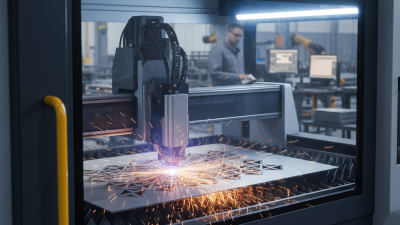
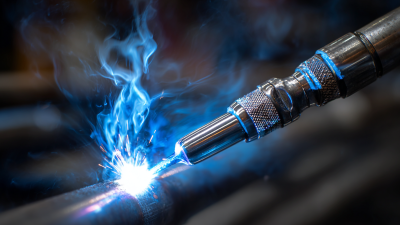
The fiber laser machine has become a game-changer in the cutting industry. According to a recent industry report, the fiber laser market is expected to grow by over 10% annually. This growth reflects its increasing popularity among manufacturers. The machine's precision and speed make it ideal for various applications.
In comparison to traditional cutting methods, fiber lasers offer significantly lower operational costs. They consume less energy, reducing production expenses. Additionally, the fiber laser machine provides cleaner cuts with minimal waste. This efficiency can directly impact the bottom line for businesses.
However, transitioning to fiber laser technology is not without challenges. Companies may face a learning curve in adapting to the new system. Some might struggle with the initial investment costs. It’s crucial to weigh these factors carefully. Despite these hurdles, the benefits of using a fiber laser machine can outweigh the difficulties for many businesses. Its potential to enhance productivity is compelling.
Top Benefits of Using a Fiber Laser Machine for Cutting
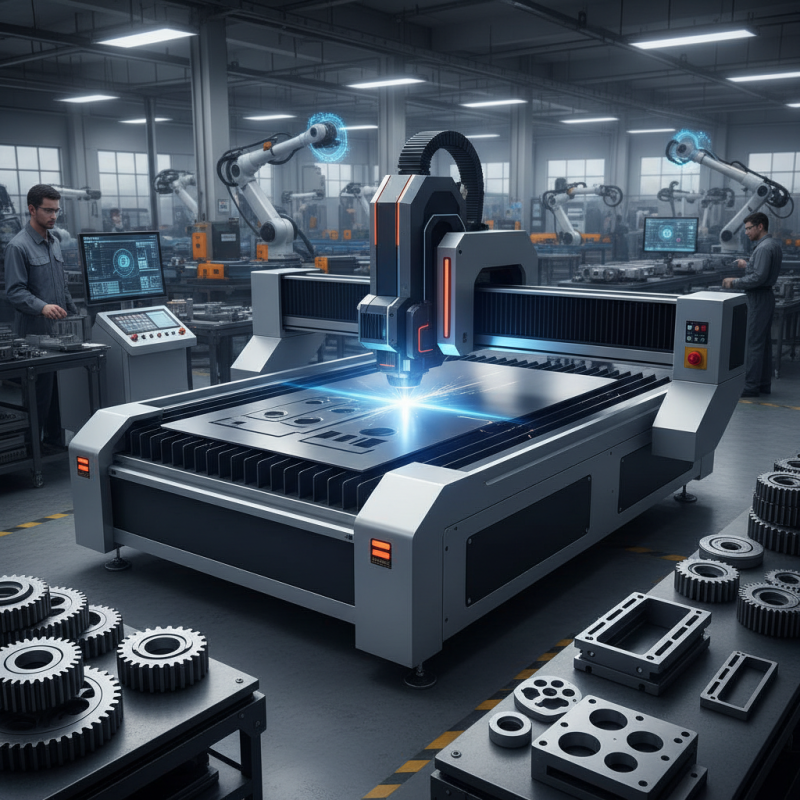
Fiber laser machines have become a leading choice in the cutting industry. Their precision and efficiency contribute significantly to production processes. Reports show that fiber lasers can cut materials up to 60% faster than traditional methods. This increase in speed often translates into higher productivity and reduced operational costs.
One notable advantage of fiber laser technology is its versatility. It can cut a variety of materials, including metals, plastics, and composites. This capability allows manufacturers to cater to diverse industries. However, the initial investment in fiber laser machines can be substantial. Companies must weigh this cost against potential long-term savings.
Here are some tips to consider when using fiber laser machines:
- Ensure proper maintenance to avoid downtime.
- Regularly clean optics to maintain cutting quality.
- Moreover, be mindful of the specific settings for different materials.
- Adjustments can significantly affect outcomes.
Understanding these nuances can lead to
better performance and
efficiency.
Enhanced Precision and Accuracy in Laser Cutting Techniques
Fiber laser machines are revolutionizing the cutting industry, particularly in precision and accuracy. According to a report by Research and Markets, the laser cutting market is expected to grow significantly. The demand for precision in manufacturing continues to rise. Fiber lasers deliver exceptional performance, with a precision level of 0.01 mm. This remarkable accuracy enhances overall product quality.
When using fiber laser technology, the focused light beam results in cleaner cuts. The minimized heat-affected zone leads to reduced warping of materials. Studies highlight that accurate cutting can improve overall production efficiency by up to 30%. However, challenges remain in settings with varying material thicknesses, as achieving the same level of precision can be tricky.
Moreover, operators need to maintain the machine's calibration regularly. Any deviation can lead to significant discrepancies in the final output. The learning curve for optimizing settings can be steep. There is always room for improvement in training operators to ensure consistent results. Using fiber lasers effectively requires continuous monitoring and adjustment. Keeping pace with advancements in technology also poses a challenge for many manufacturers.
Increased Cutting Speed Compared to Traditional Laser Systems
Fiber laser machines offer remarkable advantages for cutting applications. One of the standout benefits is their increased cutting speed compared to traditional laser systems. Studies indicate that fiber lasers can cut materials up to 4 times faster than CO2 lasers. This speed boost translates to significant time savings on production lines.
A report by MarketsandMarkets predicts that the fiber laser market will grow to $7.3 billion by 2025. This growth is fueled by the demand for precision cutting and higher productivity in manufacturing. Users have noted that the energy efficiency of fiber lasers also contributes to overall operational speed. Higher energy efficiency means less downtime and quicker transitions between projects.
Tips: Keep your fiber laser machine well-maintained to ensure optimal cutting speeds. Regularly check and clean lenses and mirrors for best performance. Additionally, experiment with different settings for various materials. You may find that some adjustments yield even faster cutting times.
While the advancements in fiber laser technology are impressive, it’s crucial to evaluate your specific needs. Not every application may benefit from a fiber laser’s speed. Assess factors like material type and thickness. Understanding these variables will help you make informed decisions.
Cost Efficiency: Lower Operational Costs and Material Waste
Cost efficiency is a crucial aspect when it comes to manufacturing. Fiber laser machines stand out for their lower operational costs and reduced material waste. According to a recent industry report, using fiber lasers can lead to a 90% reduction in waste compared to traditional cutting methods. This significant improvement translates to substantial savings for companies.
Moreover, fiber lasers use less energy. They are 2-3 times more efficient than CO2 lasers. This efficiency means lower electricity bills, which can dramatically improve the bottom line. A manufacturing facility can cut its energy costs by up to 30% simply by switching to fiber laser technology.
However, businesses must consider the initial investment. While fiber laser machines can be cost-effective in the long term, the upfront costs may be higher than traditional solutions. This aspect can raise questions about budgeting and financial planning. Companies should analyze their production needs carefully. Adopting fiber lasers may not be suitable for every application, especially for small-scale operations. Thus, understanding both the advantages and potential drawbacks is essential for informed decision-making.
Versatility in Materials: Ability to Cut Various Metals and Non-Metals
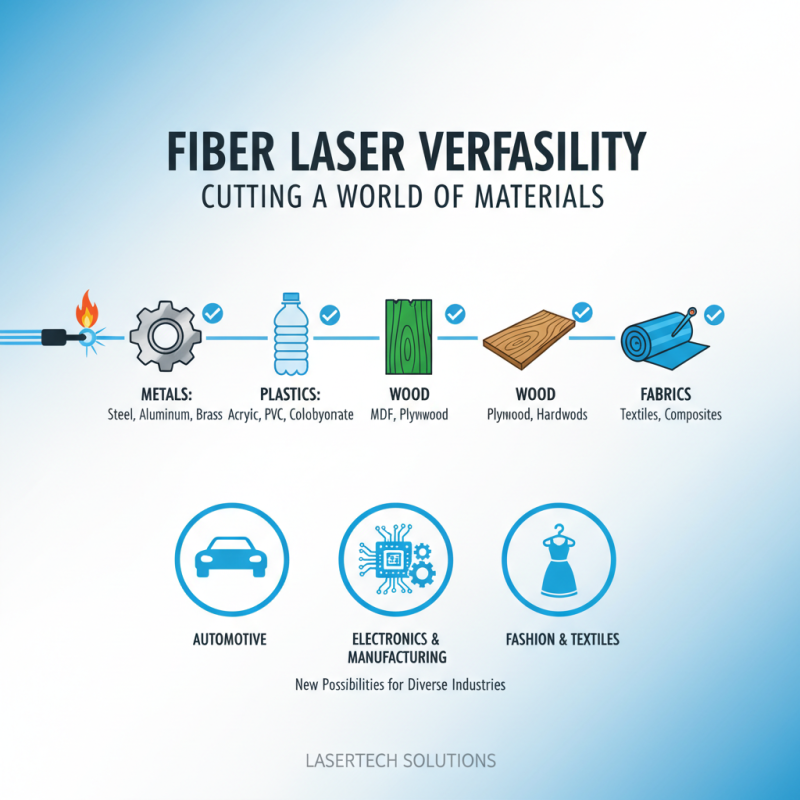
Fiber laser machines stand out for their remarkable versatility in cutting a wide range of materials. They are not limited to traditional metals like steel and aluminum. These machines effectively cut non-metals, including plastics, wood, and even fabrics. This ability opens up new possibilities for various industries, from automotive to fashion.
However, operating a fiber laser machine requires careful consideration. Each material behaves differently during the cutting process. For instance, wood can catch fire if the settings are not properly adjusted. And cutting certain plastics may release fumes that need ventilation. Each situation demands attention to detail, and mistakes can be costly.
Moreover, fiber lasers deliver cleaner cuts with minimal waste. Precision is key in crafting intricate designs. Yet, not all machinery is created equal; achieving optimal results may require regular maintenance. Users must stay vigilant and continually refine their skills. While fiber laser machines provide incredible flexibility, there are challenges that ensure real mastery takes time and persistent effort.
Conclusion
Fiber laser machines have revolutionized the cutting industry with their numerous advantages. One of the primary benefits is the enhanced precision and accuracy offered by these machines, making them ideal for intricate designs. They also provide increased cutting speeds compared to traditional laser systems, significantly boosting productivity in manufacturing environments.
In addition to performance, fiber laser machines are cost-efficient due to lower operational costs and minimized material waste, resulting in better financial returns for businesses. Their versatility allows them to cut a wide range of materials, from various metals to non-metals, catering to diverse industrial needs. Moreover, fiber laser machines typically require reduced maintenance and experience less downtime, which further enhances their appeal in modern production settings.