Top Benefits of ERW Steel Pipe for Global Procurement Needs?
In the world of global procurement, the choice of materials is crucial. ERW Steel Pipe has emerged as a vital option, delivering exceptional performance and versatility. Its manufacturing process makes it both durable and cost-effective. Companies around the globe recognize the advantages that ERW Steel Pipe brings to various industries.
The structured welding method creates strong joints, enhancing reliability. This is essential for projects requiring robust infrastructure. Businesses appreciate that ERW Steel Pipe can be tailored to meet specific requirements. It is available in various sizes and specifications. Such flexibility allows for a wide range of applications from construction to energy sectors. However, sourcing ERW Steel Pipe is not without challenges. Supply chain disruptions and quality control can pose risks.
Yet, the benefits often outweigh these concerns. Companies gain long-term value through reduced maintenance costs and extended product lifespan. Understanding the dynamics of ERW Steel Pipe can empower global buyers in strategic procurement. As they navigate this landscape, making informed choices is key to success.
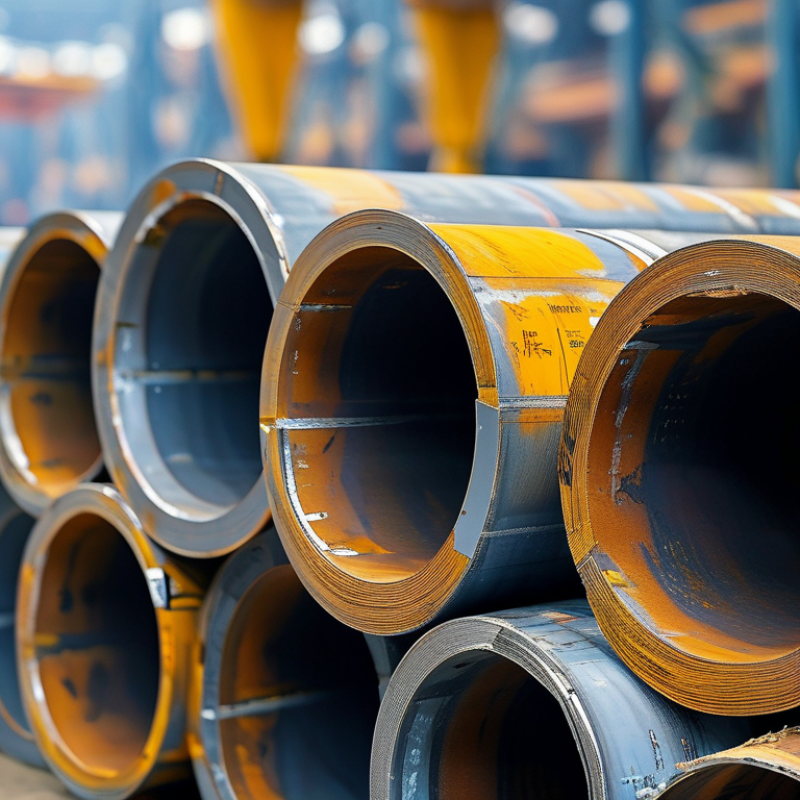
Understanding ERW Steel Pipe: Definition and Manufacturing Process
ERW steel pipes, or Electric Resistance Welded pipes, are essential for various industrial applications. Understanding their manufacturing process is crucial. The production starts with flat steel strips, which are rolled into a cylindrical shape. Then, electric current is applied, creating a weld at the seam. This process ensures uniform strength along the length of the pipe.
The quality of ERW pipes lies in their ability to withstand high pressure. Their smooth surface reduces friction, enhancing flow efficiency. However, the precision of the welding process is vital. A flawed weld can lead to weak spots, compromising the integrity of the pipe. Manufacturers must implement strict quality control measures throughout production.
ERW pipes also offer cost benefits. They require less raw material compared to seamless pipes, making them more economical. Nonetheless, there are limitations. For instance, they are not suitable for high-temperature applications. Understanding these nuances helps in making informed procurement decisions. Each project has unique requirements, so evaluating the suitability of ERW steel pipes is essential.
Key Advantages of ERW Steel Pipe for Global Procurement Strategies
ERW steel pipe has emerged as a vital resource in global procurement strategies due to its unique advantages. One significant benefit is its cost efficiency. According to industry reports, ERW pipes can reduce costs by as much as 20% compared to other pipe manufacturing methods. This cost-saving ability makes ERW pipes appealing for large-scale projects in various sectors, including construction and oil and gas.
In addition to affordability, ERW steel pipes offer excellent mechanical properties. They demonstrate high tensile strength and durability, critical for transporting fluids under pressure. A study from the World Steel Association highlighted that ERW pipes maintain structural integrity in harsh environments, ensuring longevity. Furthermore, their uniform wall thickness leads to predictable performance in various applications.
Tips: When sourcing ERW pipes, consider the specifications like wall thickness and diameter. Always ask for mill certificates to verify material properties. Assess the supplier’s reputation and delivery terms to avoid delays in your project.
Every procurement decision carries risks. It's essential to evaluate the supplier's quality assurance processes. Do they conduct regular inspections? How do they respond to quality issues? Such questions are crucial for maintaining a reliable supply chain. The choice of pipe can influence project success significantly.
Top Benefits of ERW Steel Pipe for Global Procurement Needs
Comparative Analysis: ERW Steel Pipe vs. Other Steel Pipe Types
ERW steel pipe is a popular choice in global procurement. Its production involves electric resistance welding. This method ensures uniform thickness and strength throughout the pipe. Compared to seamless and welded pipes, ERW pipes often provide better cost efficiency. They are lighter and easier to transport.
However, there are considerations. ERW pipes may not be suitable for high-pressure applications. This limits their usage in certain industries. Often, seamless pipes are preferred for critical projects due to their enhanced structural integrity. Buyers must assess the specific needs before choosing a pipe type.
Tips: Always check product specifications. Detailed knowledge of the required pressure ratings is essential. Don't overlook supplier reputation. A reputable vendor can provide better quality assurance. Ensure to evaluate the lifecycle cost, not just the upfront price. This approach fosters long-term savings and reliability in procurement.
Applications of ERW Steel Pipe in Various Industries
ERW (Electric Resistance Welded) steel pipes serve diverse applications across multiple industries. They are widely used in the construction sector for structural purposes. Their strength and durability make them ideal for building frames and supports. Additionally, they are crucial in plumbing and water supply systems, as they ensure a reliable flow of water.
In the oil and gas industry, ERW steel pipes play a significant role. They are used for transporting crude oil and natural gas. The pipes' ability to withstand high pressures is essential in these applications. Moreover, ERW pipes find applications in the energy sector, particularly in power generation. Their resistance to corrosion and wear boosts their longevity and reliability.
Challenges exist in the production of ERW pipes. The welding process can introduce weaknesses if not monitored correctly. Quality control is vital to ensure the pipes meet industry standards. Manufacturers must focus on improving their processes, addressing any inconsistencies. This ongoing reflection ensures that ERW pipes remain a trusted choice across various applications.
Future Trends in ERW Steel Pipe Production and Procurement
The future of ERW steel pipe production and procurement is evolving rapidly. Industry trends indicate a shift towards more sustainable manufacturing practices. Many steel producers are now focusing on reducing their carbon footprint. This shift is in response to both regulatory pressures and consumer demand for greener products.
Adopting advanced technologies can enhance the production process. Automation and digitalization are becoming key in streamlining operations. These innovations can improve efficiency and reduce costs. However, the initial investment might pose a challenge for some manufacturers. Decision-makers must weigh the long-term benefits against short-term expenses.
Tips: When procuring ERW steel pipes, assess suppliers' sustainability practices. Look for companies that prioritize environmental responsibility. Evaluate their certifications to ensure compliance with global standards. This can aid in future-proofing procurement against potential regulatory changes. Also, consider the implications of supply chain disruptions. Diversifying suppliers can mitigate risks associated with over-reliance on a single source.





