What Are the Benefits of Electric Thermal Oil Heaters?
electric thermal oil heaters are transforming industries by providing efficient heating solutions. Dr. Emily Harper, a renowned expert in thermal energy systems, highlights, "The use of electric thermal oil heaters significantly enhances process efficiency." This technology is favored for its ability to maintain high temperatures without pressure.
One major benefit is its energy efficiency. electric thermal oil heaters convert nearly all electrical input into usable heat. This minimizes energy waste, leading to cost savings for businesses. Additionally, these heaters offer precise temperature control. They allow for consistent heating, which is crucial in many industrial applications.
However, there are challenges that should not be overlooked. Initial costs can be high, and maintenance is essential for optimal functioning. It's important for companies to evaluate their specific needs when considering electric thermal oil heaters. By understanding both the advantages and potential drawbacks, businesses can make informed decisions.
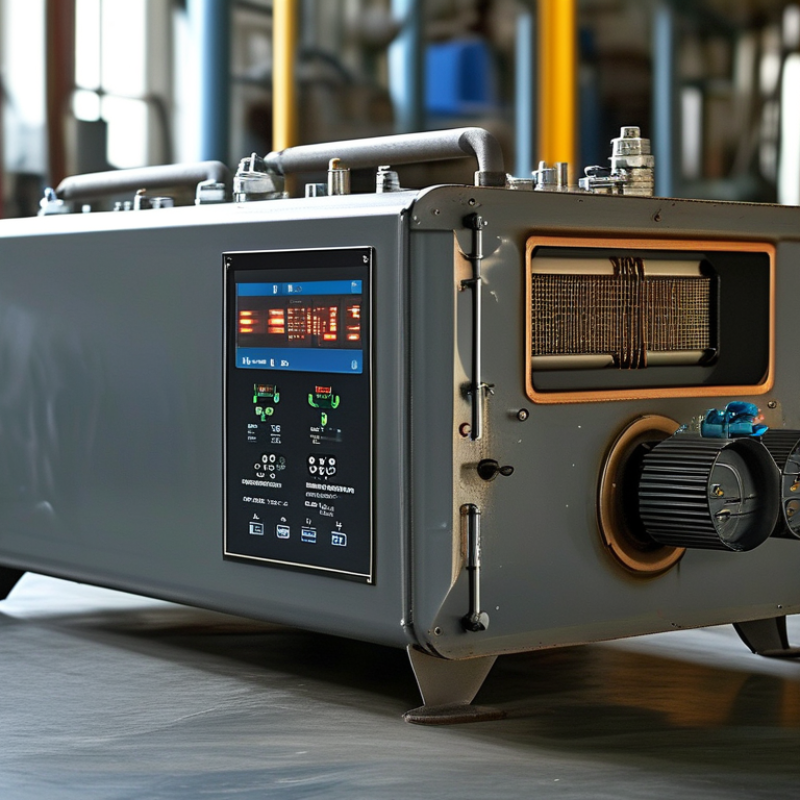
Overview of Electric Thermal Oil Heaters
Electric thermal oil heaters are gaining popularity in various industries. These heaters circulate thermal oil to transfer heat for processes like drying, cooking, or heating. They provide an efficient way to maintain stable temperatures without the risk of overheating.
One notable feature is their energy efficiency. They consume less energy compared to traditional heating methods. This translates to cost savings for businesses. Also, they offer precise temperature control. It can adjust to the specific needs of a process. However, this precision requires regular calibration and maintenance to avoid inefficiency.
Safety is another important aspect. Electric thermal oil heaters have built-in safety features to prevent overheating. Still, reliance on electronic systems can introduce unique risks. Proper training for operators is key to ensuring safe usage. Continuous monitoring can catch potential issues early. The benefits are significant, but they must be matched with diligence in maintenance and operation.
Advantages of Using Electric Thermal Oil Heaters
Electric thermal oil heaters offer several distinctive advantages for industrial heating processes. One primary benefit is their energy efficiency. These heaters can achieve high temperatures while using less energy compared to conventional systems. By maintaining optimal heating without energy waste, businesses can enjoy lower operational costs.
Another key advantage is their precise temperature control. Electric thermal oil heaters allow users to set specific heat levels. This precision enhances safety and reduces the risk of overheating, which can lead to costly damages. The ability to carefully manage temperatures makes them suitable for sensitive applications.
Tips: Regular maintenance is essential. Periodic checks ensure efficiency and safety. Pay attention to leaks, as they can indicate system wear. Furthermore, consider your facility's specific needs when choosing a heater design.
Lastly, these heaters contribute to a cleaner environment. They run on electricity, reducing emissions compared to fossil fuels. This aspect aligns with an increasing focus on sustainability in manufacturing practices. However, relying solely on electricity may not suit every facility. Assessing local energy sources is crucial for making informed decisions.
Comparison with Traditional Heating Systems
Electric thermal oil heaters offer distinct advantages over traditional heating systems, especially in efficiency and safety. According to industry reports, they can achieve thermal efficiency rates of over 90%, significantly higher than conventional boilers that often fall below 80%. This efficiency translates into lower energy costs and reduced greenhouse gas emissions. Companies that adopt these systems can see substantial savings in both operational expenses and maintenance costs.
One notable aspect of electric thermal oil heaters is their ability to maintain consistent temperatures without the risk of overheating. This reliability enhances product quality in industrial applications. Moreover, electric systems do not produce emissions on-site, eliminating health and safety risks associated with combustion. In contrast, traditional heating systems may pose combustion risks, necessitating stringent safety measures.
Tips: Regular maintenance is crucial for maximizing the efficiency of any heating system. Inspecting components and ensuring they function correctly can prevent costly downtime. When considering a switch, evaluate your specific heating needs and possible zonal heating applications. This can lead to even greater savings and efficiency enhancements tailored to your operations.
Applications in Various Industries
Electric thermal oil heaters are widely used across various industries due to their efficiency and reliability. In the chemical industry, these heaters maintain precise temperature control during processes. According to a report from the International Energy Agency, temperature consistency is crucial, as it can boost production efficiency by up to 25%. This is essential for optimizing chemical reactions.
The food processing sector also benefits significantly from electric thermal oil heaters. They are ideal for heating oils and fats without reaching high temperature peaks. The U.S. Department of Agriculture has noted that improper heating can spoil food products, emphasizing that thermal oil systems help preserve flavor and quality. An efficient heating system can improve energy savings by up to 30%.
However, the initial installation costs for these systems can be high. The payback period is often longer than expected. Companies must conduct thorough feasibility studies before investing in this technology. Despite these challenges, the long-term benefits, including reduced maintenance and improved safety, often outweigh the drawbacks. Proper training and adherence to guidelines will ensure maximized efficiency and safety in operation.
Maintenance and Efficiency Considerations
Electric thermal oil heaters offer significant efficiency and maintenance benefits for industrial applications. Their design allows for precise temperature control, crucial for processes requiring stable thermal conditions. This precision can lead to reduced energy consumption and improved operational efficiency. Companies that invest in these systems often realize substantial savings over time.
Maintenance is a key consideration for these heaters. Regular inspections of the heating elements and safety systems can prevent unexpected failures. While the initial maintenance might seem straightforward, overlooking small details can lead to major issues. Operators should be trained to identify potential problems early. Inadequate maintenance can reduce a heater’s lifespan and efficiency, causing higher costs in the long run.
Efficiency also depends on the proper insulation of piping and storage tanks. Poor insulation can result in heat loss, significantly impacting energy efficiency. Moreover, operators must monitor the performance regularly. Adjustments may be needed based on operational changes. It is essential to keep an eye on the oil quality, as degradation can affect system performance. Balancing these factors requires constant attention and expertise.
Benefits of Electric Thermal Oil Heaters





