Top 10 Benefits of Carbon Fiber Pipe for Global Buyers?
The adoption of Carbon Fiber Pipe has surged in various industries due to its remarkable properties. According to a recent report by the Composites Market Association, the global carbon fiber market is expected to grow at a CAGR of 10.8%, reaching $7.5 billion by 2025. This growth highlights the increasing demand for lightweight, durable materials.
Carbon Fiber Pipe stands out for its high strength-to-weight ratio, making it ideal for applications in aerospace, automotive, and construction. The American Society for Testing and Materials (ASTM) indicates that carbon fiber products offer a significant reduction in weight while maintaining stiffness. However, the high cost of production remains a concern for some buyers.
Moreover, the performance benefits of Carbon Fiber Pipe translate to improved efficiency and reduced maintenance costs over time. While it may seem like a premium option, its longevity and resilience often justify the initial investment. As industries continue to innovate, understanding the advantages of Carbon Fiber Pipe becomes essential for global buyers seeking competitive edges.
Understanding Carbon Fiber Pipe: A Brief Overview
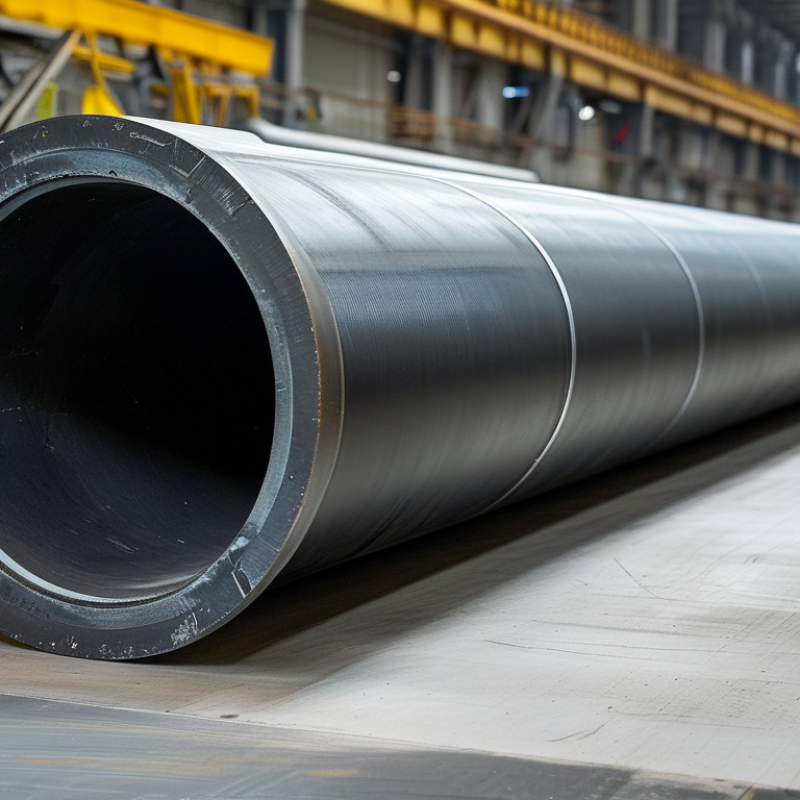
Carbon fiber pipes have gained traction in various industries due to their unique properties. Lightweight yet extremely strong, these pipes offer excellent performance in challenging environments. Their resistance to corrosion makes them ideal for industries like oil and gas, where traditional materials may fail. Interestingly, the manufacturing process of carbon fiber allows for flexibility in design, catering to specific application needs.
Another appealing factor is their thermal stability. Carbon fiber can withstand extreme temperatures without losing strength. This is crucial for applications in aerospace and automotive industries. However, not all users are familiar with the nuances of maintenance. Proper care is essential; neglect can lead to reduced lifespan. The installation process also requires careful consideration, as improper handling may result in structural weaknesses.
The cost of carbon fiber pipes often raises eyebrows. They may have higher upfront costs compared to conventional materials. This can deter buyers, even though the long-term benefits are substantial. Understanding the trade-offs in pricing and performance is key for potential users. With time, as technology advances, the accessibility of these pipes may improve, enabling wider adoption. This shift could alter market dynamics and further highlight the advantages of carbon fiber.
Top 10 Benefits of Carbon Fiber Pipe for Global Buyers
| Benefit | Description |
| Lightweight | Carbon fiber pipes are significantly lighter than metal options, reducing transportation costs and ease of installation. |
| High Strength | They offer excellent tensile strength, making them suitable for demanding structural applications. |
| Corrosion Resistance | Carbon fiber pipes are resistant to chemical corrosion, enhancing longevity in harsh environments. |
| Thermal Stability | They exhibit low thermal expansion, maintaining dimensions and structural integrity under temperature variations. |
| Impact Resistance | Carbon fiber pipes can withstand high impact loads, making them ideal for rugged applications. |
| Design Flexibility | Their unique manufacturing process allows for versatile design options tailored to specific needs. |
| Low Maintenance | They require minimal maintenance compared to traditional materials, reducing operational costs. |
| Electrical Conductivity | Specific formulations can be made conductive, which is beneficial in various industrial applications. |
| Aesthetic Appeal | Carbon fiber has a modern appearance, often preferred for high-end products and visual applications. |
| Sustainability | With advancing recycling methods, carbon fiber is becoming a more sustainable option in manufacturing. |
Key Advantages of Carbon Fiber Pipe in Various Industries
Carbon fiber pipes offer significant advantages across various industries. They are known for their high strength-to-weight ratio. This property allows manufacturers to produce lighter structures without compromising strength. In the aerospace sector, reduced weight directly translates to fuel efficiency. Industries focused on performance appreciate these characteristics.
Resistance to corrosion is another appealing feature. Carbon fiber pipes endure harsh environments better than traditional materials. This durability often leads to lower maintenance costs over time. For chemical processing facilities, this means longer-lasting infrastructure. The flexibility of design also allows for innovative applications, facilitating custom solutions for unique challenges.
However, cost remains a concern. Carbon fiber can be more expensive than alternatives like metals or plastics. Buyers often contemplate whether the benefits justify the initial investment. It’s crucial to analyze specific applications and potential savings. Evaluating long-term performance may ultimately make carbon fiber a more viable option.
Durability and Longevity: Why Carbon Fiber Outperforms Traditional Materials
Carbon fiber pipes are increasingly recognized for their unmatched durability and longevity. They can withstand harsh environmental conditions that often compromise traditional materials. For instance, unlike steel, carbon fiber resists corrosion effectively. This property makes it ideal for applications in chemical handling and marine environments. Users often report fewer maintenance issues over time, which leads to significant cost savings.
The lightweight nature of carbon fiber contributes to its longevity. It imposes less stress on supporting structures, reducing the likelihood of structural failures. Many industries benefit from this advantage, particularly aerospace and automotive sectors. However, it is essential to note that manufacturing carbon fiber pipes can be expensive and complex. Some users may find the initial cost prohibitive.
Those who choose carbon fiber must weigh these factors carefully. The initial investment is often balanced out by reduced replacement frequency. Still, the question of sustainability in production practices remains. Not all carbon fiber products meet environmental standards, prompting consumers to research their options thoroughly. The right choice requires diligence and an understanding of the material's lifecycle.
Weight Reduction and its Impact on Transportation Costs
The shift towards lightweight materials, such as carbon fiber, is transforming the transportation sector. Carbon fiber pipes significantly reduce weight, offering a remarkable advantage in logistics. A reduction in weight translates directly to lower transportation costs. Industry reports indicate that using carbon fiber can lead to weight savings of up to 60%. This reduction can decrease fuel consumption and emissions, ultimately benefiting bottom lines and the environment.
Consider that a typical shipping container loaded with carbon fiber pipes might weigh 100 kg less than one made with traditional materials. This decrease can reduce the cost per shipment. Additionally, lighter loads enhance vehicle efficiency, allowing for more cargo per trip. However, not all manufacturers optimize their operations to fully leverage these benefits. There is still inconsistency in the adoption of carbon fiber pipes across different regions and industries.
While carbon fiber pipes offer substantial savings, they come with challenges. Understanding production costs and market demand is crucial for businesses considering this transition. Transitioning to lighter materials requires careful planning and investment. Companies must weigh the benefits against the initial expense of switching to carbon fiber. Yet, the potential for improving operational efficiency remains a compelling incentive for global buyers.
Top 10 Benefits of Carbon Fiber Pipe for Global Buyers
This chart illustrates the key benefits of utilizing carbon fiber pipes, particularly focusing on weight reduction and its subsequent impact on transportation costs. The advantages highlighted are essential for global buyers seeking efficient and cost-effective material solutions.
Cost-Efficiency: Analyzing the Long-term Savings of Carbon Fiber Pipes
Carbon fiber pipes offer significant cost-efficiency for global buyers. These pipes are lightweight yet incredibly strong. They resist corrosion and require less maintenance. Over time, this leads to notable savings on repair or replacement costs. Many industries are already leveraging this advantage for long-lasting solutions.
When investing in carbon fiber pipes, conducting a thorough cost-benefit analysis is essential. You should consider both initial costs and long-term savings. This helps in understanding the true value of carbon fiber materials. It may require upfront investments, but the durability pays off. Think about future expenses as well.
Tip: Always compare the lifespan of materials when making decisions. Some pipes may seem cheaper initially but can escalate costs over time. Additionally, ensure you select suppliers with reputable experience in carbon fiber technology. Trustworthy suppliers can offer reliable support and guidance in material selection. They can help prevent costly mistakes and enhance overall project efficiency.





