Top 10 Benefits of 316 Stainless Steel Ball Valve Stem?
When selecting materials for industrial applications, the choice of valve components is critical. The 316 Stainless Steel Ball Valve Stem stands out for its durability and resistance to corrosion. According to industry reports, 316 stainless steel is widely preferred for environments exposed to harsh chemicals and high temperatures. This is due to its molybdenum content, which enhances its resistance to chlorides.
The benefits of using 316 stainless steel extend beyond corrosion resistance. This material offers high tensile strength, making it suitable for high-pressure applications. According to a study by the American Society of Mechanical Engineers, stainless steel valves can last significantly longer than their carbon steel counterparts, which can lead to reduced maintenance costs in the long run.
While the advantages are clear, challenges in manufacturing and cost need to be addressed. Some manufacturers may struggle with precision machining of 316 stainless steel, impacting the final product's reliability. Awareness of these issues is essential for engineers and decision-makers. Ultimately, the 316 Stainless Steel Ball Valve Stem represents a balance between durability and performance, making it a top choice for various industries.
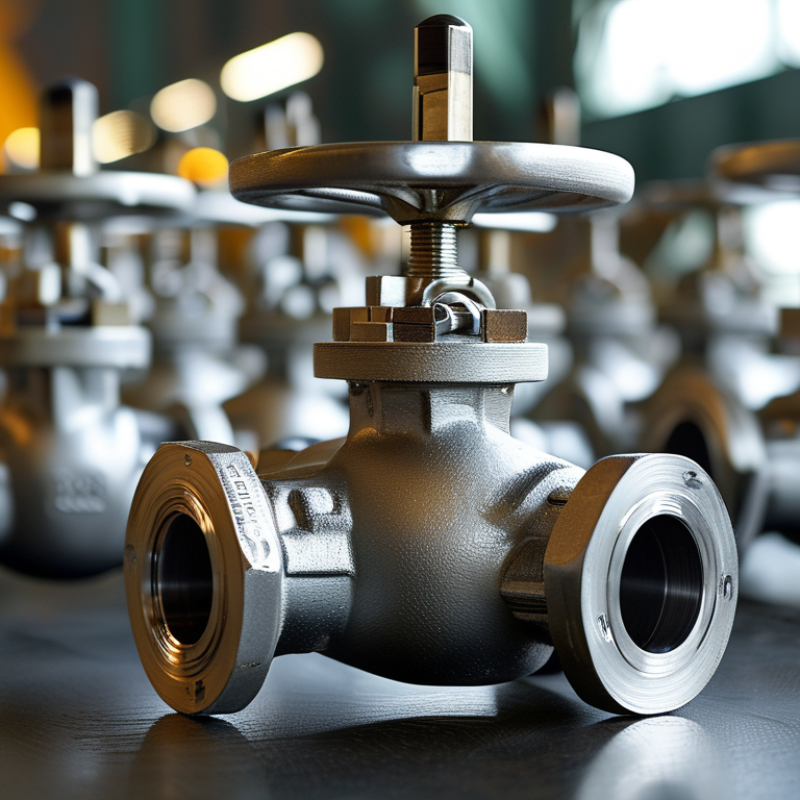
Benefits of Corrosion Resistance in 316 Stainless Steel Ball Valves
316 stainless steel is renowned for its exceptional corrosion resistance, making it ideal for ball valves. This material contains molybdenum, which enhances its ability to withstand harsh environments. In industrial settings, corrosion can lead to significant operational failures. Using 316 stainless steel reduces this risk, ensuring longevity and reliability in systems.
A critical benefit of using 316 stainless steel ball valves is their performance in extreme conditions. They perform well in both acidic and alkaline environments. This versatility is vital for industries like chemical processing and marine applications. However, improper maintenance can still lead to corrosion, even in 316 stainless steel. Regular inspections and proper cleaning are necessary to mitigate this risk.
Moreover, 316 stainless steel ball valves offer excellent temperature tolerance. They can function effectively in high and low temperatures. Yet, users must consider that temperature fluctuations may impact sealing. Understanding these limitations is essential for ensuring optimal performance. Balancing the benefits and potential pitfalls will lead to more effective use of these valves in various applications.
Importance of Durability and Strength in Valve Applications
Durability and strength are vital in valve applications, especially for ones made from 316 stainless steel. This material offers remarkable resistance to corrosion, making it ideal for harsh environments. According to the Corrosion Engineering Handbook, 316 stainless steel can sustain high temperatures and withstand aggressive chemicals. This durability ensures longevity in various applications, reducing replacement frequency and maintenance costs.
Moreover, the tensile strength of 316 stainless steel is noteworthy. It typically ranges around 70,000 psi, which allows it to handle high pressures effectively. In industries like oil and gas, where safety and reliability are paramount, this strength becomes crucial. A study by the American Society of Mechanical Engineers highlights that valve failures often occur due to inadequate materials. Utilizing strong materials like 316 stainless steel can prevent catastrophic failures.
However, even with these advantages, the selection of valve stems requires careful consideration. Factors such as temperature fluctuations and pressure changes can impact performance. Engineers must evaluate specific operating conditions to ensure optimal functionality. A mismatch in material and application can lead to significant setbacks. Therefore, understanding the environment and requirements is essential for selecting the right valve stem.
Top 10 Benefits of 316 Stainless Steel Ball Valve Stem
The chart above illustrates the top 10 benefits of 316 stainless steel ball valve stems, emphasizing their importance in various applications. Each benefit is rated on a scale of 1 to 10 based on its relevance and impact.
Advantages of High-Temperature Performance of 316 Stainless Steel
316 stainless steel ball valves are known for their durability and high-temperature performance. This makes them ideal for various industrial applications. They can endure extreme conditions without losing functionality. The ability to resist high temperatures allows them to be used in processes involving steam or elevated temperatures.
The alloy composition of 316 stainless steel provides exceptional resistance to corrosion. This is crucial in environments where harsh chemicals are present. Its strength at high temperatures enhances its reliability over time. Users can often overlook that the longevity of these valves can be affected by improper installation or maintenance.
Tips: Ensure regular inspections are conducted. Look for signs of wear or corrosion. This can help prevent sudden failures.
Another important aspect is the compatibility of the valve with other materials. When combined with the right sealing agents, the performance of 316 stainless steel valves can be maximized. However, it's essential to avoid using incompatible polymers or metals. This mismatch can lead to frequent issues and increased costs.
Ease of Maintenance and Operation with 316 Stainless Steel Ball Valves
316 stainless steel ball valves are renowned for their ease of maintenance and operation. The design allows for simple disassembly, making repairs quick and straightforward. This feature is vital in industrial settings where downtime can lead to significant losses. With fewer components than other valve types, they reduce the likelihood of malfunction.
Routine inspections are manageable due to the valve's corrosion resistance. The stainless steel material withstands harsh environments, prolonging the valve's lifespan. However, some users may overlook regular cleaning, potentially leading to buildup and reduced effectiveness. It's essential to strike a balance between maintenance and operation to ensure optimal performance.
User feedback highlights the simplicity of the handwheel operation. The smooth movement contributes to efficient workflow. Yet, some may find the initial setup challenging. Understanding the mechanism is crucial for seamless usage. Further training can enhance user comfort and confidence, making the most of 316 stainless steel ball valves.
Top 10 Benefits of 316 Stainless Steel Ball Valve Stem
| Benefit | Description |
| Corrosion Resistance | 316 stainless steel provides superior resistance to corrosion, enhancing longevity. |
| Durability | Built to withstand high pressure and temperatures, 316 stainless steel is highly durable. |
| Ease of Maintenance | Maintenance is simplified due to the material's resistance to oxidation and scale buildup. |
| Versatility | Suitable for various applications, including harsh environments, water, and gas services. |
| Low Friction | 316 stainless steel's smooth surface offers low friction operation, improving efficiency. |
| Temperature Resistance | Can withstand high-temperature applications without performance degradation. |
| Aesthetic Appeal | Polished finish of 316 stainless steel provides an attractive appearance. |
| Leak Prevention | Designed to provide a reliable seal, minimizing any potential leaks. |
| Regulatory Compliance | Meets industry standards and regulatory requirements, ensuring safe operation. |
| Cost-Effective | Long-term durability and low maintenance needs lead to cost savings over time. |
Cost-Effectiveness and Longevity of 316 Stainless Steel Valve Stems
Choosing 316 stainless steel for valve stems offers significant cost-effectiveness and longevity. The material's resistance to corrosion and wear makes it ideal for various environments. Over time, this durability reduces the need for replacements, saving money in the long run. The initial investment may be higher, but the extended lifespan justifies the cost. Operators often appreciate the reliability of 316 stainless steel in high-pressure applications.
When selecting valve stems, consider the operating conditions. High temperatures and aggressive media can accelerate wear on inferior materials. 316 stainless steel maintains performance under these challenges. This reliability minimizes downtime and enhances overall system efficiency.
Tips: Regular maintenance can further extend the life of your valve stems. Inspect seals and connections frequently for any signs of wear. Proper installation is crucial; avoid over-tightening, which can lead to damage. Investing in quality materials today can yield significant savings tomorrow.





