What is a Belt Tester and How Does it Work?
A Belt Tester is an essential tool in various industries, especially in manufacturing and logistics. It ensures the efficiency and durability of conveyor belts, which play a vital role in material transport. According to a recent report by the Conveyor Equipment Manufacturers Association (CEMA), over 50% of operational downtime is linked to conveyor issues. A reliable Belt Tester can identify wear and potential failures before they lead to significant disruptions.
The working principle of a Belt Tester involves measuring key parameters like tension, alignment, and tracking. These metrics help in evaluating the condition of the conveyor system. The effectiveness of maintenance strategies depends heavily on accurate data from Belt Testers. A study by the International Conveying Association highlighted that regular testing can extend the lifespan of belts by up to 30%.
Despite the benefits, some organizations overlook the importance of this testing. They might underestimate the potential savings from avoided downtimes and repairs. This can lead to unnecessary costs and operational setbacks. Therefore, understanding the significance of a Belt Tester is crucial for optimizing performance and reliability in material handling processes.
What is a Belt Tester?
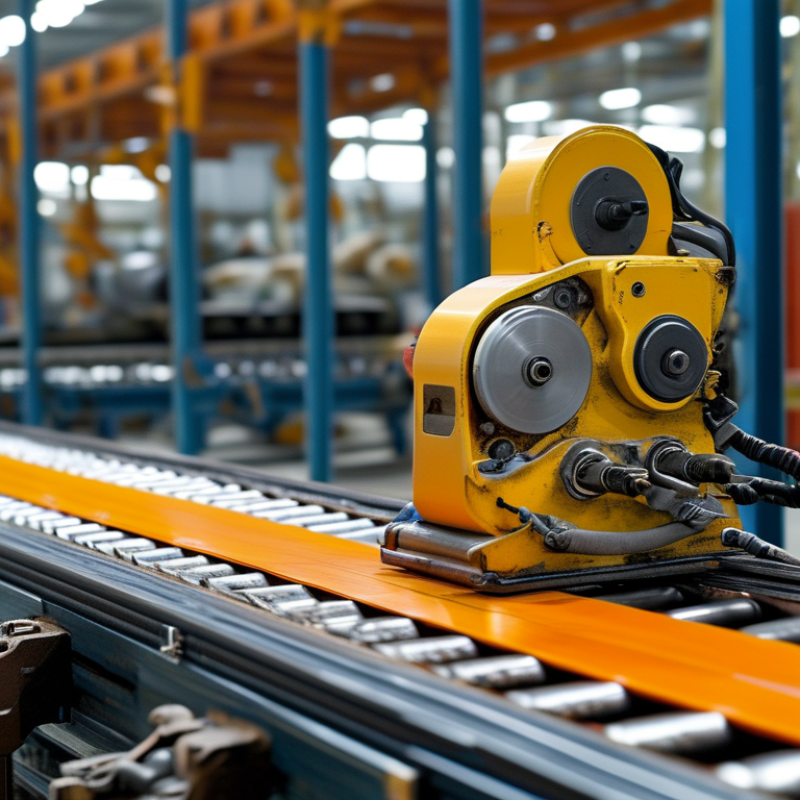
A belt tester is a specialized device designed to evaluate the performance and integrity of belts used in various industrial applications. These testers measure the belt's tension, alignment, and wear, providing crucial data for maintenance. According to a 2022 report by the Conveyor Equipment Manufacturers Association (CEMA), regular belt testing can extend the life of belts by up to 30%.
Effective belt testing relies on accurate data collection. For instance, a belt tester can identify minor misalignments that could lead to significant issues. Poorly aligned belts account for around 50% of premature belt failures, as indicated by industry studies. Through consistent testing, companies can reduce unexpected downtime and optimize operational efficiency.
While the technology is effective, there are challenges. Not all establishments invest in regular testing. In fact, approximately 40% of industries overlook routine maintenance. This neglect can result in increased operational costs and safety hazards. Regularly using a belt tester helps mitigate these risks, ensuring that belts perform as intended.
The Importance of Belt Testing in Industrial Applications
Belt testing plays a critical role in industrial applications. In many manufacturing settings, belts are essential for transporting materials. A reliable belt ensures efficiency and safety in operations. When belts wear out or fail, the consequences can be severe.
Employing a belt tester is key to maintaining equipment integrity. These devices check for wear, tension, and alignment. Operators can identify potential issues before they cause downtime. Regular testing helps avoid unexpected failures. The cost of maintenance is much lower than the expense of a breakdown.
It is essential to document testing results consistently. This data supports informed decisions about replacement and repairs. Companies may struggle to establish a testing routine. Understanding the specific needs of your equipment is vital. Not all belts are created equal. Regular assessments can indicate whether upgrades or different materials are necessary.
Key Components of a Belt Tester
A belt tester is a crucial tool in the field of conveyor systems. Understanding its key components can enhance efficiency and safety in various industrial settings. Key components include the load cell, speed sensor, and control unit. The load cell measures the tension in the belt, providing vital data on operational conditions. Accurate measurements are essential. According to a 2022 industry report, improper tension can lead to a 25% increase in wear and tear on the conveyor system.
The speed sensor tracks the belt's velocity. This data helps in calibrating the system for optimal performance. Studies indicate that a 10% variance in speed can impact productivity by up to 15%, stressing the need for reliable speed data. Control units process inputs from both the load cell and speed sensor. They ensure real-time adjustments are made to maintain operational integrity.
Incorporating advanced technology can yield mixed results. While modern sensors improve accuracy, they require regular calibration. A report from an industry consultancy highlighted that 30% of users neglect routine maintenance. This poses significant risks to operational efficiency. Therefore, organizations must prioritize both technology upgrades and maintenance practices for an effective belt testing process.
How Belt Testers Measure Performance and Durability
Belt testers are essential tools in evaluating the performance and durability of conveyor belts. They measure key parameters such as tensile strength and elongation. According to a recent industry report by the International Rubber Study Group, tensile strength is critical for ensuring that belts can handle heavy loads without failure. Testing reveals that belts with higher tensile strength can reduce downtime by up to 30%.
Durability tests are equally important. The wear and tear of a belt can significantly impact production efficiency. A study published by the Conveyor Equipment Manufacturers Association noted that poorly performing belts can result in energy losses of up to 15%. Belt testers assess material fatigue and resistance to abrasives, offering insights into a belt's lifespan. This information helps manufacturers select the best materials for their specific applications.
However, the testing process is not flawless. Many factors can influence test outcomes. For example, environmental conditions, such as humidity and temperature, can skew results. Belt design variations also contribute to inconsistencies. Therefore, reliance on test data must be combined with real-world experience to ensure comprehensive belt performance evaluation. Understanding these nuances is vital for manufacturers aiming for improved quality and reliability in their products.
Belt Tester Performance Comparison
Common Types of Belt Testers and Their Functions
When discussing belt testers, it’s essential to understand the common types available today. Each type has unique functions that cater to specific needs. One prevalent type is the tensile strength tester. This device evaluates the belt's resistance to stretching. Operators use it to ensure that the belt can withstand the forces it will encounter in real-world applications.
Another crucial belt tester is the abrasion tester. This device simulates wear and tear on the surface of the belt. By measuring how much material is lost through use, users gain insights into a belt's longevity. It is critical for manufacturers to choose belts with appropriate abrasion resistance for their specific environments.
There are also flame retardant testers. These evaluate how well belts resist ignition. Safety is paramount in many industries, and these testers help ensure compliance with safety regulations. However, the inconsistency in the testing conditions can lead to varied results. Testing procedures need constant refinement to maintain reliability. Each type of tester provides valuable data, but interpreting results can sometimes be challenging.





