What is Belt Dryers For Biomass Benefits and Applications?
Belt Dryers For Biomass play a crucial role in the modern energy landscape. These dryers are designed to remove moisture from biomass materials efficiently. This moisture removal is vital for enhancing the energy content of biomass, making it a viable alternative to fossil fuels.
The applications of belt dryers for biomass are diverse. They are used in industries such as agriculture, food processing, and renewable energy. By optimizing biomass drying, companies can improve their production processes and reduce environmental impacts. It is essential to consider that while belt dryers offer numerous benefits, their implementation requires careful planning and investment.
As with any technology, there are challenges and limitations. The efficiency of belt dryers can vary based on the type of biomass being processed. Not all biomass materials dry equally well. Therefore, understanding the specific needs of each application is essential. Evaluating these factors helps improve reliability and effectiveness in biomass processing.
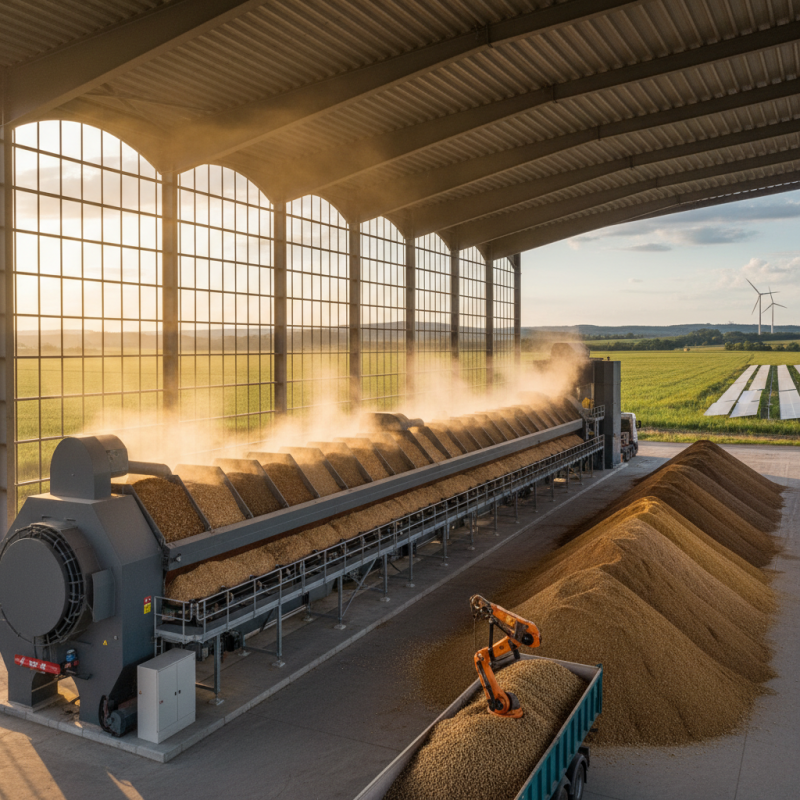
Definition and Functionality of Belt Dryers for Biomass
Belt dryers for biomass are increasingly recognized for their efficiency in moisture removal. They utilize a continuous moving belt, allowing for the uniform drying of various biomass materials. Data from the Biomass Thermal Energy Council indicates that these dryers can reduce moisture content to as low as 10%, essential for storage and further processing.
The functionality of belt dryers is straightforward yet effective. Biomass is spread across a conveyor belt, where hot air passes through it. This mechanism enhances heat and mass transfer. A report from the International Energy Agency highlights that belt dryers have an energy efficiency rate exceeding 80%. This is crucial for industries seeking sustainable practices while maintaining cost-effectiveness.
Tip: When considering belt dryers, examine the energy source. Some options are more sustainable than others, impacting your overall carbon footprint.
It is worth noting that not all materials dry equally well in belt dryers. Variations in particle size and moisture levels can affect drying efficiency. A careful assessment of the biomass type is vital. The optimal airflow and temperature settings must be tailored to specific materials to achieve desirable results.
Tip: Always conduct a preliminary test with your biomass samples. This helps in determining the best operational parameters for your dryer.
Key Benefits of Using Belt Dryers in Biomass Processing
Belt dryers play a crucial role in biomass processing. They offer efficient moisture removal, which is essential for preserving biomass quality. By utilizing a continuous drying method, these systems maintain a consistent drying atmosphere. This helps in avoiding damage to the delicate structure of biomass materials.
Among the key benefits of belt dryers is their energy efficiency. These systems are designed to minimize energy consumption while maximizing drying capacity. Additionally, the even airflow across the drying belt promotes uniform drying, reducing the risk of over-drying. This makes the process more reliable and predictable, though it's essential to monitor drying times closely.
Belt dryers are versatile in their applications. They can process a wide variety of biomass products, from wood chips to agricultural residues. However, integrating these systems requires careful consideration of feedstock characteristics. Each type of biomass may have different drying requirements. It's beneficial to adjust the dryer settings accordingly to ensure optimal performance.
Industrial Applications of Belt Dryers in the Biomass Sector
Belt dryers serve a crucial role in the biomass sector, promoting efficiency in handling various organic materials. These systems utilize a continuous belt to transport biomass through a drying zone, improving moisture removal. This process is essential for converting wet biomass into usable forms, such as pellets or briquettes. A well-designed belt dryer can significantly enhance product quality by ensuring uniform drying.
In industrial applications, belt dryers are particularly effective for drying wood chips, sawdust, and agricultural residues. Their design allows for flexibility in processing different biomass types effortlessly. The temperature can be adjusted to suit specific materials, ensuring optimal moisture content is achieved. This adaptability can lead to lower energy consumption compared to traditional drying methods, which often require higher temperatures or longer processing times.
However, challenges like varying material characteristics can affect drying efficiency. Monitoring moisture levels closely is vital. Insufficient drying may lead to spoilage or reduced energy content in biomass fuels. Moreover, maintenance of the drying system is critical to ensure reliability and continuous operation. Addressing these aspects requires ongoing evaluation and adjustment, proving that even efficient systems need vigilant oversight.
What is Belt Dryers For Biomass Benefits and Applications? - Industrial Applications of Belt Dryers in the Biomass Sector
| Benefit/Feature | Description | Application Area |
| Improved Drying Efficiency | Belt dryers provide uniform heat distribution for efficient water removal. | Wood Pellets Production |
| Energy Saving | Lower energy consumption compared to traditional drying methods. | Biomass Energy Plants |
| Scalability | Modular design allows for easy scaling to meet production needs. | Large-Scale Biomass Operations |
| Versatility | Suitable for various feedstocks including wood chips, agricultural residues, and more. | Diverse Biomass Processing Facilities |
| Reduced Emissions | Lower greenhouse gas emissions compared to other drying technologies. | Sustainable Biomass Processing |
Comparison of Belt Dryers with Other Drying Technologies
When comparing belt dryers with other drying technologies, key differences emerge. Belt dryers utilize a continuous process to dry biomass efficiently. They offer a gentle drying method, reducing the risk of damaging delicate biomass structures. Their design allows for better control over temperature and airflow, which is crucial for preserving quality.
In contrast, other drying systems like rotary dryers often use higher temperatures and may cause significant thermal stress. These systems may also have higher energy consumptions and longer processing times. While rotary dryers are widely used, they might not suit all types of biomass. Some biomass materials require specific drying conditions to maintain their nutritional properties.
Belt dryers, however, can handle a range of moisture content effectively. They are particularly beneficial for materials like wood chips or agricultural residues. The potential for achieving consistent product quality is high. This advantage comes with considerations about initial setup costs and space requirements. Assessing the right technology demands careful evaluation of specific needs and biomass types. The balance between efficiency and investment remains a challenging discussion.
Comparison of Belt Dryers with Other Drying Technologies
This chart presents a comparison of energy efficiency among different drying technologies applicable for biomass. The Belt Dryer stands out with a notable energy efficiency of 80%, making it a preferred choice for biomass drying applications.
Future Trends and Innovations in Belt Dryer Technology for Biomass
Belt dryers are gaining traction in the biomass sector due to their efficiency and versatility. These systems utilize a continuous conveyor belt to dry various biomass materials, including wood chips and agricultural residues. This technology allows for a controlled drying environment, which can maximize energy efficiency. Innovations are emerging to optimize heat recovery, minimizing energy consumption and lowering operational costs.
As the demand for biomass energy grows, belt dryer technology is evolving. New designs integrate smart sensors that monitor moisture levels in real time. This feature enhances drying accuracy and reduces the risk of over-drying. Companies are exploring hybrid models that combine belt and drum drying methods, aiming to achieve higher throughput. However, these advancements often come with increased complexity and maintenance challenges.
The future might also see advancements in materials used for construction. Lightweight but durable composites could enhance the lifespan and performance of belt dryers. Yet, the transition to advanced materials requires careful consideration of environmental impacts. Achieving sustainability in both production and operation remains a topic for continuous improvement.





