What is Angular Miter Gears and How to Use Them?
angular miter gears are essential components in various mechanical systems. Their unique design allows for efficient power transmission at specific angles. According to a recent report by Market Research Future, the global gear market is projected to reach $256 billion by 2027, with angular miter gears playing a crucial role in automotive and industrial applications.
In many applications, optimizing space and performance is vital. Angular miter gears help achieve these goals by allowing for compact designs. For instance, a study by McKinsey & Company highlighted that the use of angular gears can improve system efficiency by up to 15%. Yet, while they offer advantages, the complexity of installation and the precision required during setup can pose challenges. Users must address these intricacies to ensure reliability.
Additionally, advancements in materials and manufacturing processes continue to evolve. New composite materials provide enhanced durability and lightweight characteristics. However, understanding the limitations of different materials is crucial. As industries adopt these innovations, a comprehensive grasp of angular miter gears becomes increasingly important for engineers and designers alike.
What Are Angular Miter Gears?
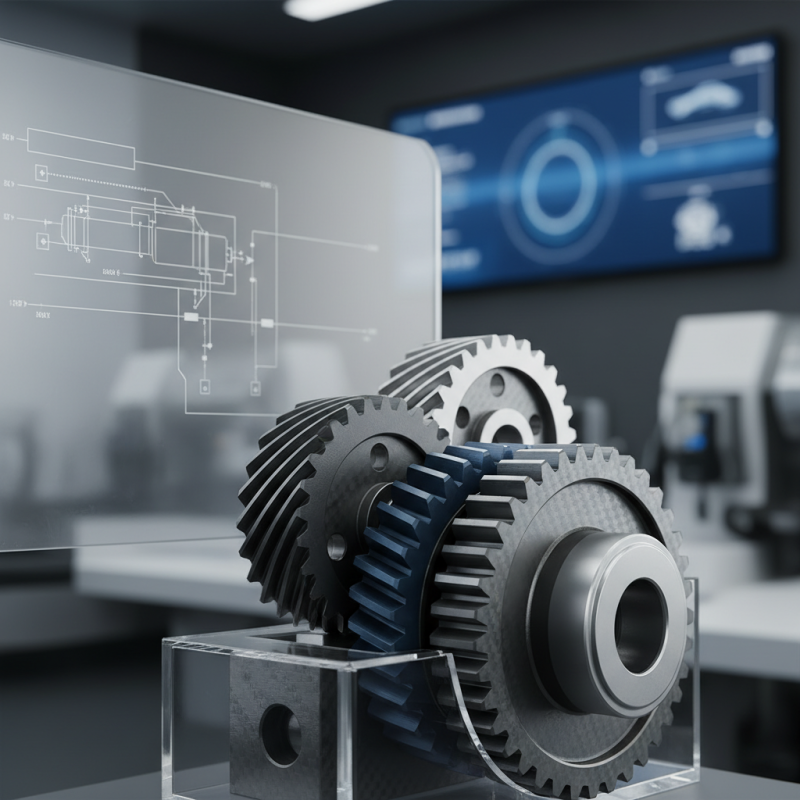
Angular miter gears are crucial components in mechanical systems. They allow for the transmission of rotational motion at an angle, typically 90 degrees. These gears consist of two gears with tapered teeth, which mesh at an angle. Their design facilitates smooth operation while minimizing wear and tear. According to industry reports, the global gear market is projected to reach over $300 billion by 2026, highlighting the significant role of gears like miter gears.
Understanding the application of angular miter gears is vital in various industries. They are widely used in automotive, aerospace, and industrial machinery. The precision of these gears directly impacts the efficiency of machines. For example, a misalignment can lead to increased friction and heat. A study by the American Gear Manufacturers Association noted that improper gear alignment costs industries billions annually. Ensuring proper installation and maintenance of miter gears is essential.
Users often encounter challenges when selecting the right angular miter gears. Factors such as load capacity, material choice, and operational environment must be considered. Many professionals underestimate the influence of environmental conditions on gear performance. Research indicates that nearly 30% of gear failures stem from inadequate environmental protection. This highlights the need for thoughtful design and ongoing evaluation in gear systems.
Usage Statistics of Angular Miter Gears
The Basic Principles of Angular Miter Gears
Angular miter gears are essential components in various mechanical systems. They enable precise direction changes in shaft rotation. Typically, they connect shafts at a 90-degree angle, making them vital in compact spaces. The gears have teeth that engage at an angle, allowing for smooth operation and torque transmission.
Understanding how to use these gears requires a grasp of their design and functionality. Each miter gear consists of two gears, often with identical diameters. The tooth angles create a smooth meshing effect. When correctly aligned, they minimize wear and enhance lifespan. Improper alignment leads to increased friction and early failures. This highlights the need for detailed setup and testing.
Precision in installation cannot be overstated. Misalignment, even slight, can result in operational inefficiencies. It's crucial to measure the setup accurately. Performance can degrade if the configuration is not optimal. Regular maintenance checks ensure that wear is accounted for, helping maintain functionality. Remember, every detail matters in creating an effective and reliable system with angular miter gears.
Applications of Angular Miter Gears in Industry
Angular miter gears are essential components in many industries. Their unique ability to transmit power between shafts at various angles makes them ideal for compact and complex setups. These gears provide efficient motion transfer while minimizing backlashes. This feature makes them valuable in machine tools and automotive systems.
In the manufacturing field, angular miter gears are often used in robotic arms. They help to enhance precision and flexibility. These gears can also be found in conveyor systems, where they aid in directing the flow of materials. Their angular design allows for space-saving configurations. However, some engineers report challenges with alignment during installation, leading to inefficiencies.
Another application is in the aerospace sector. Angular miter gears are crucial for controlling flight mechanisms. They enable precise movements in space-constrained areas. Yet, the complexity of installations can lead to potential maintenance issues. Industry professionals need to carefully consider these factors when designing systems for optimal performance.
How to Select the Right Angular Miter Gears for Your Project
Selecting the right angular miter gears for your project is crucial. These gears are vital for transferring motion between shafts that are not aligned. When choosing, consider the gear ratio you need. A high ratio can provide more torque, but control may be challenging.
Material selection is another key factor. Common materials include plastic and metal. Metal options offer durability. However, they can be heavier and more expensive. Think about the environment where the gears will operate. Harsh conditions may require special coatings.
Don’t overlook the size of the gears. They must fit within your design constraints. Measure your space carefully. Sometimes, prototypes can help identify unforeseen issues. Testing different configurations can reveal the best setup. It's often beneficial to seek advice from an expert to avoid costly mistakes.
Installation and Maintenance Tips for Angular Miter Gears
When it comes to installing angular miter gears, precision is key. Start by ensuring the shafts are aligned correctly. Misalignment can lead to excessive wear and decreased efficiency. Use a dial indicator to check alignment, making adjustments as necessary. This initial step can save time and resources later on.
Regular maintenance is crucial for the longevity of these gears. Keep the gear surfaces clean and free from debris. Inspect the lubrication regularly; it should not be contaminated. If the lubricant is thick or dirty, replace it immediately. This simple task can prevent overheating and damage to the gear teeth.
Despite following these tips, issues may still arise. Wear and tear are inevitable. If you notice unusual noise or vibration during operation, investigate immediately. Delaying can result in a complete failure. Regular checks and a proactive approach lead to better performance and fewer unexpected breakdowns.





