What is an Aluminum Lock and How Does it Work?
An Aluminum Lock is a security device made primarily from aluminum. Its lightweight nature makes it ideal for various applications. Unlike traditional locks, aluminum locks are often resistant to rust and corrosion. This quality enhances their durability, making them suitable for both indoor and outdoor use.
Understanding how an aluminum lock operates can help in selecting secure options for your needs. These locks utilize a simple mechanism that combines a key or combination system with a robust locking cylinder. The design maximizes security while minimizing complexity. However, the effectiveness of an aluminum lock can vary based on the quality of materials and manufacturing techniques.
Despite their advantages, it’s essential to acknowledge limitations. Some aluminum locks might not offer the same level of security as heavier metal options. They may be vulnerable to specific forms of manipulation or force. Hence, weighing these factors carefully is crucial when choosing a security solution. With proper consideration, an aluminum lock can provide reliable security without compromising on weight and convenience.
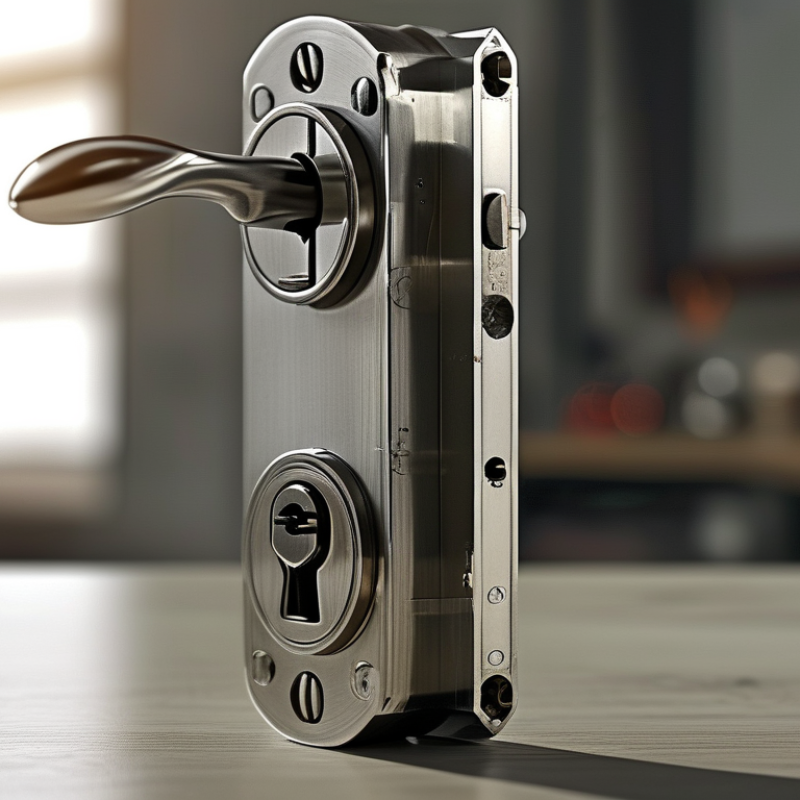
Understanding Aluminum Locks: Definition and Purpose
Aluminum locks have emerged as a popular choice for various locking applications due to their lightweight and corrosion-resistant properties. These locks are typically made from high-grade aluminum alloy, ensuring durability while remaining easy to handle. According to a 2021 report by the Security Industry Association, aluminum locks account for over 15% of the global locking device market, thanks to their effective security features.
Understanding aluminum locks involves recognizing their purpose beyond just entry prevention. They offer convenience and security for residential and commercial applications. Many locksmiths advocate for their use in environments prone to corrosion, such as coastal areas or places with high humidity. The design of these locks often incorporates advanced key mechanisms, enhancing security levels compared to traditional locks.
Considerations for choosing an aluminum lock include the type of environment and the level of security required. An aluminum lock may not be the best option if you're in a high-crime area. Regular maintenance is crucial for ensuring optimal performance. Over time, locks may experience wear and require oiling or adjustment. Being mindful of the specific needs for your property can lead to better long-term satisfaction with security solutions.
The Composition of Aluminum Locks: Materials and Design Features
Aluminum locks are known for their lightweight and durable nature. The composition of aluminum locks involves a blend of aluminum alloys, typically including magnesium and silicon. These elements enhance strength and resistance to corrosion. The design features of aluminum locks include precision-engineered components, creating a reliable locking mechanism. The sleek finish of aluminum adds aesthetic value while ensuring functionality.
These locks often come with a protective coating. This coating prevents scratches and further enhances durability. However, the lightweight nature of aluminum can sometimes lead to wear over time. Users might notice that while these locks are resistant to rust, they are not entirely impervious to impact damage. Regular inspection can help catch any potential issues early on.
One design aspect that stands out is the integration of advanced locking technologies. Some aluminum locks utilize tumbler mechanisms for added security. Despite their advantages, users should be aware that improper usage can lead to failure. Ensuring proper installation and regular maintenance is key to prolonging their lifespan. Aluminum locks offer a blend of utility and style, making them a popular choice across various applications.
How Aluminum Locks Function: Mechanisms and Operation
Aluminum locks are fascinating devices that blend simplicity and strength. Their construction typically employs lightweight aluminum, providing both durability and resistance to corrosion. This type of lock is often preferred for outdoor applications. The mechanisms within an aluminum lock can vary, but many utilize a pin tumbler system or a combination of levers and pins to secure the locking mechanism.
When it comes to operation, the user inserts a key or enters a code. This action moves internal components, aligning them in a way that allows the lock to open. The design ensures that only the correct key or code achieves this alignment. However, certain challenges arise, such as the risk of wear over time. Continuous use may lead to sticking or difficulty in operation, requiring maintenance or replacement.
The precision of aluminum locks plays a significant role in their effectiveness. A slight misalignment or debris can compromise functionality. Users may need to regularly check for dirt build-up or rust, even though aluminum is resistant to corrosion. Thus, while these locks are reliable, they are not infallible. Proper care and attention can extend their longevity.
Aluminum Lock Mechanisms: Function and Durability
Advantages of Using Aluminum Locks in Security Solutions
Aluminum locks are gaining popularity in various security applications. Their lightweight nature makes them appealing for both residential and commercial use. These locks are not only practical but also provide a sophisticated level of security. The corrosion-resistant properties of aluminum enhance their longevity. This means they can withstand the elements without significant wear or tear.
One of the main advantages of aluminum locks is their strength. Despite being lightweight, aluminum can resist forced entry. The design often includes features like reinforced cores and anti-drill plates. This deterrent effect can prevent unauthorized access effectively. Additionally, their aesthetic appeal can blend seamlessly with modern architecture.
Another key benefit is their ease of installation. Aluminum locks typically require fewer tools and less time to fit. However, some users might find that the quick installation can lead to improperly secured mechanisms. Regular checks are essential to ensure that these locks are functioning optimally. Balancing convenience with security is crucial in creating an effective locking solution.
Applications of Aluminum Locks in Everyday Life and Industries
Aluminum locks are increasingly popular due to their lightweight yet durable characteristics. These locks are commonly used in various applications, from residential to industrial settings. In households, aluminum locks offer security for doors and windows, maintaining their integrity against harsh weather. A recent industry report notes that over 40% of new residential constructions are incorporating aluminum locks for enhanced safety and aesthetic appeal.
In industrial applications, aluminum locks are essential for securing equipment and machinery. Their resistance to corrosion makes them ideal for outdoor environments. The construction and transportation sectors have reported a 30% increase in demand for these locks. This is driven by their reliability in critical applications, where securing assets is paramount. However, there are concerns about their vulnerability to certain types of unauthorized access. Manufacturers continuously work on improving the design and function, ensuring these locks meet evolving security needs.
Overall, aluminum locks play a significant role across various industries. However, their performance can vary based on quality and design. It's vital for end-users to weigh the pros and cons carefully, considering both security and practicality.





