Top Aluminium Conveyors Solutions for Global Buyers?
In the evolving landscape of modern manufacturing, Aluminium Conveyors have emerged as a vital component in enhancing efficiency and productivity. Industry expert Dr. Emily Chen, a renowned specialist in automation, once stated, “The right conveyor solution can transform your operational workflow completely.” This highlights the significant role that Aluminium Conveyors play in various sectors.
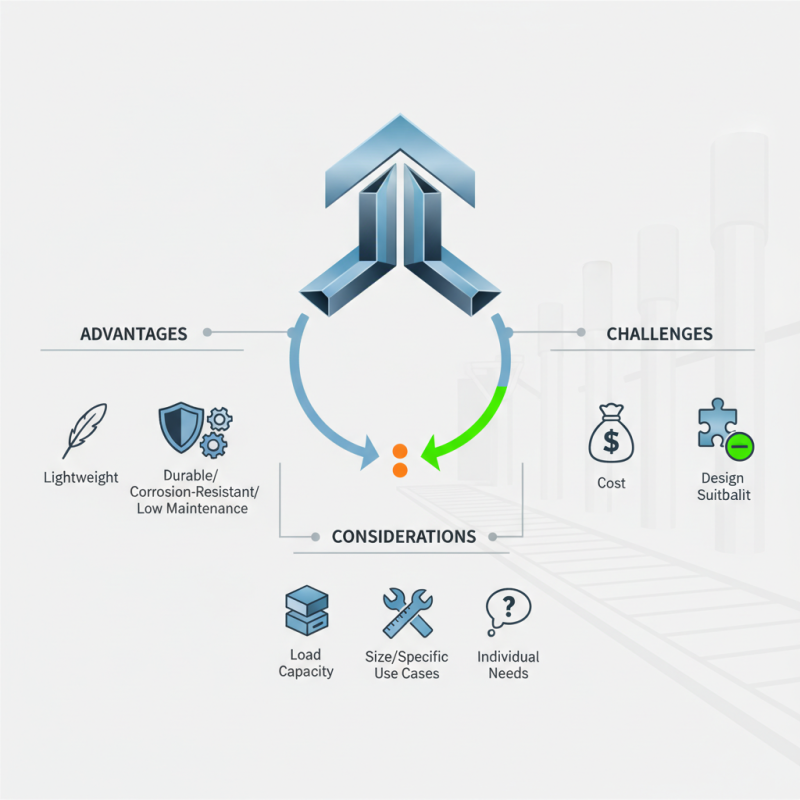
Aluminium Conveyors are lightweight, durable, and resistant to corrosion, making them ideal for diverse applications. They facilitate seamless movement of materials while ensuring minimal maintenance requirements. However, choosing the right solution can be daunting. Factors like load capacity, size, and specific use cases must be considered for optimal performance.
While Aluminium Conveyors offer numerous advantages, they also present challenges. Cost can be a primary concern, and not all designs are suitable for every operation. It’s essential to reflect on individual needs before making a decision. A thoughtful approach will ensure that investments lead to improved productivity and cost-effectiveness in the long run.
Top Aluminium Conveyors: Key Features and Advantages for Buyers
When exploring aluminium conveyor solutions, understanding key features and advantages is essential for buyers. Aluminium conveyors are known for their lightweight structure, making them easy to handle and install. Their versatility allows them to be customized for various industries, from manufacturing to packaging. This adaptability is a major advantage, as companies can tailor systems to meet specific workflow needs.
One important feature is corrosion resistance. Unlike steel, aluminium doesn't rust, even in humid environments. This prolongs the lifespan of conveyors and reduces maintenance costs. Additionally, aluminium's recyclability makes it an eco-friendly choice, appealing to sustainability-minded businesses.
When selecting an aluminium conveyor, consider your specific requirements. Think about the weight of products being transported. Ensure the conveyor can handle the load. Regulating speed is also crucial. Different applications may require different speeds, affecting efficiency.
Remember, investing in a good conveyor system can enhance productivity. Not all systems will fit perfectly. Reflect on what works best for your unique setup. Research thoroughly and consult with industry experts to make the most informed decision.
Market Trends in Aluminium Conveyor Solutions: Growth and Demand Analysis
The aluminium conveyor solutions market has been witnessing notable growth recently. According to a market research report, the demand for aluminium conveyors is projected to increase by 7% annually over the next five years. This growth is driven by the rise in manufacturing activities and advancements in automation. Industries are adopting aluminium conveyors due to their lightweight nature and superior resistance to corrosion.
The automotive and food processing sectors are particularly leading this surge. In 2022, the food processing industry accounted for about 40% of the aluminium conveyor market share. However, challenges remain. Many companies find it difficult to balance cost and efficiency while ensuring sustainable sourcing of materials. Some manufacturers report that despite the demand, maintaining quality during scaling up production is a concern.
Furthermore, technological advancements are shaping market dynamics. Automation technology integration is pivotal for reducing operational costs. Nevertheless, some smaller companies struggle to invest in new technologies, creating a gap in the market. This inconsistency in technological adoption could lead to uneven growth across different regions. Addressing these challenges is crucial for maximizing the potential of aluminium conveyor systems in various industries.
Market Trends in Aluminium Conveyor Solutions: Growth and Demand Analysis
This bar chart illustrates the projected growth of aluminium conveyor solutions over the next five years, highlighting the increasing demand across various industries.
Leading Manufacturers in Aluminium Conveyors: A Comparative Review
When exploring aluminium conveyor solutions, buyers face various options. This makes it crucial to understand leading manufacturers. Each provides unique features and advantages. Reviewing them helps identify what best fits your needs.
Manufacturers often emphasize customization in their conveyor systems. This flexibility allows for adaptations in different industries. Some focus on lightweight designs, while others prioritize durability. Flexibility in manufacturing processes can lead to critical improvements. Buyers may find it challenging to balance small size with high load capacity.
Technical support and service levels vary widely among manufacturers. Some offer extensive post-purchase assistance, while others have limited customer service. Regular feedback from users reveals that reliability issues can arise. Understanding these challenges is essential for making informed decisions. Engaging in detailed discussions with manufacturers can provide deeper insights into their offerings. This exploration can significantly influence purchasing decisions in the aluminium conveyor market.
Cost-Efficiency and ROI of Aluminium Conveyors in Various Industries
Aluminium conveyors have gained traction across various industries due to their cost-efficiency and impressive return on investment (ROI). A key advantage of these conveyors is their lightweight nature, which reduces energy costs. According to a market analysis by the Research Institute of Packaging, energy savings can be as high as 20% when switching from steel to aluminium. This is crucial for businesses seeking to enhance operational efficiency.
Another compelling factor is the payback period associated with aluminium conveyors. Industry reports indicate that companies can expect an ROI within two to three years. This timeline can vary based on application and scale. In manufacturing, for example, automation with aluminium systems has led to a 30% increase in throughput. However, maintenance costs can also rise if the initial installation is not well-planned.
There are challenges as well. The initial investment may be higher than traditional materials. Firms must evaluate long-term benefits against short-term expenditures. While many organizations report decreased downtime, not all experience the same results. Thus, sector-specific analysis is essential to determine the true ROI before adopting aluminium conveyor systems. Diversifying applications will provide better insights into overall efficiency and productivity improvements.
Sustainability in Aluminium Conveyors: Environmental Impact and Innovations
Sustainability in aluminium conveyors is an emerging priority for industries globally. Aluminium is lightweight, durable, and recyclable. However, its production leaves a significant carbon footprint. According to a study by the International Aluminium Institute, the production of primary aluminium generates 12 tons of CO2 per ton of metal. This environmental impact leads to a pressing need for innovative, sustainable solutions.
New technologies are transforming aluminium conveyor systems. Advanced designs reduce material usage while maintaining efficiency. For example, light-weight conveyors can lower energy consumption during operation. In recent years, companies have reported a 30% reduction in energy costs by optimizing their aluminium handling systems. However, issues such as end-of-life recycling remain complex. Not all regions have access to recycling facilities, leading to waste.
Sustainable practices go beyond just energy efficiency. Some companies are exploring the use of renewable energy sources in aluminium production. They aim to minimize emissions further. Nevertheless, the transition is slow. Many manufacturers still depend on fossil fuels. Data indicates that less than 25% of global aluminium production currently utilizes renewable energy. There is potential for improvement, but challenges persist.
Top Aluminium Conveyors Solutions for Global Buyers - Sustainability in Aluminium Conveyors: Environmental Impact and Innovations
| Solution Type | Material Efficiency (%) | Energy Consumption (kWh/t) | CO2 Emissions (kg/t) | Recyclability (%) | Innovative Feature |
| Modular Conveyor | 85 | 120 | 30 | 95 | Smart Control System |
| Belt Conveyor | 78 | 150 | 40 | 90 | Energy Recovery System |
| Overhead Conveyor | 82 | 135 | 35 | 92 | Lightweight Design |
| Chain Conveyor | 80 | 160 | 50 | 88 | Low Friction Coating |





