What is an Air Circuit Breaker and How Does It Work?
In the realm of electrical engineering, understanding the function and significance of an Air Circuit Breaker (ACB) is essential. According to Dr. Amelia Wright, a leading expert in power distribution systems, "Air Circuit Breakers play a critical role in ensuring safety in electrical networks." This technology is pivotal in protecting electrical circuits from overloads and short circuits.
An Air Circuit Breaker uses air as the medium for arc extinction, effectively interrupting current flow during faults. This method is not only efficient but also ensures rapid response times. Many industries rely on ACBs to maintain operational continuity and protect valuable equipment. Yet, misconceptions often arise regarding their maintenance and reliability, reminding us that even the most robust systems can fail without proper care.
When considering ACBs, it's essential to grasp their operational mechanics and limitations. Users should recognize that while ACBs offer numerous advantages, they also require diligent monitoring. Regular testing and maintenance can lead to improved performance and longevity. Embracing this technology comes with responsibilities that cannot be overlooked.
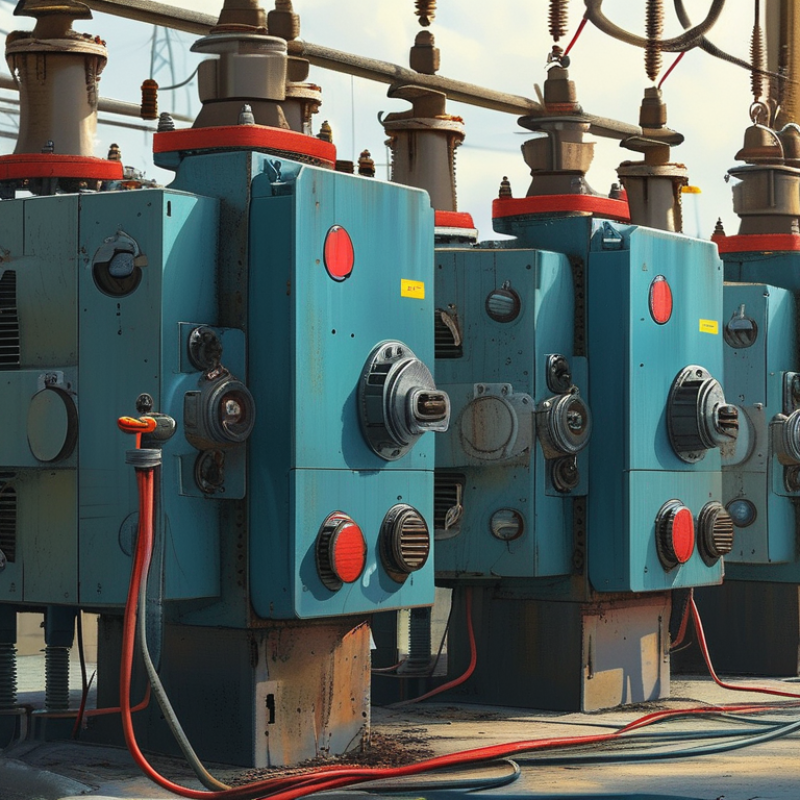
What is an Air Circuit Breaker? Definition and Overview
An air circuit breaker (ACB) is an essential component in electrical systems. It serves as a protective device to prevent overloads and short circuits. ACBs are designed to operate in high voltage environments and are commonly used in industrial applications. They can handle large currents and provide reliable protection.
The working mechanism of an ACB hinges on its ability to detect fault conditions. When a fault occurs, the circuit breaker opens, interrupting the current flow. This action prevents damage to electrical components and ensures safety. Air acts as the insulating medium, which allows the ACB to cool and extinguish arcs during operation. However, the effectiveness of an ACB relies heavily on accurate calibration and maintenance.
While ACBs are generally reliable, they are not infallible. Dust and moisture can affect their performance over time. Regular inspections are necessary to ensure they function correctly. Users must be aware of these potential shortcomings. Proper training in ACB operations is crucial for minimizing risks. Investing time into understanding air circuit breakers can significantly enhance electrical safety in any facility.
What is an Air Circuit Breaker and How Does It Work?
| Feature | Description | Applications |
| Definition | An air circuit breaker is an electrical device used to provide overcurrent protection and control for electrical circuits. | Industrial power systems, commercial buildings, and large residential installations. |
| Components | Includes contacts, arc extinguishing chamber, and operating mechanism. | Used within switchgear assemblies. |
| Operation Mechanism | Utilizes air as the insulating medium, where the arc created during fault conditions is quenched by the air. | Essential for safe operation during overload and short circuit conditions. |
| Types | Includes plain break, magnetic blowout, and hybrid types. | Varied applications according to the electrical load and environment. |
| Advantages | Reliable performance, easy maintenance, and robust safety features. | Suitable for high voltage installations. |
| Disadvantages | Higher cost compared to fuses, and requires space for installation. | Not ideal for low voltage applications. |
The Working Principle of Air Circuit Breakers Explained
Air circuit breakers (ACBs) are crucial devices in electrical distribution systems. They protect circuits from overloads and short circuits. The working principle of ACBs revolves around their ability to detect fault currents. When a fault occurs, they open the circuit almost instantly, preventing damage to equipment.
ACBs utilize air as the medium for quenching the arc formed during the interruption. This design allows them to handle high voltage and current ratings efficiently. According to a 2022 industry report, air circuit breakers account for approximately 30% of the global low-voltage circuit protection market. Their reliability in harsh environments makes them a preferred choice in industrial applications.
Despite their advantages, ACBs can pose challenges. Maintenance is vital for optimal operation, yet many users overlook this aspect. Regular inspections can identify wear and potential failures. Moreover, understanding the specific requirements of the installation site is essential. This knowledge can help mitigate issues, ensuring longevity and effectiveness in protecting electrical systems.
Air Circuit Breaker Performance Analysis
Key Components and Their Functions in Air Circuit Breakers
Air circuit breakers (ACBs) are essential components in electrical systems. They automatically disconnect circuits to prevent overloads and short circuits. The key components of air circuit breakers include the operating mechanism, contacts, arc extinguishing chamber, and housing. Each part plays a significant role in the performance and reliability of the circuit breaker.
The operating mechanism activates the contacts to open or close the circuit. It can be either manual or automatic, depending on the design. Research indicates that effective operation is vital; a malfunction can lead to system failures. Contacts provide the electrical connection, while the arc extinguishing chamber cools and quenches the electrical arc during operation. This is crucial because arcs can cause extensive damage. Reports show that improper arc management can reduce the lifespan of the breaker by up to 30%.
Furthermore, the housing protects internal components from environmental factors. It must withstand various conditions, such as dust and humidity, which can affect performance. However, some manufacturers overlook the importance of durable materials. Quality issues have been documented in industry studies, showing that poorly designed housings can lead to failures in extreme environments. Overall, evaluating the individual components of air circuit breakers is critical for ensuring safety and reliability.
Performance Ratings: Understanding AC and DC Current Limits in Breakers
Air Circuit Breakers (ACBs) are essential protective devices in electrical systems. They prevent overloads and short circuits, ensuring safety in industrial and commercial applications. Understanding performance ratings is crucial. ACBs have specific AC and DC current limits that dictate their usage in different settings.
In AC systems, the current is typically sinusoidal. Ratings for AC breakers are higher due to the continuous nature of alternating current. They can handle variable loads effectively. Conversely, DC systems have a constant current flow. Breakers for DC applications must manage arcing differently. Their ratings are often lower because the arc extinction is more challenging.
Knowing these limits helps in correct breaker selection. A mismatch could lead to failure, risking safety. It's essential to assess environmental conditions and load parameters. While ratings provide guidelines, real-world applications may vary. Performance can differ based on temperature, humidity, and installation quality. Ensuring reliable operation requires regular inspection and testing.
Safety Standards and Testing Methods for Air Circuit Breakers
Air circuit breakers (ACBs) are crucial for electrical distribution systems, providing protection against overloads and short circuits. Their performance is often gauged by safety standards and rigorous testing methods. Understanding these standards is essential for manufacturers and users alike.
One primary standard is IEC 60947-2. It outlines the requirements for low-voltage circuit breakers, including ACBs. Testing methods specified by this standard ensure reliability and effectiveness. These tests involve thermal and dynamic stability assessments. Such evaluations determine how well an ACB can handle fault currents. Relevant data from industry reports highlight that devices adhering to this standard can reduce electrical failures by over 30%.
Here’s a tip: Regular maintenance and testing of ACBs can significantly improve safety. Often, ACBs are not tested as frequently as required, leading to potential failures during critical times. Implementing a habit of annual inspections can catch early warning signs.
Additionally, consider the environmental impact of ACBs. Modern designs incorporate eco-friendly materials and energy-efficient technologies. However, many facilities still use outdated models that do not comply with updated standards. This misalignment can lead to inefficiencies and increased operational costs. A thorough audit of existing equipment can reveal opportunities for upgrades.





