What are the Advantages of Automated Line in 2026?
In 2026, the landscape of manufacturing is witnessing a significant transformation due to the rise of the Automated Line. This advanced system optimizes production processes, reducing both time and labor costs. Businesses are increasingly adopting Automated Lines to enhance efficiency and meet growing consumer demands. The potential for increased output is substantial, allowing companies to scale rapidly.
However, the transition to Automated Lines is not without challenges. Higher initial investments may deter smaller businesses from adopting this technology. Moreover, workforce displacement raises concerns about job security. Companies must carefully balance automation with human resource management to maintain a motivated workforce. Real-world implementation of Automated Lines requires ongoing adjustments and refinements.
The advantages of Automated Lines are compelling, yet they come with complexities. As industries embrace this trend, it’s crucial to navigate the hurdles effectively. Stakeholders must engage in critical reflection on how to best integrate automation while considering its broader societal impacts. The journey towards a fully automated future is both exciting and daunting, marking an essential chapter in manufacturing evolution.
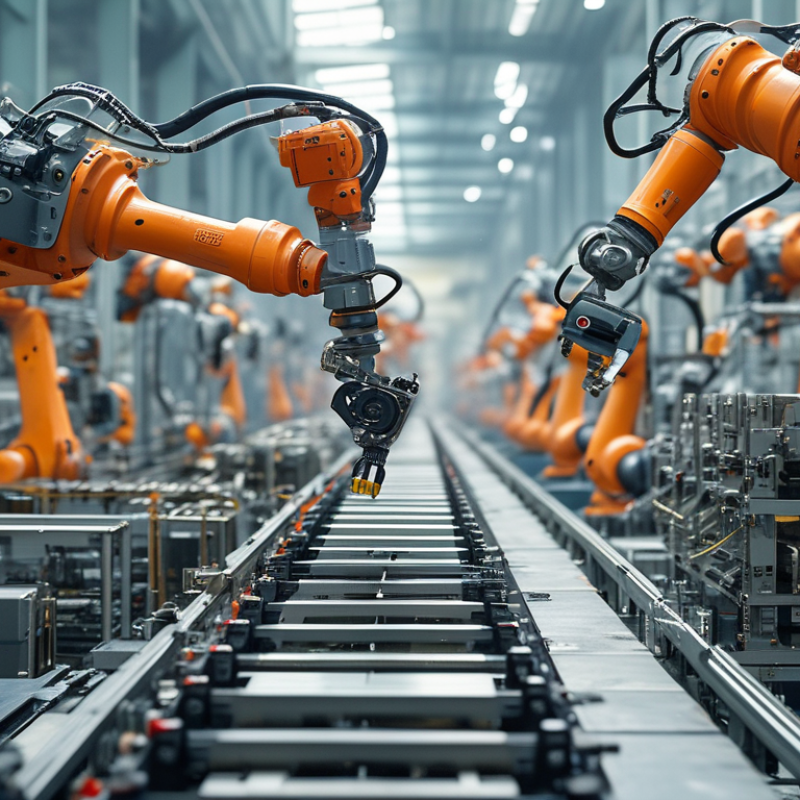
Advantages of Labor Efficiency in Automated Lines in 2026
The rise of automated lines in manufacturing is transforming labor efficiency. By 2026, industries are projected to experience a 30% increase in productivity due to automation technologies. This shift allows companies to produce higher volumes with fewer errors. The incorporation of AI and robotics streamlines workflows, reducing the need for manual labor in repetitive tasks.
Automated lines can lead to faster production cycles. Some reports suggest that efficiency gains can reach up to 50% in high-automation environments. Workers stationed at these lines benefit from reducing their physical strain. However, the reliance on automation creates new challenges. Workers may need reskilling to adapt to these advanced systems, leading to transitional periods of uncertainty.
**Tip:** Invest in training programs for your workforce. Adaptability is key. Engage employees in the transition to automation to minimize resistance.
Another advantage is improved quality control. Automated systems often reduce variability in product output. For instance, defects can drop by as much as 90%. However, companies must regularly maintain and update automated systems. Lack of attention can lead to issues, eroding the initially observed benefits.
**Tip:** Regularly assess automation technologies. This helps identify potential bottlenecks and ensures seamless operation.
Cost Reduction Through Automation in Manufacturing Processes
The manufacturing landscape is rapidly evolving. By 2026, companies leveraging automated lines are likely to experience significant cost reductions. A recent report by the International Federation of Robotics indicated that automation can reduce labor costs by up to 30%. This stark figure highlights the potential savings for firms investing in smart technologies.
Automation not only minimizes labor expenses but also enhances efficiency. A study from McKinsey reveals that automated production lines can increase output by 20%–30%. This increase is crucial as industries face rising demand and tighter margins. However, switching to automation requires careful planning. Organizations should assess their readiness and potential ROI before diving in.
**Tip:** Evaluate your current processes to identify automation opportunities. Small changes can lead to significant cost savings over time.
Despite the advantages, challenges remain. Some workers may resist automation, fearing job loss. Companies must focus on reskilling their workforce. This investment ensures a smooth transition and maintains morale.
**Tip:** Encourage open dialogue about automation. Engaging employees can foster understanding and reduce anxiety.
Advantages of Automated Line in 2026
Enhanced Quality Control and Consistency in Production
Automated production lines have revolutionized manufacturing. Enhanced quality control is one of their standout benefits. Precise sensors monitor every stage of production. Each product undergoes rigorous testing. This leads to fewer defects and higher reliability.
Consistency is another key advantage. Automated systems replicate processes flawlessly. This ensures that every item meets the same high standards. Variations are minimized, which builds customer trust. However, reliance on automation can generate concerns. If systems malfunction, it may disrupt the entire production process.
Moreover, while automation boosts efficiency, it lacks human intuition. Sometimes, a machine may not detect subtle flaws. This leaves room for human oversight, which is vital.
Balancing automation with human intervention can enhance quality control. This can lead to a more resilient production environment. A thoughtful blend of both approaches can create lasting improvements in manufacturing.
Integration of Advanced Technologies for Improved Automation
The integration of advanced technologies in automated lines is transforming industries. In 2026, automation will be more efficient and effective than ever. Robots will work alongside humans, improving productivity and precision.
Investing in AI and machine learning enhances operational capabilities. These technologies can analyze data in real-time. They identify bottlenecks and predict maintenance needs. Automated systems can adapt quickly to varying workloads. This flexibility allows businesses to respond promptly to market demands.
Tips: To implement these systems, ensure training is provided. Employees must understand how to collaborate with advanced technology. Regular evaluation of automation processes is crucial. It helps identify areas for improvement and promotes innovation. Embracing change can lead to significant gains in efficiency.
The automation journey also presents challenges. Not all employees may feel comfortable with new technologies. Resistance can hinder progress. Addressing concerns and fostering a positive mindset is essential. Open communication about the benefits of automation can help build trust.
Sustainability and Environmental Benefits of Automated Lines in 2026
In 2026, automated lines are transforming the manufacturing landscape, particularly regarding sustainability. These systems optimize resource use by reducing waste significantly. They can adjust production speeds based on demand in real-time, ensuring that energy and materials are used efficiently. For example, a factory might utilize sensors to monitor energy consumption, leading to adjustments that lower costs and minimize environmental impact.
Another aspect is the reduction of emissions. Automated lines typically operate with greater precision, leading to cleaner production processes. By minimizing errors, there's less need for rework, which often consumes additional resources. However, it's essential to recognize that automation is not a panacea. The shift may displace certain jobs, creating societal challenges that require careful management.
Furthermore, while automated systems can streamline production, they also depend on reliable data and maintenance. The risk of breakdowns can pose an environmental threat. Overall, while the benefits of automated lines are compelling, they come with complexities that demand critical evaluation. Sustainable practices should evolve alongside technological advancements, ensuring that companies remain responsible stewards of our planet.





