What is an Adjustable Voltage Rectifier and How Does It Work?
Adjustable Voltage Rectifiers (AVRs) play a significant role in modern electrical engineering, particularly in power conversion systems. According to the International Energy Agency, efficient power conversion is crucial as it can impact overall energy savings by up to 30%. AVRs offer flexible control over output voltage, making them indispensable in applications ranging from renewable energy systems to industrial automation.
These devices work by converting alternating current (AC) to direct current (DC) while allowing users to adjust the output voltage according to specific needs. This adjustability not only enhances efficiency but also protects sensitive equipment from voltage fluctuations. The advancements in semiconductor technology have resulted in more compact and efficient AVRs. However, challenges remain. Issues such as heat dissipation and voltage regulation under varying loads still warrant attention.
Industry reports indicate that the demand for adjustable voltage solutions is set to rise, driven by the growth of electric vehicles and solar energy systems. Consequently, understanding how an Adjustable Voltage Rectifier operates is essential for engineers and technicians. Despite their benefits, there is a need for ongoing research and development to address existing shortcomings and maximize performance in real-world applications.
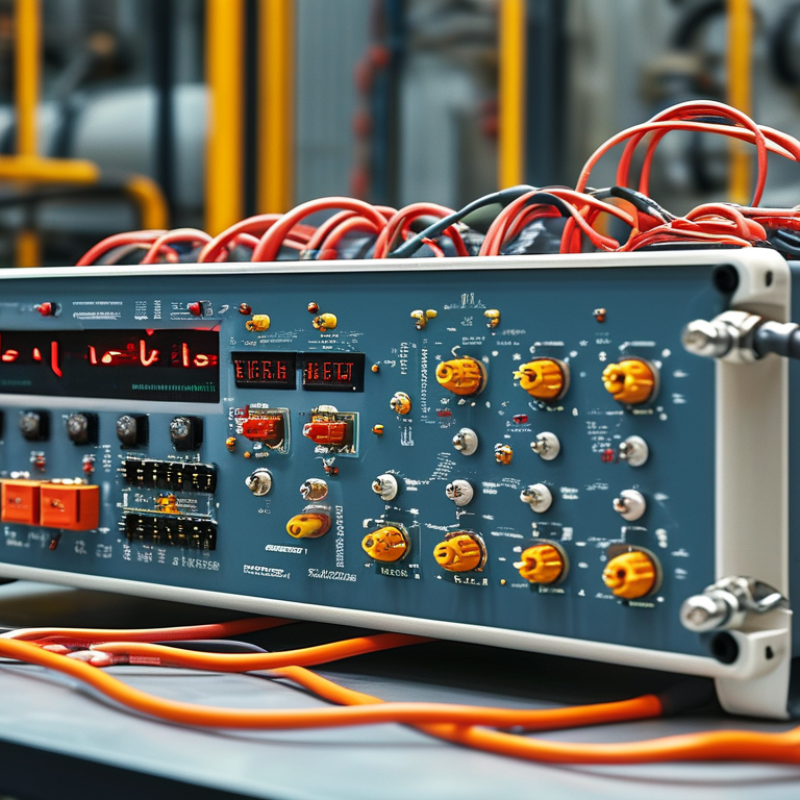
What is an Adjustable Voltage Rectifier?
An adjustable voltage rectifier is a critical component in many electronic devices. It converts alternating current (AC) to direct current (DC) while allowing for voltage adjustment. This adaptability makes it valuable in various applications, ranging from power supplies to battery chargers.
The technology works by using semiconductor devices, such as diodes. These diodes allow current to flow in one direction while blocking it in the other. By adjusting the control signals, users can modify the output voltage, ensuring the output meets specific requirements. According to industry reports, the global rectifier market is projected to reach $5.5 billion by 2025, reflecting its growing importance in electronics.
Despite its advantages, there are challenges. For instance, efficiency can decline at low load conditions. This can lead to energy waste. Moreover, heat generation in adjustable voltage rectifiers can be significant. Designing systems to dissipate heat effectively is essential. Engineers must balance performance and thermal management. In the evolving landscape of electronics, these adjustments are crucial for maintaining reliability and efficiency.
Key Components of an Adjustable Voltage Rectifier
Adjustable voltage rectifiers play a crucial role in power electronics, allowing for the conversion of alternating current (AC) to direct current (DC) with variable voltage. Understanding the key components is essential for grasping their operation.
A typical adjustable voltage rectifier includes diodes, a transformer, and a control circuit. Diodes allow current flow in one direction, preventing backflow. The transformer adjusts the voltage level. According to a report by the IEEE, the efficiency of diode selection impacts the overall performance. Using high-efficiency diodes can enhance the system's reliability by minimizing heat generation.
The control circuit maintains the desired output voltage, often utilizing feedback mechanisms. This circuit can adjust parameters based on load conditions, which ensures stability. Research indicates that advanced control techniques can improve response time by 40%. However, achieving precise control often involves balancing complexity and cost. Not all systems manage this effectively, leading to potential inefficiencies. Understanding these components and their interactions is key in developing effective adjustable voltage rectifiers.
How Adjustable Voltage Rectifiers Operate
Adjustable voltage rectifiers are essential in converting AC to DC while allowing modifications in output voltage. These devices utilize components like diodes and transformers for efficient operation. The heart of the adjustable voltage rectifier lies in its ability to change the output voltage based on the specific needs of the circuit it powers. Understanding this adaptability is crucial for applications in power supply design and motor control.
The operation of these rectifiers typically involves phase control techniques. This allows precise regulation of the voltage delivered to loads. By adjusting the phase angle at which the diodes conduct, users can alter the amount of power supplied. This dynamic response makes it suitable for varied industrial applications. Accurate control minimizes energy waste and enhances system reliability.
However, fluctuations in input voltage can pose challenges, leading to potential inefficiencies. Engineers must carefully design the circuits to mitigate these risks. Sometimes, achieving the desired voltage level takes longer than anticipated, requiring further analysis. Balancing performance and reliability is an ongoing challenge in the field.
Applications of Adjustable Voltage Rectifiers
Adjustable voltage rectifiers are widely used in various industries due to their ability to control output voltage efficiently. In the manufacturing sector, they regulate power supply for machines requiring variable voltages. According to a report by the International Energy Agency, such systems can enhance energy efficiency by up to 30%, significantly reducing operational costs.
In renewable energy applications, adjustable voltage rectifiers play a crucial role in converting power from solar panels and wind turbines. These rectifiers adjust voltage levels to optimize energy transfer. For instance, the U.S. Department of Energy estimates that optimized systems can improve energy capture by 15%. This technology is vital as the shift to renewable energy sources accelerates.
**Tip:** Regular maintenance and monitoring of rectifier systems can prevent efficiency losses. Even slight adjustments can lead to substantial power savings.
In electric vehicle (EV) charging stations, adjustable voltage rectifiers ensure safe and efficient charging. They manage different voltage levels as vehicles connect, enhancing user-friendly experiences. Reports indicate that improved charging infrastructure can boost EV adoption by approximately 40%. This reflects a positive trend towards sustainable transportation solutions.
**Tip:** Implement user feedback mechanisms to identify areas for system improvement. Addressing small issues proactively can enhance performance and reliability.
Adjustable Voltage Rectifier Performance
This bar chart illustrates the performance metrics of an adjustable voltage rectifier, showcasing input and output voltage, efficiency, and load current. Such rectifiers are pivotal in applications requiring precise voltage regulation.
Benefits of Using Adjustable Voltage Rectifiers
Adjustable voltage rectifiers are increasingly recognized for their versatility in various applications. They allow users to modify output voltage levels, improving efficiency. This adaptability is crucial in industries like renewable energy. According to a report by the International Energy Agency, using adjustable voltage systems can enhance energy conversion efficiency by up to 25%.
Another key benefit is energy savings. These rectifiers reduce energy losses during voltage conversion. A study from the Electric Power Research Institute indicated that adjustable rectifiers can save around 20% more energy compared to fixed-voltage designs. This reduction translates to lower electricity bills and a reduced carbon footprint. Such metrics underline the importance of considering efficient designs in a world focused on sustainability.
Moreover, adjustable voltage rectifiers contribute to better system reliability. They can handle variable loads without compromising performance or safety. However, users must choose the right specifications to avoid issues. Poorly designed systems may still lead to inefficiencies. Balancing flexibility and reliability is essential for optimal performance.
What is an Adjustable Voltage Rectifier and How Does It Work? - Benefits of Using Adjustable Voltage Rectifiers
| Feature | Description |
| Input Voltage Range | Typically 100V to 240V AC |
| Output Voltage | Adjustable, usually from 5V to 30V DC |
| Efficiency | Typically above 85% |
| Control Method | Pulse Width Modulation (PWM) |
| Protection Features | Over-voltage, Over-current, Thermal protection |
| Applications | Power supplies, battery chargers, and LED drivers |
| Benefits | Versatile output, energy-efficient, compact design |





