


What Is an AC Condenser and How Does It Work?

An air conditioner does more than blow cold air. It moves heat. At the center of that process is the outdoor condenser, a component many homeowners notice but rarely understand. Ac Condensers release indoor heat into the outdoor environment, helping refrigerant complete its cooling cycle. Without this step, the system cannot produce steady comfort.

HVAC educator John Barba explains the condenser’s role in practical terms: “The condenser is where the heat goes.” That simple statement captures the essential function. Warm, high-pressure refrigerant enters the outdoor coil after absorbing heat inside the building. The condenser fan pulls outdoor air across the coil. Heat then leaves the refrigerant and moves into the surrounding air. The refrigerant changes back into a liquid, ready for another cycle.

You can often see this process in summer. The outdoor unit hums, its fan spins, and warm air rises above the coil. That heat is not a fault. It is evidence that the system is working. Still, a warm discharge does not prove everything is healthy. A blocked coil, weak fan motor, or incorrect refrigerant charge may reduce performance.

This guide will examine what an AC condenser contains, how each part works, and why maintenance matters. It will also address common warning signs, including unusual noise, poor cooling, and excessive energy use. Some explanations may seem simplified. Real systems vary. That is worth remembering. A qualified technician should confirm difficult diagnoses before repairs begin.
What Is an AC Condenser and How Does It Work?

AC Condenser: Definition and Core Function

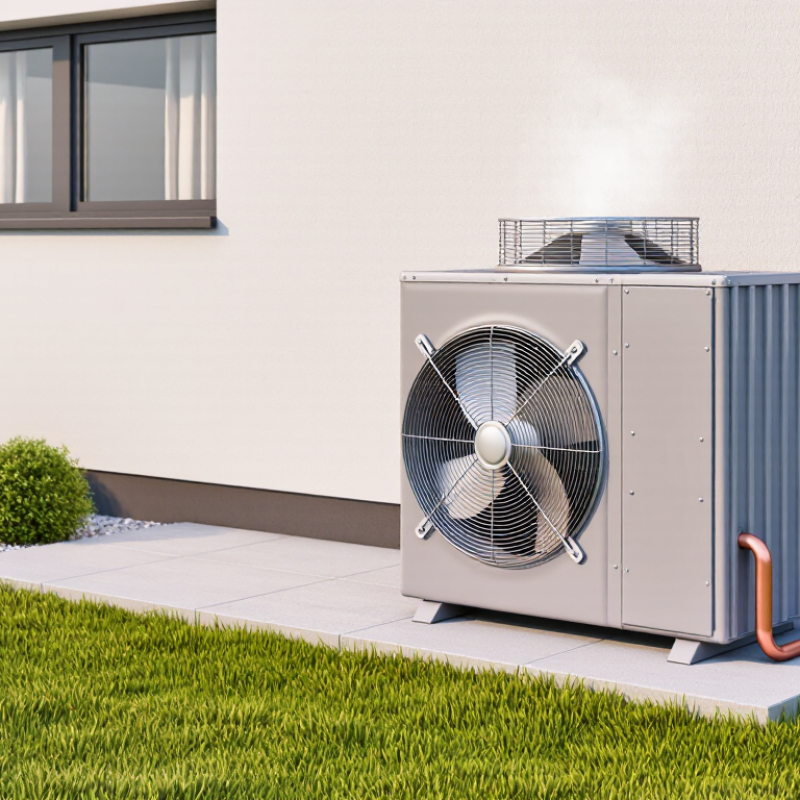
An AC condenser is the outdoor section that releases heat collected inside a building. It usually contains a coil, a fan, and refrigerant tubing. The compressor sends hot, high-pressure refrigerant vapor into this coil. Outdoor air then removes heat through the metal fins. As the refrigerant cools, it changes into a high-pressure liquid. This is the condenser’s core function: rejecting indoor heat and preparing refrigerant for the next stage.

A technician can often notice condenser problems through simple signs. The outdoor fan may run continuously, airflow may feel weak, or the cabinet may become unusually hot. Dirt between the fins can restrict heat transfer and raise operating pressure. However, a clean coil does not guarantee good performance. Electrical faults, low airflow, or incorrect refrigerant charge may produce similar symptoms. Proper diagnosis requires pressure readings, temperature measurements, and electrical testing. Refrigerant circuits can remain pressurized, so opening them without suitable training is unsafe.

Tips: Keep leaves and grass away from the outdoor cabinet. Leave clear space around its sides. Gently rinse the coil with power disconnected, avoiding bent fins. Do not guess the refrigerant charge from cooling performance alone. A small measurement error can affect efficiency, comfort, and compressor life. Regular professional inspection is wise, although inspection schedules may vary with climate, usage, and equipment condition.

What Is an AC Condenser and How Does It Work? - AC Condenser: Definition and Core Function

Data Dimension Verified Information Practical Significance
Definition The AC condenser is the outdoor heat-exchanging component of a vapor-compression air-conditioning system. It releases heat removed from the indoor space into the outdoor air.
Primary Function To reject heat from the high-pressure refrigerant vapor and convert it into a high-pressure liquid. This prepares the refrigerant for pressure reduction and evaporation in the indoor coil.
Location Normally located in the outdoor unit, where ambient air can flow across the coil. Outdoor placement allows the system to discharge indoor heat to the surrounding environment.
Refrigerant Inlet State High-pressure, high-temperature vapor leaving the compressor. The refrigerant carries both absorbed indoor heat and compressor-generated heat.
Desuperheating Stage The refrigerant vapor first loses sensible heat and its temperature drops toward the condensing temperature. This removes excess vapor temperature before the refrigerant changes phase.
Condensation Stage The refrigerant changes from vapor to liquid while rejecting latent heat at approximately constant pressure. Phase change enables substantial heat transfer without requiring a large temperature drop.
Subcooling Stage After condensation, the liquid may be cooled below its saturation temperature while remaining at high pressure. Subcooling helps ensure that liquid, rather than vapor, reaches the expansion device.
Refrigerant Outlet State High-pressure liquid, often slightly subcooled. The liquid is ready to pass through the expansion device, where its pressure and temperature decrease.
Heat-Transfer Direction Heat moves from the refrigerant, through the condenser tubing and fins, to the outdoor air. A clean coil and adequate airflow are essential for effective heat rejection.
Main Structural Parts Refrigerant tubes, heat-transfer fins, coil headers, a fan, a fan motor, and a protective cabinet are commonly used. Together, these parts circulate air and maximize the surface area available for heat exchange.
Outdoor Fan Function The fan draws or pushes outdoor air across the condenser coil. Air movement carries rejected heat away from the coil and supports stable operating conditions.
Pressure Relationship The condenser operates on the high-pressure side of the refrigeration circuit. The compressor creates the pressure difference needed for refrigerant circulation and heat rejection.
Energy Balance The condenser rejects the indoor cooling load plus the heat added by the compressor. Therefore, the condenser normally releases more heat than the evaporator absorbs indoors.
Common Airflow Problems Blocked fins, dirt, leaves, restricted clearance, or a malfunctioning fan can reduce airflow. Restricted airflow can increase condensing temperature and pressure, reduce efficiency, and strain the compressor.
Basic Maintenance Keep the coil clean, maintain unobstructed clearance, inspect the fan, and check for visible damage or refrigerant leaks. Routine maintenance helps preserve heat-transfer performance and can extend equipment service life.

Main Components Inside an AC Condenser

An AC condenser is the outdoor section that releases indoor heat. Its main components work as a connected system. The compressor raises the refrigerant’s pressure and temperature. The hot refrigerant then enters the condenser coil. Copper tubing and aluminum fins spread heat across a larger surface. A fan pulls outdoor air through the fins and pushes warm air away.

The fan motor, capacitor, and electrical contactor support this heat-transfer process. The capacitor helps the motor start and maintain steady rotation. The contactor controls power from the thermostat. Many systems also include a filter-drier, service valves, sensors, and a control board. These parts are small, but failure can stop the entire unit.

In practical inspections, blocked fins often look harmless. They are not. Dirt reduces airflow and increases compressor stress.

The U.S. Department of Energy’s Energy Saver program reports that air conditioning uses about 6% of U.S. electricity, or roughly 117 billion kilowatt-hours annually. The International Energy Agency’s The Future of Cooling report projects that space-cooling energy demand could triple worldwide by 2050. These figures explain why condenser efficiency matters beyond comfort. A clean coil helps, but it does not guarantee efficient operation. Incorrect refrigerant charge, weak airflow, or a failing capacitor can still waste energy. That is where simple diagrams become incomplete.

How Refrigerant Heat Is Released Outdoors

What Is an AC Condenser and How Does It Work?

The AC condenser is the outdoor coil that releases indoor heat into the surrounding air. A compressor sends hot, high-pressure refrigerant vapor into this coil. The refrigerant moves through narrow metal tubes and transfers heat to the coil’s fins. An outdoor fan pulls air across these fins, carrying the heat away. As the refrigerant cools, it changes from vapor into a high-pressure liquid.

The word “condenser” can be misleading. It does not create cold air. It removes heat. The outdoor unit may feel surprisingly warm during operation, especially on a hot afternoon. That warmth is evidence of heat leaving your home, not necessarily a fault. Still, performance depends on clean airflow. Dust, leaves, blocked fins, or poor clearance can slow heat release and increase system pressure. Technicians check these details because small restrictions can cause larger mechanical stress.

Tips: Keep plants and stored items away from the unit. Leave clear space around the coil. Turn off power before removing visible debris, and avoid bending the delicate fins. A soft brush may help, but high-pressure water can damage them. If the fan runs but the air feels unusually hot, or cooling weakens, arrange a professional inspection. Refrigerant circuits operate under pressure, so opening them requires trained handling and proper equipment. DIY cleaning sometimes helps, but it does not replace diagnosis.

The Condenser’s Role in the Complete Cooling Cycle

What Is an AC Condenser and How Does It Work?

The condenser is a key part of the complete air-conditioning cooling cycle. It usually sits in the outdoor unit, where air can carry heat away. After the compressor raises the refrigerant’s pressure and temperature, the hot gas enters the condenser coil. A fan moves outdoor air across metal fins, and the refrigerant releases indoor heat through the coil walls. As it cools, the gas changes into a high-pressure liquid.

This process does not create cold air directly. Instead, it removes heat absorbed inside the building. The refrigerant then travels through a metering device, which lowers its pressure. It enters the indoor evaporator as a cooler mixture and absorbs heat from the room. That vapor returns to the compressor, continuing the cycle. Small details matter here. Bent fins, blocked airflow, or dirt on the coil can reduce heat transfer and increase operating pressure.

A practical inspection should include the condenser coil, fan operation, electrical connections, and clearance around the outdoor unit. Keep leaves and stored items away from its sides. The cycle is efficient, but not perfect. Even a clean condenser can struggle during extreme outdoor heat. I have seen systems blamed on low refrigerant when restricted airflow was the real problem. That is why pressure readings should support, not replace, a careful visual and performance check.

Common Condenser Problems and Maintenance Needs

An AC condenser releases indoor heat outdoors through the outdoor coil, fan, and refrigerant circuit. Its performance affects comfort, operating cost, and equipment life. The International Energy Agency’s Energy Efficiency 2023 report states that global space-cooling energy use has more than tripled since 1990. A neglected condenser can worsen that trend inside one home.

Dust, leaves, grass clippings, and bent fins restrict airflow around the coil. The compressor may then run longer, while the outdoor cabinet feels unusually hot. Refrigerant leaks create another serious problem. Common signs include weak cooling, ice on the indoor coil, or hissing near connections. Electrical faults also matter. A failing capacitor can cause repeated clicking, hard starts, or a silent fan. These symptoms need professional testing, not guesswork.

Keep at least 60 centimeters of clearance around the condenser when possible. Turn off power before removing debris. A soft brush and gentle water stream usually work better than high-pressure spraying. Schedule coil, electrical, and refrigerant checks before peak cooling season. The U.S. Department of Energy reports that replacing a dirty air filter can reduce air-conditioning energy use by 5% to 15%. That figure concerns the whole system, not the condenser alone, but airflow still affects condenser workload. Some maintenance advice sounds simple. It is easy to overestimate what cleaning can fix. Bent fins, corrosion, and refrigerant loss require trained evaluation and documented measurements.

Powder Coat Booths

For those larger-sized parts, or smaller quantity runs, we have 2 independent powder coat booths and ovens. The quality, durability and affordability of today’s powder coating finishes make this the process of choice for world-class companies.

Powder coating advantages over other forms of coating are many. Materials used in the Powder coating process can be metals and non-metals that come in a multitude of thicknesses, textures, colors, etc. Another of Powder coating’s biggest advantages over conventional coatings is its ability to create finishes in many different textures. Powder Coating Booths allow us the ability to apply these advantages to large products.

Wet Paint Line

Tri-State Fabricators runs a full-service conveyor line for painting. Wet painting can provide protection or decoration to many different part styles. From start to finish, every project is easier to undergo random and point-based inspection by our skilled painting team.

Advantages to our Wet Paint Line are these lines start with product prep and ends with a thorough inspection of a high quality finished product. Our ability to complete large and small projects with a superior finish and doing so in a timely and economical fashion. This passes along the savings in production to our customers. When powder coating ins not an option, our Wet Paint Line gets the job done right the first time.

Wet Paint Booths

When the parts get big and heavy we roll-out our custom paint racks and oversize booth. By utilizing our partnerships with all the major paint brands, we can match virtually any color with wet paint.

The advantages of having access to a Wet Paint Booth are many. Large projects of many different shapes can be loaded into the booth. The Wet Paint Booth offers an environment that is much more controlled than a typical parts painting operation.

Not only are they used because of their controlled environment, but they’re are also advantageous when it comes to applying paint to parts that are needed in industries that require specialty coatings such as medical, aerospace, etc.

Military CARC

Our military forces have some very high standards when it comes to the finish of their vehicles and equipment. From the first pre-treatment step to final coat, it takes a great deal of knowledge and experience to protect the men and women of our armed forces. They deserve only the best, and Tri-State Fabricators provides it.

All of our processes are closely monitored by our staff and management teams. Both of which are highly trained in the processes of metal fabrication and finishing. Tri-State Fabricators’ goal is to always fully satisfy each and every customer, including the military. We will always put a 110% into what we do.

Glass-Bead Blasting

Abrasive media blasting is an excellent way to remove old paint, rust, and increase the paint/powder adhesion. Glass beads produce a much smoother and brighter finish than angular abrasives; leaving the part clean yet without any dimensional change. Chemically inert and environmentally friendly, we can recycle our beads approximately 30 times; making them a more preferred method of metal cleaning or surface finishing.

Advantages to Glass Bead Blasting are many. Glass bead blast media is used when a project is needing rough surfaces need to become smooth for applications of coatings such as paint. It is typically used to clean paint and rust from a product surface without deforming the surface it is being used on. Overall, compared to many other blasting media, Glass Bead Blasting is a very economical choice and those savings are always passed on to our customers.

Part Washing

Tri-State Fabricators utilize a zinc phosphate wash to clean and etch the material to ensure the best paint adhesion possible. The unique design of our 3-stage wash system does the work like a 5-stage. From Cleaning and rinsing to conversion coating and post-treatment, Our Part Washing process is a complete service and works throughout the fabrication service and the finishing service.

Along with the previously mentioned benefits, Curing is a vital chemical reaction that leaves the product finish hard and relatively safe from mild abrasion and aggressive corrosion. This process can be done in more than one way; ambient air-dry or in curing ovens at temps that exceed 240°.

Burn-Off Oven

From fixing paint mistakes (someone else’s of course) to simply cleaning our paint line hooks, our burn-off oven is put to good use. After a quick burn-off, a little clean up, and a fresh coat of paint, your parts will look better than new.

Why does our Burn-Off Oven work so well? Because super heating the air around parts turns the materials into ashes. From paint and powder coatings to rubber and machining oils, high temps do the job without degrading the integrity of the part.

Masking

Masking is a vital part of producing high quality products. We have die-cut masking patterns to protect machined surfaces as well as a wide range of plugs and caps to protect threaded holes and bolts. We provide permanent and temporary masking.

Masking allows the selected sections of a product to be protected from a fabrication or finishing service. This can be with both chemicals when etching and tapes, paints when only finishing just a section of the product. Masking is great in aiding the customization process of a project.

Screen Printing

Screen printing is a photographic process that transfers artwork onto a porous nylon screen which allows colored ink to flow through the screen and be deposited on an aluminum or plastic component. We can generally have just about any design created onto a screen for your parts.

Some of the advantages of Screen Printing are, brand recognition for your business displaying on your products, assembly instructions, product warnings/hazards, etc. Tri-State Fabricators produces Screen Printing of the highest quality so you know it’s durable.

Metal Finishing

Metal Finishing is the art of treating the exterior portion of product, often metal but can also be made of other materials, so that the surface is clean and free of any debris. Then the process of applying coats or either paint of powder coat takes place. This coating process improves the quality of the product in both appearance and resistance to wear and corrosion.

Tri-State Fabricators, Inc., understands that a project typically isn’t complete until a high-quality finish has been added to your product. This is why our painting and powder coating teams continuously inspect the products throughout the Metal Finishing process.


