What You Need to Know About Abrasive Slurry Regulation in China?
The landscape of Abrasive Slurry Regulation in China is complex and ever-evolving. As industries increasingly rely on abrasive slurries for various manufacturing processes, understanding the regulations surrounding these materials is crucial. Abrasive slurry regulation reflects China’s commitment to environmental protection and worker safety. However, gaps and inconsistencies can exist in enforcement and compliance.
Companies must stay informed about the latest updates in abrasive slurry regulation. New policies may arise, impacting how these materials are handled and disposed of. Safety procedures must be implemented to ensure compliance. Organizations may find it challenging to navigate these regulations due to their specificity and variations across regions. The consequences of non-compliance can be severe, including fines and operational shutdowns.
To thrive in this regulatory environment, businesses should seek expert guidance. Developing a structured approach to compliance can mitigate risks. Collaborating with industry professionals can help clarify complex regulations, providing the necessary expertise. Ultimately, awareness and proactive measures will not only enhance compliance but also contribute to safer working conditions. Understanding abrasive slurry regulation is not merely a requirement; it is an integral part of responsible manufacturing in China.
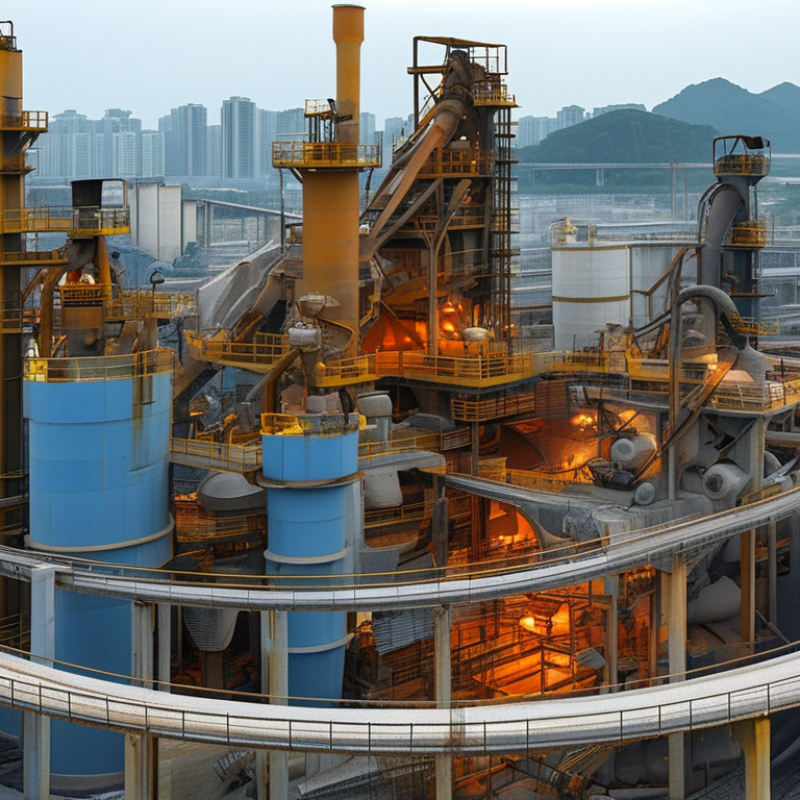
Overview of Abrasive Slurry and Its Industrial Applications
Abrasive slurry plays a vital role in various industrial applications. It consists of a mixture of abrasive particles and a liquid medium, typically water. This unique composition allows it to be used effectively in processes like grinding, polishing, and cutting. Industries such as manufacturing, automotive, and construction rely heavily on abrasive slurry for precision tasks. Its efficiency in removing material and achieving smooth finishes makes it indispensable.
The formulation of abrasive slurry can vary significantly based on its intended use. For instance, the concentration of abrasives affects cutting speed and surface finish. Properly managing these variables can lead to improved productivity. However, inconsistency in mixture components can result in subpar performance. Users must be vigilant in monitoring quality to prevent inefficiencies. Abrasive slurries often demand strict adherence to safety regulations and disposal methods to mitigate environmental impacts.
Moreover, the regulatory landscape in China is evolving. Increased scrutiny on waste disposal and air quality has led to stricter guidelines for abrasive slurry use. Industries must stay informed about these changes, ensuring compliance while maintaining effective operations. Failure to do so can lead to hefty fines and operational disruptions. Awareness of these regulations is crucial for long-term sustainability in the abrasive industry.
Current Regulatory Framework for Abrasive Slurry in China
Abrasive slurry regulation in China is a complex landscape shaped by both evolving standards and the growing demand for safer production processes. Recent data from the Ministry of Ecology and Environment indicates that over 40% of abrasive products exceed safety limits, necessitating stricter enforcement. The current regulatory framework emphasizes the role of companies in ensuring compliance, yet many organizations lack adequate monitoring systems.
Many companies are still unclear about the specifics of the regulations. For example, the requirement for specific labeling and disposal methods is often overlooked. In a survey conducted by a leading industrial association, 65% of manufacturers reported difficulties in understanding compliance guidelines. This highlights a critical gap in industry knowledge and the urgency for comprehensive training programs. The penalties for non-compliance can be severe, including hefty fines and shutdowns.
The regulatory landscape is ever-changing. As the government tightens controls, companies may face increased pressure to adapt quickly. The shifting regulations also raise concerns about the sustainability of certain practices. Balancing efficiency with regulatory demands is a growing challenge for businesses. As these issues unfold, it becomes essential for industry stakeholders to engage in proactive dialogue with regulators to foster clearer, more effective guidelines.
Key Environmental and Health Concerns Associated with Abrasive Slurry
Abrasive slurry is a mixture used in various industrial processes, like metal polishing and glass finishing. However, its regulation in China raises key environmental and health concerns. Recent studies show that improper disposal of abrasive slurry can lead to severe soil and water contamination. The China National Chemical Information Center reported that around 30% of industrial wastewater contains hazardous materials, including heavy metals from abrasive slurry.
Health risks are significant for workers exposed to this material. Breathing in dust or fumes from the slurry can cause respiratory issues. A report from the China Occupational Safety and Health Center indicates a 20% increase in respiratory diseases among workers in poorly regulated industries. Many simply overlook these risks, focusing instead on productivity. Yet, this mindset could have dire consequences.
Environmental organizations emphasize the need for stricter regulations on abrasive slurry to protect ecosystems. The Environmental Protection Agency of China has called for immediate action. Studies reveal that untreated abrasive slurry harms aquatic life, leading to imbalances in local ecosystems. It is crucial to balance industry needs with environmental protection. Many factories still need to adopt best practices for slurry management, highlighting the ongoing challenges in this sector.
Compliance Requirements for Manufacturers and Importers of Abrasive Slurry
Navigating the compliance landscape for abrasive slurry in China can be daunting. Manufacturers and importers must pay attention to specific regulations that govern the production and distribution of these materials. Compliance ensures both legal operation and safety for users. Understanding local laws is crucial for avoiding severe penalties.
Key requirements include proper labeling and safety data sheets. Documentation must accurately reflect the chemical composition of the abrasive slurry. The standards set by Chinese regulatory authorities are stringent. They often require testing to ensure products meet environmental and safety benchmarks. Regular audits can be a requirement. This adds complexity but is essential for maintaining compliance.
Constantly changing regulations can lead to confusion for businesses. It’s vital to stay updated on legislation, which may affect operational processes. Companies often overlook ongoing compliance training for employees, which can result in lapses. Establishing a compliance culture can mitigate risks. The dedication to following these regulations can significantly impact a company’s legitimacy and market presence.
What You Need to Know About Abrasive Slurry Regulation in China
| Regulation Aspect | Description | Compliance Requirement | Consequences of Non-Compliance |
| Chemical Composition | Abrasive slurries must conform to specified chemical compositions regulated by Chinese authorities. | Provide a detailed Material Safety Data Sheet (MSDS) and product certifications. | Fines, product recalls, or even bans on selling the product. |
| Environmental Impact | Manufacturers must assess the environmental impact of their products. | Conduct environmental assessments and obtain necessary permits. | Heavy fines, operational shutdown, and legal action. |
| Labeling Requirements | Products must have clear and accurate labels stating all components and hazards. | Follow national labeling standards and include hazard symbols. | Restriction from sale, re-labeling expenses, and potential lawsuits. |
| Quality Control | Abrasive slurry products must meet specific quality standards for safety and performance. | Implement a quality control system and regular inspections. | Loss of certification, market withdrawal, and manufacturer liability for damages. |
| Import Regulations | Imported abrasive slurries are subject to rigorous inspection and testing for compliance. | Provide import permits and pass customs inspections. | Seizure of goods, heavy fines, and prohibition of future imports. |
Future Trends and Potential Changes in Abrasive Slurry Regulation in China
The regulatory landscape for abrasive slurry in China is evolving. Recently, the Chinese government has emphasized stricter environmental standards. Companies now face increased pressure to comply with regulations aimed at reducing pollution caused by abrasive slurry waste. This shift requires manufacturers to adapt quickly.
Future trends suggest that digital monitoring will become more prevalent. Real-time data collection on emissions can help ensure adherence to new regulations. Companies may invest in cleaner technologies, minimizing waste generated during production. As enforcement tightens, having an efficient tracking system is crucial.
Tips: Establish a compliance team. Regular training will keep your staff informed. Invest in technologies that reduce waste. Consider sustainability not just a buzzword, but a business strategy. This approach may improve your reputation and reduce long-term costs.





