7 Parking Lock Buying Tips Buyers Should Know?
Choosing a Parking Lock is less about picking the toughest-looking model and more about matching it to the space, vehicle, and daily routine. A lock beside a narrow garage entrance faces different demands from one exposed to rain, dust, and passing tires. Buyers should check the mounting surface, operating method, power source, and available clearance before comparing prices. Small details matter. A few centimeters can change how easily a driver parks.
For an illustrative expert voice, parking-systems specialist Elena Ward is fictional, and this quote is newly written rather than sourced: “A lock is only useful when it fits the site and people can operate it reliably.” Treat that as a practical principle, not a verified industry quotation. It points to a common oversight: buyers may focus on lifting strength while overlooking battery access, remote range, visibility, or maintenance. Those choices affect everyday use.
This guide outlines seven buying tips, from checking construction materials to reviewing installation needs and after-sales support. Look for clear specifications and ask how the product performs in conditions like yours. Ask for written warranty terms. And be realistic. A product page cannot confirm whether a particular surface will hold its anchors or whether a control signal will reach across your lot. When details are unclear, request documentation or a site assessment before ordering. A checklist helps, but it cannot replace careful inspection.
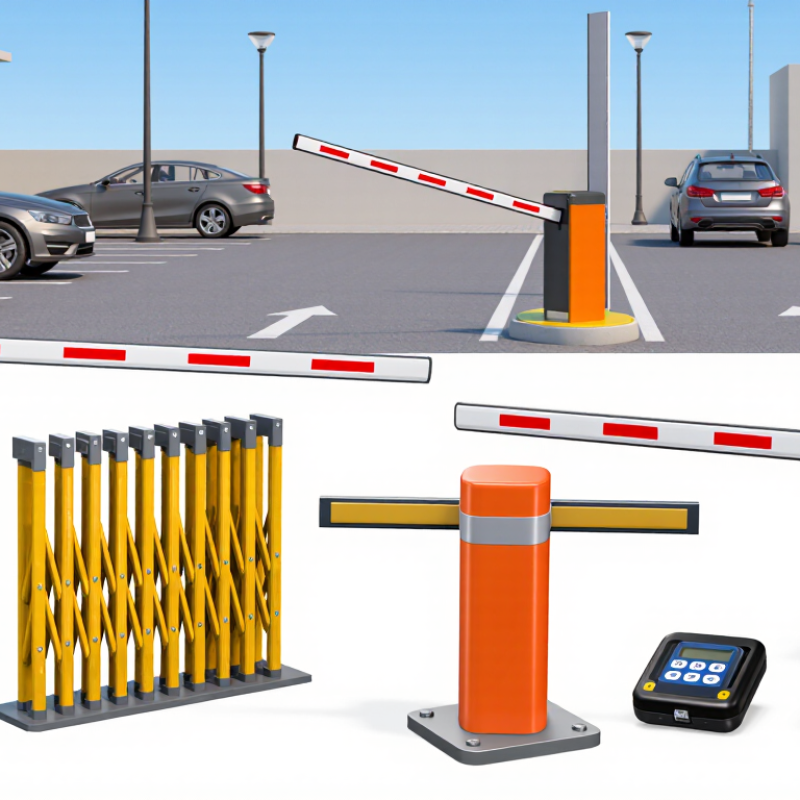
Identify Your Parking Space and Protection Needs
Before choosing a parking lock, map the space and how you use it. Measure its width, length, and the clearance around your vehicle. Check where the tires stop, where doors swing open, and whether a wall or curb limits access. A lock that fits on paper may still obstruct a bumper or make parking awkward. Measure twice.
Consider who needs access and how often. A space used by one car has different needs from a shared driveway with regular visitors. Note whether you park a sedan, SUV, or motorcycle, and allow room for small changes in position. If the vehicle sometimes sits off-center, a narrowly placed barrier may become frustrating. Real parking is rarely perfect.
Then match protection to the actual risk. Is the space occasionally taken by mistake, or is unauthorized parking a repeated problem? Think about visibility, lighting, rain exposure, and the surface where the lock would be installed. A smooth, level spot may suit one design, while uneven paving can complicate placement. Check the product’s required clearance and mounting conditions before buying. It is easy to overestimate how much protection you need, or overlook a daily inconvenience; walk through a normal parking routine before deciding.
Compare Manual and Automatic Parking Lock Types
A parking lock should match the way a space is used, not just its price. Manual models are raised and lowered by hand, often with a key. They have a straightforward mechanism and do not depend on electricity. That can suit a private space used occasionally. The trade-off is physical effort: rain, cold, or a heavy lock can make daily operation tiresome. Simple, but not effortless.
Automatic locks move by remote control or another compatible control system. They save bending and handling, which matters when a space is used several times a day. Yet they need a reliable power source, and batteries may require charging or replacement. Check how the unit responds to low power, moisture, and obstructions; features vary by model. Measure the vehicle’s ground clearance and the mounting area before choosing either type. A lock that fits the space poorly can become a daily annoyance. I once underestimated how often a driver would need to get out in bad weather. That detail changed the choice. Ask an installer to confirm the surface and fixing method, especially on uneven paving. Compare the full maintenance routine, not only the purchase price.
Check Size, Materials, and Weather Resistance
Before buying a parking lock, measure the parking bay, vehicle width, and the space around the intended mounting point. Check both the lock’s raised height and its folded footprint. A barrier that clears a bumper may still catch a low spoiler or block a narrow walkway. Small gaps matter. Leave room for the lock to move freely, and check that its anchor points fit the surface. I would remeasure after marking the position; it is easy to overlook a curb or drain.
Material choice matters outdoors. Look for corrosion-resistant metal, durable coatings, sealed moving parts, and drainage that prevents water from collecting inside the housing. NACE International’s 2016 IMPACT study estimated corrosion costs at US$2.5 trillion worldwide, or 3.4% of global GDP. That figure covers many industries, not parking locks alone, but it shows why corrosion protection deserves attention. Salt is harsh. In coastal or snowy areas, inspect hinges and fasteners regularly; a coating can chip, and no finish is maintenance-free.
Tips: Compare the lock’s dimensions with your actual parking space, not just its product listing. Ask what material and coating protect exposed parts. Check the stated weather-resistance details, then consider your local rain, frost, and road-salt exposure. A little uncertainty is normal; product descriptions do not always explain how well a lock drains after heavy rain.
Assess Power, Controls, and Installation Requirements
7 Parking Lock Buying Tips Buyers Should Know?
Power and installation can determine whether a parking lock works smoothly every day. Check whether it uses mains electricity or a rechargeable battery, then compare charging needs with how often the lock will cycle. A busy shared space may need more frequent charging than a private driveway. Ask what happens during a power cut, and whether a manual release is available. Small details matter. Also measure the distance to the power source before choosing a model; a cable route can complicate installation.
Tips: Test the controls before buying. Check the remote’s practical range and whether several users need access. Look for clear status indicators, such as a light or audible signal, so users can tell when the lock is raised or lowered. Test it on site. A control that works in a showroom may feel less convenient behind a car or through a gate.
Confirm the surface and mounting requirements. The lock may need a level, solid base, suitable anchors, and enough clearance to avoid scraping a vehicle’s underside. Check for water pooling and plan cable protection where relevant. Ask the installer to verify measurements and explain routine upkeep. It is easy to focus on the lock itself and overlook drainage; I would check that twice. A written installation plan can prevent avoidable adjustments later.
Buying tip: These are common nominal DC voltage values, not a guarantee that every parking lock is available in each option. Check that the lock’s battery, motor, and controller are compatible. Also compare control methods and confirm the mounting surface, fixing method, and required clearance before installation.
Compare Safety Features, Maintenance, and Total Cost
A parking lock is only as useful as its weakest safety feature. Check for a steel body, secure ground anchors, a visible warning light, and an obstruction sensor that stops movement when something is underneath. Ask how the unit behaves during a power cut. A manual release helps, but it should not be easy for an unauthorized person to reach. The FBI estimated 1,020,729 motor vehicle thefts in the United States in 2023, according to its Crime in the Nation data. That figure shows the scale of vehicle theft; it does not prove a parking lock prevents it. A useful distinction.
Maintenance can quietly raise the real cost. Look for sealed electrical parts, corrosion-resistant finishes, and a design that sheds rain rather than trapping it around hinges. Check the maker’s stated inspection interval and battery life, then price replacement parts and service calls. A lock beside a dusty curb may need more cleaning than one under cover. Small details matter.
Compare total cost over the expected service life: purchase price, installation, power, repairs, replacement batteries, and downtime. A cheaper model may require more frequent callouts, while a premium feature may add little value on a sheltered, low-use site. I would still question any estimate that leaves labor out. Get maintenance terms in writing, and compare them against the site’s actual weather and daily use.





