


7 Best Pneumatic Actuator Parts for Global Buyers?

Choosing the right Pneumatic Actuator Parts can determine whether an automated valve runs smoothly or fails during a busy production shift. Global buyers need more than attractive prices. They need verified materials, stable dimensions, reliable seals, and clear technical support.

This guide examines seven essential parts commonly used in pneumatic actuator systems. They include piston seals, O-rings, guide rings, bearings, spring sets, mounting brackets, and position indicators. Each part affects performance in a different way. A worn seal may cause slow movement. A weak spring can reduce return accuracy. Poorly matched brackets may create unnecessary shaft stress.

Real purchasing decisions often happen under pressure. A maintenance engineer may compare two seals beside a noisy compressor. A buyer may inspect thread sizes from a supplier’s drawing. These details matter. Experience shows that compatibility should be checked before unit price. Material, temperature range, pressure rating, corrosion resistance, and replacement availability deserve equal attention.

There is no universal “best” part.

The right choice depends on the actuator model, working medium, cycle frequency, and installation environment. Stainless steel may suit humid facilities, while reinforced polymers can reduce friction in cleaner applications. However, supplier claims still require verification through datasheets, samples, and practical testing. Some recommendations can be incomplete, especially when product information is limited. That is worth admitting. This overview offers a careful starting point for global buyers seeking dependable pneumatic components, clearer specifications, and fewer avoidable maintenance problems.
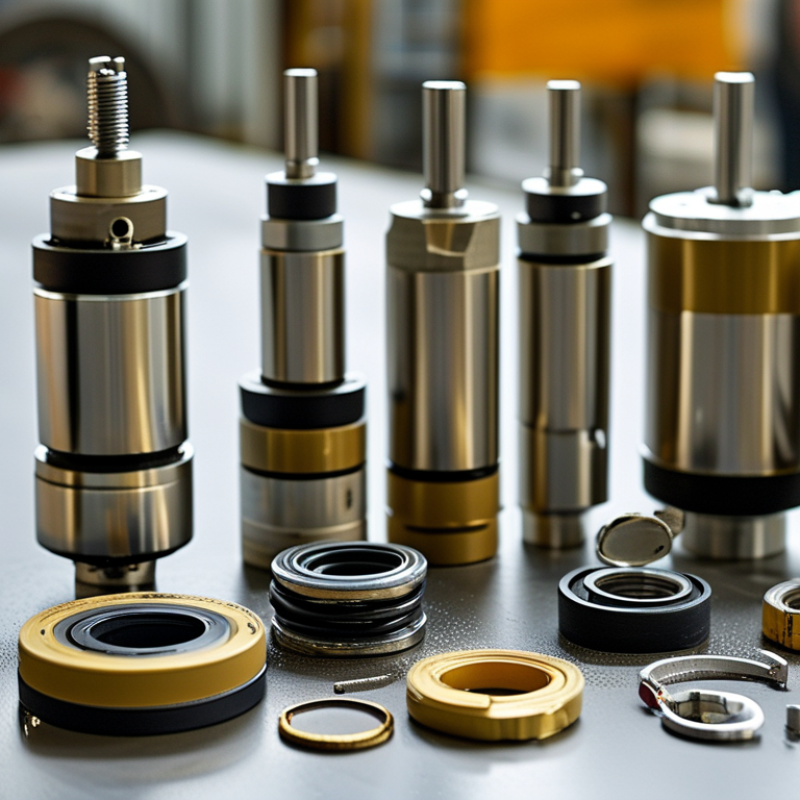
7 Best Pneumatic Actuator Parts for Global Buyers?

What Are Pneumatic Actuator Parts and How Do They Work?

Pneumatic actuator parts convert compressed air into controlled mechanical motion. The main components include the housing, piston, shaft, seals, bearings, springs, and end caps. Each part has a specific role. The housing contains pressure safely. The piston receives air force. The shaft transfers movement to a valve or machine linkage. Seals prevent leakage, while bearings guide the shaft with less friction. Springs provide return movement in single-acting designs. End caps close the chamber and usually contain air ports.

The working process is straightforward. Compressed air enters one port and pushes the piston. The piston then moves the shaft in a linear direction. In rotary actuators, a rack-and-pinion mechanism converts that movement into rotation. A vane mechanism can create rotation directly inside the chamber. Air leaving through the opposite port allows the actuator to reverse. Small pressure changes can affect speed, torque, and positioning. This detail is often underestimated.

In practical maintenance, worn seals commonly appear before major metal damage. Look for air leakage, slower movement, uneven rotation, or unusual noise. Global buyers should check operating pressure, torque output, cycle frequency, temperature range, shaft dimensions, and seal materials. Corrosive environments require stronger surface protection. Dusty sites need dependable sealing. The word “best” is not absolute. A high-torque spring may improve safety but reduce available stroke speed. A compact housing saves space but can limit repair access. Careful matching matters more than appearance. Even experienced teams sometimes select parts from incomplete measurements, and that mistake deserves review before ordering.

7 Best Pneumatic Actuator Parts for Global Buyers? - What Are Pneumatic Actuator Parts and How Do They Work?

No. Pneumatic Actuator Part What It Is How It Works Common Materials Key Selection Factors Typical Inspection Point
1 Cylinder Tube or Body The pressure-containing chamber in which the piston travels. Compressed air enters one side of the tube and creates pressure on the piston, producing linear movement. Anodized aluminum, stainless steel, or coated steel. Bore diameter, stroke length, pressure rating, corrosion resistance, and mounting envelope. Check for dents, internal scoring, corrosion, and air leakage around the tube joints.
2 Piston A movable disc that separates the two air chambers inside the cylinder. The pressure difference between the two sides generates force according to the effective piston area. Aluminum alloy, engineered polymer, or coated steel. Bore compatibility, load force, speed, temperature, and resistance to wear. Look for uneven wear, sticking, reduced force, or bypass leakage across the piston seal.
3 Piston Rod The rod that transfers piston force to an external load or linkage. The rod extends or retracts as air pressure moves the piston, creating linear output motion. Chromium-plated carbon steel, stainless steel, or nickel-plated steel. Rod diameter, stroke, buckling load, side-load exposure, surface hardness, and corrosion environment. Inspect for bending, pitting, scratches, misalignment, and damage to the rod seal.
4 Seals and Wipers Flexible components that retain compressed air and prevent contaminants from entering. Seals maintain an air barrier around the piston and rod while allowing controlled sliding movement. Polyurethane, nitrile rubber, fluorocarbon rubber, or other engineered elastomers. Temperature, air quality, lubricant compatibility, pressure, speed, and chemical exposure. Use a leak test and check for hardened, cracked, swollen, or excessively worn sealing lips.
5 End Caps Front and rear closures that seal the cylinder and provide mounting or port locations. They contain the air pressure and guide the piston rod through the front cap. Aluminum alloy, stainless steel, or coated steel. Port thread standard, mounting style, pressure rating, environmental protection, and serviceability. Check fasteners, cap seals, mounting threads, cracks, and leaks at the end-cap joints.
6 Air Ports and Fittings Threaded or push-in connections that deliver and exhaust compressed air. Directional control valves route air through the ports to extend or retract the actuator. Brass, nickel-plated brass, stainless steel, aluminum, and engineering plastics. Thread standard, tube outside diameter, flow capacity, pressure rating, and installation space. Apply leak-detection fluid and inspect threads, tubing cuts, fitting collets, and connection tightness.
7 Cushioning Components Adjustable needles, cushion sleeves, or air-cushion passages used near the stroke ends. They restrict exhaust air near the end of travel, reducing impact and noise during deceleration. Steel, stainless steel, aluminum, brass, and polymer components. Load inertia, operating speed, stroke length, adjustment range, noise limits, and cycle frequency. Check for hard end-of-stroke impact, inconsistent stopping, blocked passages, or incorrect adjustment.
Buyer’s reference: Pneumatic actuator performance depends on bore size, operating pressure, stroke length, load alignment, air quality, temperature, and the actuator’s mounting arrangement. Always verify dimensions, thread standards, seal materials, and applicable safety requirements before purchasing replacement parts.

How to Choose the Right Pneumatic Actuator Housing and Cylinder

Choosing the right pneumatic actuator housing and cylinder requires more than matching a catalogue drawing. The housing protects internal parts from dust, moisture, and mechanical impact. For outdoor equipment, I usually check aluminum alloy grade, surface treatment, wall thickness, and drain design. A smooth finish looks attractive, but it does not always resist coastal air or chemical washdown. That assumption can become expensive.

The cylinder must match the required torque, pressure, stroke, and operating speed. Bore size affects force, while stroke length controls the valve’s movement range. Confirm the air pressure available at the machine, not only the compressor rating. Seals also deserve close attention. Temperature changes can make ordinary sealing materials hard or swollen. Ask for pressure tests, dimensional reports, material certificates, and clear tolerance data. Useful documentation reduces disputes between suppliers and installers. I have seen buyers focus on unit price, then discover that mounting holes were slightly misaligned. Small errors matter.

For global purchasing, verify thread standards, port direction, spare seal availability, and packaging strength. A cylinder may perform well in a factory but fail after weeks in humid storage. This is easy to overlook. Leave room for inspection and field feedback, because the first specification is rarely perfect. Select suppliers who explain limitations clearly, rather than promising universal compatibility.

7 Best Pneumatic Actuator Parts for Global Buyers: Cylinder Bore and Theoretical Force

The chart compares seven commonly used ISO pneumatic cylinder bore sizes. Theoretical push force is calculated at 6 bar using F = P × A, without friction or efficiency losses. When choosing a pneumatic actuator housing and cylinder, verify the required bore, pressure rating, corrosion resistance, seal compatibility, mounting style, and operating temperature.

Why Seals, O-Rings, and Bearings Matter for Actuator Performance

7 Best Pneumatic Actuator Parts for Global Buyers?

Seals, O-rings, and bearings strongly influence pneumatic actuator performance. They control air pressure, movement, friction, and service life. A worn seal may cause slow cycling or visible air loss. O-rings also need the correct size, hardness, and material for the working environment. Temperature, pressure, moisture, and chemical exposure can change their behavior. Small differences matter.

Bearings support the piston rod and reduce side friction during repeated movement. Poor alignment may create uneven wear, even when the actuator looks properly installed. In field inspections, dirt around the rod often reveals a deeper sealing problem. Buyers should request material data, tolerance information, and tested pressure ratings. Certifications and traceable quality records also improve purchasing confidence. Do not rely on appearance alone.

Tips: Check seals before installation. Keep spare O-rings in clean, sealed packaging. Apply only a lubricant approved for the seal material. Confirm bearing dimensions against the actuator drawing. For global shipments, protect parts from heat, dust, and humidity. A simple inspection checklist helps prevent costly assembly mistakes. I have seen one overlooked O-ring stop an otherwise reliable system. That detail is easy to dismiss, but it deserves more attention.

How Valves, Springs, and Position Indicators Improve Actuator Control

For global buyers, actuator control depends on more than cylinder size. Among seven practical actuator parts, valves, return springs, and position indicators deserve close attention. Each affects response time, fail-safe action, and maintenance accuracy. Small parts matter. A correctly sized valve meters air smoothly, preventing sudden stem movement and damaging shocks. Specify port size, operating pressure, flow coefficient, and compatible seals before ordering.

Springs determine how an actuator behaves when air pressure disappears. A stronger spring is not automatically safer. It may increase closing force while reducing available stroke torque. Check spring range, corrosion resistance, cycle life, and the valve’s required seating force. In humid plants, coated or stainless components can reduce rust around the spring pack. That detail is easy to miss.

Position indicators show open, closed, or intermediate travel. Mechanical indicators suit basic checks, while sensor-ready units support remote monitoring. During selection, match the indicator’s travel range to the actuator shaft, not only the valve diameter. Misalignment can show “closed” while the valve still leaks. That assumption fails.

For quarter-turn assemblies, verify mounting dimensions against the applicable installation standard. Ask for test records, material certificates, and clear installation instructions. I would also question vague claims about universal compatibility. Specifications can look complete, yet omit temperature limits or mounting tolerances. A careful buyer compares these gaps before approving a shipment.

What Global Buyers Should Check Before Purchasing Actuator Parts

7 Best Pneumatic Actuator Parts for Global Buyers?

What Global Buyers Should Check Before Purchasing Actuator Parts

Choosing actuator parts requires more than comparing prices. In field maintenance, a small seal mismatch can stop an entire production line. Check the piston seal, cylinder tube, shaft, bearings, spring, mounting bracket, and air valve carefully. Confirm each part matches the actuator model, bore size, stroke length, and connection standard.

Pressure and temperature ratings deserve close attention. A part rated for 6 bar may fail under repeated pressure spikes. Review material data for corrosion resistance, especially in humid factories or coastal areas. Stainless steel, treated aluminum, and reinforced polymers serve different working conditions. Ask for dimensional drawings, tolerance details, inspection records, and batch traceability. Reliable suppliers should provide clear answers, not vague promises.

Packaging and transport conditions also matter. Seals can harden after long storage, while threaded parts may arrive damaged. Request protective packaging and realistic lead times. Confirm replacement parts are interchangeable without modifying the actuator. That shortcut can create safety risks. I have seen buyers focus on delivery speed and overlook spring direction or shaft alignment. It was an expensive lesson. A practical purchase check should include sample testing, documented pressure tests, warranty terms, and technical support across time zones. Mistakes still happen, so leave room for verification before placing a large order.

Powder Coat Booths

For those larger-sized parts, or smaller quantity runs, we have 2 independent powder coat booths and ovens. The quality, durability and affordability of today’s powder coating finishes make this the process of choice for world-class companies.

Powder coating advantages over other forms of coating are many. Materials used in the Powder coating process can be metals and non-metals that come in a multitude of thicknesses, textures, colors, etc. Another of Powder coating’s biggest advantages over conventional coatings is its ability to create finishes in many different textures. Powder Coating Booths allow us the ability to apply these advantages to large products.

Wet Paint Line

Tri-State Fabricators runs a full-service conveyor line for painting. Wet painting can provide protection or decoration to many different part styles. From start to finish, every project is easier to undergo random and point-based inspection by our skilled painting team.

Advantages to our Wet Paint Line are these lines start with product prep and ends with a thorough inspection of a high quality finished product. Our ability to complete large and small projects with a superior finish and doing so in a timely and economical fashion. This passes along the savings in production to our customers. When powder coating ins not an option, our Wet Paint Line gets the job done right the first time.

Wet Paint Booths

When the parts get big and heavy we roll-out our custom paint racks and oversize booth. By utilizing our partnerships with all the major paint brands, we can match virtually any color with wet paint.

The advantages of having access to a Wet Paint Booth are many. Large projects of many different shapes can be loaded into the booth. The Wet Paint Booth offers an environment that is much more controlled than a typical parts painting operation.

Not only are they used because of their controlled environment, but they’re are also advantageous when it comes to applying paint to parts that are needed in industries that require specialty coatings such as medical, aerospace, etc.

Military CARC

Our military forces have some very high standards when it comes to the finish of their vehicles and equipment. From the first pre-treatment step to final coat, it takes a great deal of knowledge and experience to protect the men and women of our armed forces. They deserve only the best, and Tri-State Fabricators provides it.

All of our processes are closely monitored by our staff and management teams. Both of which are highly trained in the processes of metal fabrication and finishing. Tri-State Fabricators’ goal is to always fully satisfy each and every customer, including the military. We will always put a 110% into what we do.

Glass-Bead Blasting

Abrasive media blasting is an excellent way to remove old paint, rust, and increase the paint/powder adhesion. Glass beads produce a much smoother and brighter finish than angular abrasives; leaving the part clean yet without any dimensional change. Chemically inert and environmentally friendly, we can recycle our beads approximately 30 times; making them a more preferred method of metal cleaning or surface finishing.

Advantages to Glass Bead Blasting are many. Glass bead blast media is used when a project is needing rough surfaces need to become smooth for applications of coatings such as paint. It is typically used to clean paint and rust from a product surface without deforming the surface it is being used on. Overall, compared to many other blasting media, Glass Bead Blasting is a very economical choice and those savings are always passed on to our customers.

Part Washing

Tri-State Fabricators utilize a zinc phosphate wash to clean and etch the material to ensure the best paint adhesion possible. The unique design of our 3-stage wash system does the work like a 5-stage. From Cleaning and rinsing to conversion coating and post-treatment, Our Part Washing process is a complete service and works throughout the fabrication service and the finishing service.

Along with the previously mentioned benefits, Curing is a vital chemical reaction that leaves the product finish hard and relatively safe from mild abrasion and aggressive corrosion. This process can be done in more than one way; ambient air-dry or in curing ovens at temps that exceed 240°.

Burn-Off Oven

From fixing paint mistakes (someone else’s of course) to simply cleaning our paint line hooks, our burn-off oven is put to good use. After a quick burn-off, a little clean up, and a fresh coat of paint, your parts will look better than new.

Why does our Burn-Off Oven work so well? Because super heating the air around parts turns the materials into ashes. From paint and powder coatings to rubber and machining oils, high temps do the job without degrading the integrity of the part.

Masking

Masking is a vital part of producing high quality products. We have die-cut masking patterns to protect machined surfaces as well as a wide range of plugs and caps to protect threaded holes and bolts. We provide permanent and temporary masking.

Masking allows the selected sections of a product to be protected from a fabrication or finishing service. This can be with both chemicals when etching and tapes, paints when only finishing just a section of the product. Masking is great in aiding the customization process of a project.

Screen Printing

Screen printing is a photographic process that transfers artwork onto a porous nylon screen which allows colored ink to flow through the screen and be deposited on an aluminum or plastic component. We can generally have just about any design created onto a screen for your parts.

Some of the advantages of Screen Printing are, brand recognition for your business displaying on your products, assembly instructions, product warnings/hazards, etc. Tri-State Fabricators produces Screen Printing of the highest quality so you know it’s durable.

Metal Finishing

Metal Finishing is the art of treating the exterior portion of product, often metal but can also be made of other materials, so that the surface is clean and free of any debris. Then the process of applying coats or either paint of powder coat takes place. This coating process improves the quality of the product in both appearance and resistance to wear and corrosion.

Tri-State Fabricators, Inc., understands that a project typically isn’t complete until a high-quality finish has been added to your product. This is why our painting and powder coating teams continuously inspect the products throughout the Metal Finishing process.


