7 Best Oilseed Pretreatment Equipment Manufacturers?
Choosing among the 7 Best oilseed pretreatment equipment Manufacturers requires more than comparing catalog prices. Pretreatment affects pressing efficiency, meal quality, oil yield, maintenance, and daily operating costs. A reliable Oilseed Pretreatment Equipment Manufacturer should understand the complete preparation line, from cleaning and magnetic separation to dehulling, cracking, flaking, and cooking.
Real performance appears on the factory floor. Soybeans may enter with uneven moisture, while sunflower seeds can carry stubborn hulls and fine dust. A suitable system should handle these changes without creating excessive heat or unstable feed rates. Operators should examine throughput data, energy consumption, temperature control, wear-part life, and cleaning access. Small details matter.
This guide evaluates seven leading manufacturers through practical and technical criteria. It considers equipment design, process experience, testing capability, automation, installation support, and after-sales service. Factory references can reveal more than polished brochures. Ask whether the supplier has processed similar seeds, not just whether its machines look impressive.
No ranking is perfect. Results vary.
Some manufacturers excel at compact systems, while others serve large industrial plants. Buyers should also verify material compatibility, spare-part availability, documentation quality, and local technical support. A strong supplier will explain limitations clearly and recommend suitable trials before final selection. That honesty is valuable. The best choice is not always the largest company or the cheapest proposal. It is the partner that delivers stable pretreatment results under your actual raw-material conditions.
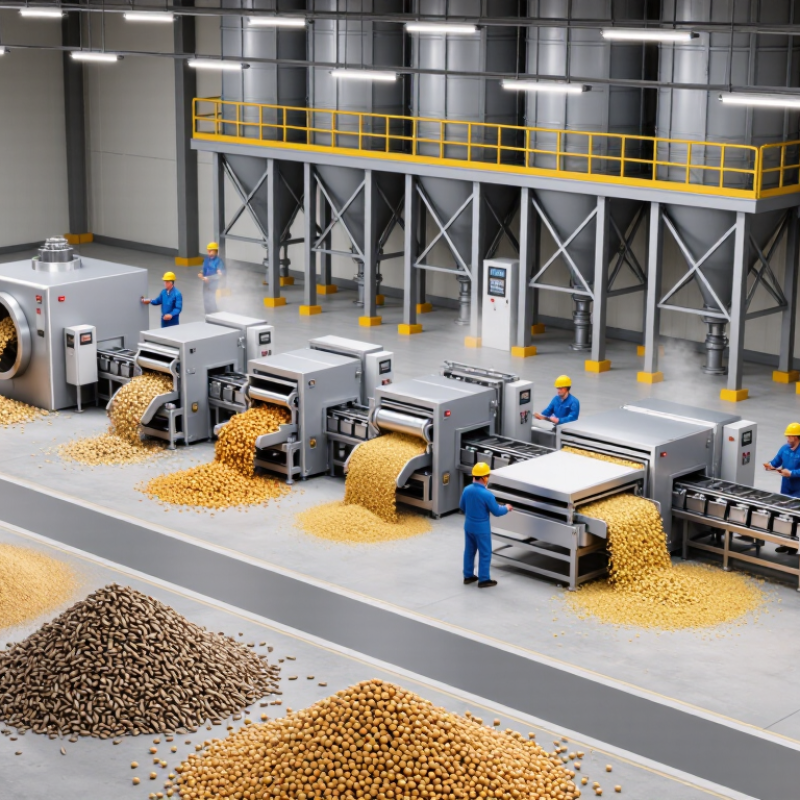
What Is Oilseed Pretreatment Equipment and Why Is It Important?
Oilseed pretreatment equipment prepares seeds before pressing or solvent extraction. It usually includes cleaning, magnetic separation, dehulling, crushing, conditioning, and flaking units. Each stage changes how efficiently oil and protein can be recovered.
In practice, clean seeds protect downstream machinery from stones, dust, and metal fragments. Crushers reduce seed size, while flakers create thin particles with better heat transfer. Conditioning then adjusts moisture and temperature, often through controlled steam heating. This softens the material and helps oil move from cells during pressing. Poor temperature control can darken the meal or reduce oil quality. The details matter.
Pretreatment equipment is important because extraction performance begins before the main extractor. A properly prepared seed bed improves throughput, reduces energy waste, and supports more stable production. Operators should check feed uniformity, bearing noise, vibration, and flake thickness during each shift. A simple sample tray can reveal uneven crushing or excessive powder. No machine is perfect.
When comparing manufacturers, buyers should examine process experience, material quality, maintenance access, and documented test results. Equipment should match seed type, capacity, moisture range, and local operating conditions. A supplier that only quotes motor power may overlook the complete process. That is a warning sign. I would also request installation guidance, spare-part availability, and realistic performance data. Claimed oil recovery may change with seed variety and operator skill, so factory results need careful interpretation.
Key Functions and Technologies Used in Oilseed Pretreatment
Oilseed pretreatment equipment determines how efficiently seeds become clean, stable flakes or conditioned meal. USDA’s Oilseeds: World Markets and Trade report places global soybean production near 421 million metric tons in 2024/25. That scale makes small losses significant. Cleaning systems remove stones, dust, and metal through screens, aspiration, and magnets. Dehulling can reduce fiber and improve meal quality, although excessive impact may damage valuable cotyledons.
Cracking and flaking increase surface area before extraction. Modern roller mills control flake thickness within tight limits, while steam conditioners adjust moisture and temperature. For many soybean lines, conditioning near 60–70°C supports cell rupture without excessive protein denaturation. Expander systems may also improve solvent penetration and reduce residual oil in meal. Energy matters. The International Energy Agency reports that industrial motors can represent a major share of plant electricity use, so variable-speed drives and efficient conveyors deserve attention.
Operators now combine PLC controls, inline temperature sensors, and near-infrared testing. These tools can detect moisture variation before it becomes a pressing problem. Still, sensors are not magic. Poor calibration, uneven seed size, or clogged screens can distort results. FAO data also show broad differences in oilseed quality across regions and seasons. Pretreatment settings must therefore follow actual seed condition, not only a fixed recipe. A practical inspection includes checking flake thickness, steam distribution, magnet loading, and meal temperature at regular intervals. Small details matter.
7 Leading Oilseed Pretreatment Equipment Manufacturers
7 Best Oilseed Pretreatment Equipment Manufacturers?
The seven leading oilseed pretreatment equipment manufacturers usually differ in engineering depth, not just machine size. Reliable suppliers often design complete lines for cleaning, destoning, dehulling, cracking, conditioning, and flaking. Each stage affects extraction efficiency. Poor dehulling may increase fiber. Uneven flaking can reduce solvent contact or mechanical pressing performance.
Strong manufacturers provide equipment matched to seed type, moisture, and daily capacity. Soybean, rapeseed, sunflower, and cottonseed require different preparation settings. Look for adjustable roll gaps, stable steam conditioning, corrosion-resistant contact surfaces, and easy access for inspection. A practical supplier should also offer process testing, installation guidance, spare parts, and operator training. These details often matter more than polished brochures.
Field evaluations show that dependable pretreatment lines maintain consistent temperature and moisture across the material bed. Sensors should monitor both, not only outlet temperature. Maintenance access matters too. A blocked screen or worn flaking roll can stop production quickly. Still, no ranking is permanent. A manufacturer praised for large soybean plants may perform poorly on smaller, multi-seed facilities. I would question any supplier promising maximum oil yield without discussing seed quality, seasonal variation, and operator skill. Real performance needs recorded trials, clear specifications, and measurable results from comparable installations.
Choosing the Right Manufacturer for Your Processing Needs
Choosing the right oilseed pretreatment equipment manufacturer requires more than comparing purchase prices. The best choice depends on your seed type, daily capacity, moisture range, and extraction method. A supplier experienced with soybeans may not understand cottonseed, rapeseed, or sunflower processing. Ask for documented projects with similar materials. Real operating evidence matters.
Evaluate seven areas carefully:
cleaning systems, dehulling equipment, cracking mills, cooking units, flakers, conveyors, and technical support. Each component should match the next process stage. Poor flake thickness can reduce oil recovery and increase energy use. Request material samples, process diagrams, and test results before signing. Small details matter.
Inspect the manufacturer’s engineering depth, fabrication quality, spare-parts access, installation training, and after-sales response. Visit a working facility if possible. Listen for unusual vibration near bearings. Check steam control around the cooker. Ask how quickly worn screens or rollers can be replaced. References should come from operators, not only sales teams.
Be realistic about limitations.
A larger machine is not always better for a variable feedstock. A lower quotation may exclude commissioning, insulation, or operator training. I would also question impressive guarantees without clear testing conditions. Your own process data may be incomplete, and that can lead to a poor specification. Share honest measurements, then require the manufacturer to explain its assumptions in writing.





