


Choosing among the 7 Best Gas Generator Sets for Global Buyers requires more than comparing engine size or purchase price. A reliable Gas Generator Set must match the site, fuel, workload, climate, and maintenance capacity. A 500 kW unit may perform well in a European factory, yet struggle at high altitude or under tropical heat. Small details matter. Fuel pressure, methane content, cooling design, and spare-parts access can change the real result.
Energy systems expert Michael E. Webber has said, “Energy is the only universal currency.” That idea fits generator selection closely. Buyers are not only purchasing equipment. They are purchasing operating hours, predictable output, service support, and acceptable emissions performance. This guide examines leading gas generator sets through practical criteria, including electrical efficiency, continuous and standby ratings, load response, noise, monitoring systems, and lifecycle cost. Manufacturer reputation also matters, but it should not replace independent verification.
No single model wins every project. That is the uncomfortable part. A high-efficiency unit may require cleaner fuel and stronger technical support. A lower-priced package may create higher maintenance costs later. Our comparison therefore considers real-world limitations, not only brochure figures. Readers should still confirm local grid rules, fuel specifications, environmental requirements, warranty conditions, and installation standards before purchasing. The best choice is the set that remains dependable when the load changes, the temperature rises, and help is not nearby.
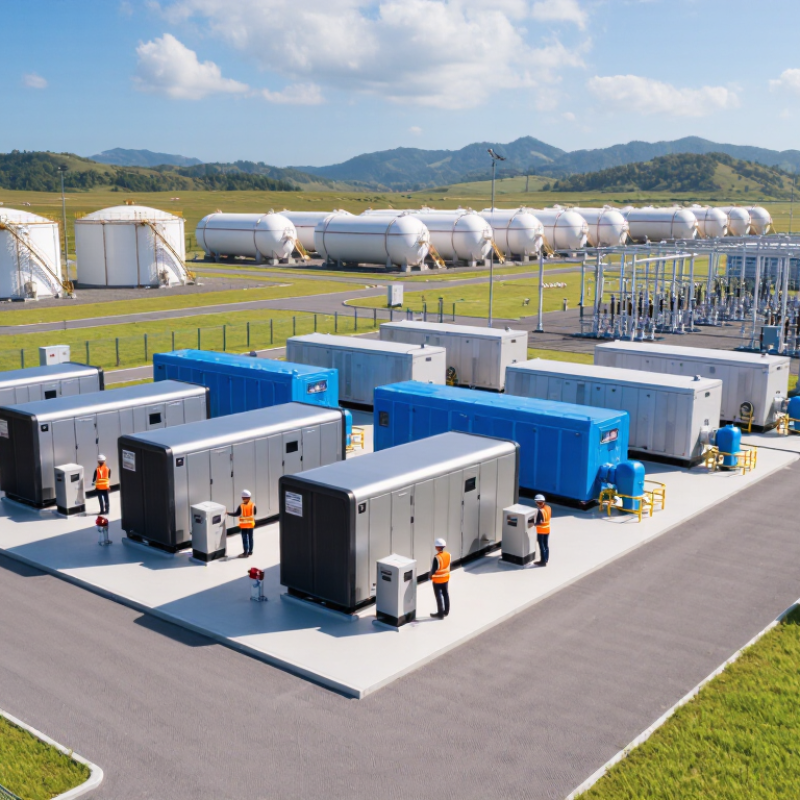
A gas generator set converts fuel energy into dependable electrical power. It usually combines a gas engine, an alternator, a control panel, and protective systems. Natural gas, biogas, or another approved gaseous fuel enters through a regulated fuel train. The engine mixes fuel with air and burns it inside cylinders. This combustion moves pistons and turns a crankshaft.
The crankshaft drives the alternator rotor. As the rotor spins, electromagnetic induction produces electricity for buildings, factories, farms, or temporary facilities. The controller adjusts engine speed and voltage while monitoring temperature, oil pressure, frequency, and electrical load. If a serious fault appears, automatic shutdown protects the equipment and nearby workers.
Site conditions matter more than many buyers expect. A unit rated for sea level may produce less power at high altitude or in extreme heat. Fuel pressure, gas quality, ventilation, noise limits, and local connection rules also affect performance. One detail is easy to underestimate: standby and continuous ratings are not interchangeable. A refrigeration warehouse, for example, may need extra capacity for compressor starting current.
In my experience, correct sizing begins with measured loads, not a quick guess from connected equipment labels. Poorly maintained filters or unstable gas supply can cause rough running and unexpected downtime. Even advanced controls cannot fix an undersized installation. Regular inspections, certified technicians, and documented maintenance records make operation safer and more predictable. There is no perfect setup. Each project deserves a careful review.
Typical electrical efficiency by generator output class under rated operating conditions
Gas generator sets convert the chemical energy of natural gas, biogas, or other gaseous fuels into electricity through combustion in an engine or turbine. Larger units generally achieve higher electrical efficiency because of improved engine design, thermal management, and operating optimization. Actual results vary with gas quality, load factor, altitude, ambient temperature, and maintenance condition.
How to Compare the Seven Best Gas Generator Set Types
Gas generator sets differ mainly by fuel quality, supply stability, and engine design. Natural gas units usually provide clean combustion and predictable maintenance when pipeline pressure remains stable. Propane sets suit remote sites with storage tanks, but fuel delivery can become expensive during cold weather. Biogas models can use farm, food, or wastewater gas, although moisture and hydrogen sulfide require careful treatment.
Landfill-gas generators offer useful on-site power, but methane levels can change daily. Coal-mine methane units need detailed gas monitoring and dependable ventilation controls. Syngas generators can use gas from biomass or industrial processes, yet their low heating value often demands larger engines. Hydrogen-blend sets may reduce carbon intensity, but buyers must confirm approved blend limits and local regulations.
Compare each type by electrical output, fuel pressure, methane number, start-up time, and expected running hours. Check whether the engine accepts variable gas composition. This detail is easy to overlook. Ask for documented emissions data, service intervals, spare-parts access, and acoustic performance under load. A site survey should measure ambient temperature, altitude, ventilation, and available space around the set. Those details affect real output.
A low purchase price can hide filtration, compression, or tank costs. A spreadsheet can mislead. Review three operating scenarios: normal supply, poor-quality gas, and temporary fuel interruption. Then compare lifecycle cost, not only rated kilowatts. Performance may also decline after years of neglected maintenance, even when the original specification looked impressive.
Key Performance, Fuel, and Emission Factors for Global Buyers
The seven strongest options include natural-gas, biogas, LPG, dual-fuel, lean-burn, high-efficiency, and hybrid generator sets. Each serves a different operating condition. Natural gas suits stable pipelines and continuous power. LPG helps remote sites with stored fuel. Biogas can support farms, wastewater plants, and food-processing facilities. Dual-fuel sets offer flexibility when gas pressure changes. Hybrid systems can reduce running hours and fuel waste.
Check prime power, standby output, voltage, frequency, and load response. A 500 kW set may not deliver 500 kW continuously. Altitude, humidity, and high temperatures can reduce output. At a hot site, derating may become significant. Ask for performance data at your actual ambient conditions. During commissioning, measure fuel pressure, exhaust temperature, vibration, and voltage stability. Small details matter.
Emissions require closer attention than a simple compliance label. Compare nitrogen oxides, carbon monoxide, particulate matter, and methane slip. Lean-burn engines may lower fuel use, but results depend on load and maintenance. Catalysts need correct temperatures and regular inspection. Biogas quality can vary daily, especially when moisture or sulfur control is weak. That weakness is often underestimated. Local grid rules, fuel standards, noise limits, and reporting duties also differ across countries. A reliable purchase decision needs verified test reports, service access, spare-parts planning, and transparent warranty conditions.
Gas generator sets remain useful for hospitals, data centers, factories, and remote construction sites. IEA’s Electricity 2024 report shows gas-fired power supplied roughly one-fifth of global electricity in 2023. That scale matters. Buyers should match the set to load profile, fuel quality, altitude, and operating hours. A standby unit may need fast starting, while a prime-power unit needs durable cooling and service access. Do not size only by rated kilowatts. Motors, pumps, and compressors can create sharp starting surges.
Installation requirements differ by region. In the United States, spark-ignition engines may fall under EPA NSPS requirements, with different rules for emergency and non-emergency operation. In Europe, stationary combustion plants between 1 and 50 MW may face Medium Combustion Plant Directive controls, permits, and monitoring. Hazardous-area sites may also require equipment certified for explosive atmospheres. Local grid codes can affect synchronization, power factor, protection relays, and export limits. Noise barriers, exhaust routing, ventilation, and gas-leak detection need early engineering. Small oversights become expensive.
Tips: Request written confirmation of local emissions limits, gas pressure, electrical standards, and inspection duties. Check ISO 8528 performance data, but verify the actual site conditions. A catalogue rating is not a field guarantee. The Global Energy Monitor reported continued growth in gas-power capacity, yet fuel-price exposure remains a serious planning weakness. Consider dual-fuel readiness or battery support where supply interruptions are common. Some projects still ignore maintenance staffing. That decision rarely ages well.
| No. | Generator Set Type | Typical Electrical Output | Recommended Fuel | Best-Fit Applications | Typical Electrical Efficiency | Installation Requirements | Key Fuel and Gas-Quality Needs | Regional Compliance Considerations | Main Selection Advantage |
|---|---|---|---|---|---|---|---|---|---|
| 1 | Small Natural-Gas Standby Set Spark-ignited, liquid-cooled package | 30–100 kWe | Pipeline natural gas Optional propane or LPG configuration | Small commercial buildings, clinics, retail facilities, telecommunications sites, farms, and residential backup power. | Approximately 28–36% | Level concrete foundation, outdoor weatherproof enclosure or ventilated plant room, automatic transfer switch, exhaust routing, combustion-air openings, and safe gas shut-off valves. Allow clearance for radiator airflow and maintenance access. | Stable gas pressure, clean and dry fuel, suitable methane number, and a properly sized gas train with pressure regulation and leak protection. | Confirm local electrical installation rules, standby-power requirements, noise limits, gas-piping codes, fire separation, and emissions limits. In the United States, stationary engines may fall under EPA rules such as NSPS JJJJ depending on size, fuel, and operating status. | Compact footprint, fast automatic backup operation, and relatively simple fuel storage requirements compared with diesel systems. |
| 2 | Commercial Gas CHP Set Combined heat and power package | 150–500 kWe | Natural gas Renewable gas may be used after treatment and verification | Hotels, hospitals, universities, office complexes, supermarkets, sports centers, and district heating substations with year-round thermal demand. | Approximately 35–42% | Provide a heat-recovery loop, plate heat exchanger, circulation pumps, expansion vessel, flue-gas system, acoustic treatment, ventilation, and controls that coordinate electrical and thermal loads. A heat sink is required when recovered heat cannot be used. | Gas pressure and composition must remain within the engine manufacturer's limits. Include filtration, condensate management, gas detection, and isolation valves. | Check local CHP permitting, building and pressure-vessel rules, grid-parallel interconnection requirements, sound limits, and emissions permits. European projects may also need to address applicable EU emissions, ecodesign, electrical, and gas-appliance requirements as implemented nationally. | High total fuel utilization, often reaching approximately 75–90% when useful heat is fully recovered. |
| 3 | Medium Industrial CHP Set Continuous-duty gas engine system | 0.8–2.0 MWe | Natural gas Pipeline-quality renewable methane where approved | Food processing, manufacturing plants, cold-storage facilities, process industries, wastewater treatment campuses, and industrial microgrids. | Approximately 40–46% | Dedicated engine room or containerized module, reinforced foundation, high-capacity ventilation, combustion-air and radiator-air design, exhaust backpressure control, fire protection, medium-voltage switchgear, synchronization controls, and lifting access. | Require a verified gas composition, adequate supply capacity during peak operation, low moisture and contaminant levels, and protection against siloxanes, hydrogen sulfide, heavy hydrocarbons, or particulates when non-pipeline gas is considered. | Continuous operation normally requires an air-emissions permit, stack testing or monitoring, occupational safety controls, and grid-interconnection approval. Applicable requirements may include EU industrial-emissions rules, U.S. federal and state air permits, or equivalent national frameworks. | Strong balance between electrical efficiency, process-heat recovery, and dependable base-load operation. |
| 4 | Landfill-Gas Generator Set Low-pressure renewable-gas engine package | 0.5–2.0 MWe per unit | Landfill gas Typically methane-rich gas with variable composition | Landfill gas recovery projects, renewable-power plants, waste-management facilities, and local microgrids. | Approximately 34–42% | Install gas collection headers, condensate traps, blowers, gas cooling, filtration, moisture removal, flare or bypass arrangements, fire and explosion protection, and adequate separation from waste-gas hazards. Plan for periodic engine cleaning. | Gas treatment is essential. Hydrogen sulfide, siloxanes, moisture, volatile organic compounds, and particulates can damage valves, pistons, catalysts, and lubricating oil. Gas quality should be continuously checked. | Projects may require landfill-gas collection and control compliance, renewable-energy certification, air permits, odor controls, hazardous-area assessment, and methane management. Requirements differ significantly between the EU, United States, Canada, Australia, and national waste-regulation systems. | Converts a difficult waste stream into dispatchable electricity while reducing uncontrolled methane emissions from the landfill. |
| 5 | Anaerobic-Digester Biogas Set Agricultural or wastewater renewable-energy package | 0.3–1.5 MWe per unit | Digester biogas Methane content commonly varies with feedstock and process control | Farms, food-waste digesters, municipal wastewater plants, dairies, breweries, and organic-waste treatment facilities. | Approximately 32–42% | Provide a gas holder or buffer volume, desulfurization, gas drying, particulate removal, flame arrestors, emergency flare, ventilation, classified electrical equipment where required, and heat recovery for digester temperature control. | Maintain stable methane concentration and pressure. Hydrogen sulfide, water vapor, ammonia, siloxanes, and foam carryover should be controlled before the gas reaches the engine. | Check renewable-gas, waste-management, wastewater, odor, fire-safety, and air-quality permits. Grid export may require synchronization protection, anti-islanding functions, power-quality testing, and utility approval. | Particularly suitable where recovered engine heat can maintain digester temperature, improving overall site energy efficiency. |
| 6 | Remote Microgrid Gas Generator Set Prime-power or hybrid-capable modular system | 1–5 MWe per unit | Natural gas Renewable methane or treated associated gas where available | Remote industrial sites, island grids, mining operations, large construction camps, isolated communities, and hybrid solar-plus-storage systems. | Approximately 38–45% | Use skid or containerized installation with fuel-gas conditioning, black-start capability, load-sharing controls, synchronization equipment, battery or spinning-reserve support, grounding system, spare-parts storage, and protection against dust, heat, humidity, and corrosive environments. | Gas supply reliability is critical. Include pressure monitoring, automatic fuel isolation, filtration, gas heating when required, and dual-fuel or backup-fuel planning if pipeline interruptions are likely. | Verify local rules for isolated grids, generator emissions, electrical protection, hazardous locations, transportable equipment, and worker safety. Equipment may need certification for tropical, desert, high-altitude, or cold-climate operation. | Efficient prime power with flexible integration alongside renewables and battery storage, reducing fuel consumption during variable loads. |
| 7 | Large Utility-Scale Gas Engine Set Multi-unit power-station configuration | 5–20 MWe per unit | Pipeline natural gas Renewable methane may be blended subject to fuel specifications | Peaking plants, balancing power, utility-scale distributed generation, industrial power parks, and high-renewable grids requiring flexible dispatch. | Approximately 44–50% | Requires a complete power-plant design: multiple engine foundations, high-voltage switchyard, gas metering station, pressure-reduction and heating system, exhaust stacks, selective catalytic reduction or oxidation catalyst where required, fire protection, water systems, control room, and maintenance lifting equipment. | Secure pipeline capacity, gas-quality monitoring, pressure stability, metering accuracy, and emergency shut-down systems. Fuel flexibility must be confirmed through engine testing and formal approval. | Large projects typically require environmental impact review, air-quality permitting, grid-code compliance, protection coordination, noise assessment, and construction approval. Requirements may involve EU industrial-emissions legislation, U.S. EPA and state rules, or equivalent national utility regulations. | Fast start-up, strong part-load flexibility, high availability through modular redundancy, and effective support for grids with intermittent renewable generation. |
| Buyer note: Actual output, efficiency, emissions, gas pressure, and maintenance intervals depend on altitude, ambient temperature, fuel composition, duty cycle, engine configuration, and local permitting conditions. Final selection should be based on a site-specific feasibility study and the applicable national and local codes. | |||||||||
Choosing the right gas generator set starts with the project, not the advertised output. Match the set to your load profile, operating hours, and local fuel supply. For stable utility support, a natural gas set may provide clean, continuous power. LPG models suit remote sites with stored fuel. Biogas sets can serve farms, treatment plants, and food-processing facilities. Dual-fuel systems offer flexibility when gas pressure changes. Small mobile sets fit temporary construction work. Containerized sets protect equipment in harsh weather. High-capacity parallel systems support hospitals, factories, and data facilities.
Measure the real load. Motors may demand three times their running current during startup. Record peak demand, power factor, altitude, ambient temperature, and future expansion. Gas quality also matters. Methane content, pressure, moisture, and contaminants can affect engine life. Ask for documented fuel requirements and tested performance, not only a brochure rating. A 500 kW set may deliver less power at a hot, high-altitude site.
Check emissions rules, noise limits, electrical standards, and inspection requirements before ordering. Confirm spare-parts access and technician response times in the destination country. Require factory testing, protection settings, wiring diagrams, and maintenance schedules. Site acceptance testing should include load steps and emergency shutdown checks. Paper specifications can mislead. I have seen projects overlook gas pressure, then redesign the fuel train later. Build a margin, but avoid excessive oversizing. It can cause poor loading, inefficient fuel use, and unnecessary expense.



For those larger-sized parts, or smaller quantity runs, we have 2 independent powder coat booths and ovens. The quality, durability and affordability of today’s powder coating finishes make this the process of choice for world-class companies.
Powder coating advantages over other forms of coating are many. Materials used in the Powder coating process can be metals and non-metals that come in a multitude of thicknesses, textures, colors, etc. Another of Powder coating’s biggest advantages over conventional coatings is its ability to create finishes in many different textures. Powder Coating Booths allow us the ability to apply these advantages to large products.
Tri-State Fabricators runs a full-service conveyor line for painting. Wet painting can provide protection or decoration to many different part styles. From start to finish, every project is easier to undergo random and point-based inspection by our skilled painting team.
Advantages to our Wet Paint Line are these lines start with product prep and ends with a thorough inspection of a high quality finished product. Our ability to complete large and small projects with a superior finish and doing so in a timely and economical fashion. This passes along the savings in production to our customers. When powder coating ins not an option, our Wet Paint Line gets the job done right the first time.
When the parts get big and heavy we roll-out our custom paint racks and oversize booth. By utilizing our partnerships with all the major paint brands, we can match virtually any color with wet paint.
The advantages of having access to a Wet Paint Booth are many. Large projects of many different shapes can be loaded into the booth. The Wet Paint Booth offers an environment that is much more controlled than a typical parts painting operation.
Not only are they used because of their controlled environment, but they’re are also advantageous when it comes to applying paint to parts that are needed in industries that require specialty coatings such as medical, aerospace, etc.
Our military forces have some very high standards when it comes to the finish of their vehicles and equipment. From the first pre-treatment step to final coat, it takes a great deal of knowledge and experience to protect the men and women of our armed forces. They deserve only the best, and Tri-State Fabricators provides it.
All of our processes are closely monitored by our staff and management teams. Both of which are highly trained in the processes of metal fabrication and finishing. Tri-State Fabricators’ goal is to always fully satisfy each and every customer, including the military. We will always put a 110% into what we do.
Abrasive media blasting is an excellent way to remove old paint, rust, and increase the paint/powder adhesion. Glass beads produce a much smoother and brighter finish than angular abrasives; leaving the part clean yet without any dimensional change. Chemically inert and environmentally friendly, we can recycle our beads approximately 30 times; making them a more preferred method of metal cleaning or surface finishing.
Advantages to Glass Bead Blasting are many. Glass bead blast media is used when a project is needing rough surfaces need to become smooth for applications of coatings such as paint. It is typically used to clean paint and rust from a product surface without deforming the surface it is being used on. Overall, compared to many other blasting media, Glass Bead Blasting is a very economical choice and those savings are always passed on to our customers.
Tri-State Fabricators utilize a zinc phosphate wash to clean and etch the material to ensure the best paint adhesion possible. The unique design of our 3-stage wash system does the work like a 5-stage. From Cleaning and rinsing to conversion coating and post-treatment, Our Part Washing process is a complete service and works throughout the fabrication service and the finishing service.
Along with the previously mentioned benefits, Curing is a vital chemical reaction that leaves the product finish hard and relatively safe from mild abrasion and aggressive corrosion. This process can be done in more than one way; ambient air-dry or in curing ovens at temps that exceed 240°.
From fixing paint mistakes (someone else’s of course) to simply cleaning our paint line hooks, our burn-off oven is put to good use. After a quick burn-off, a little clean up, and a fresh coat of paint, your parts will look better than new.
Why does our Burn-Off Oven work so well? Because super heating the air around parts turns the materials into ashes. From paint and powder coatings to rubber and machining oils, high temps do the job without degrading the integrity of the part.
Masking is a vital part of producing high quality products. We have die-cut masking patterns to protect machined surfaces as well as a wide range of plugs and caps to protect threaded holes and bolts. We provide permanent and temporary masking.
Masking allows the selected sections of a product to be protected from a fabrication or finishing service. This can be with both chemicals when etching and tapes, paints when only finishing just a section of the product. Masking is great in aiding the customization process of a project.
Screen printing is a photographic process that transfers artwork onto a porous nylon screen which allows colored ink to flow through the screen and be deposited on an aluminum or plastic component. We can generally have just about any design created onto a screen for your parts.
Some of the advantages of Screen Printing are, brand recognition for your business displaying on your products, assembly instructions, product warnings/hazards, etc. Tri-State Fabricators produces Screen Printing of the highest quality so you know it’s durable.
Metal Finishing is the art of treating the exterior portion of product, often metal but can also be made of other materials, so that the surface is clean and free of any debris. Then the process of applying coats or either paint of powder coat takes place. This coating process improves the quality of the product in both appearance and resistance to wear and corrosion.
Tri-State Fabricators, Inc., understands that a project typically isn’t complete until a high-quality finish has been added to your product. This is why our painting and powder coating teams continuously inspect the products throughout the Metal Finishing process.