2026 Top Wireless Sensor Types for Global Buyers
Wireless sensing is no longer a niche choice for factories, farms, buildings, or logistics teams. In 2026, global buyers can choose from sensors that measure temperature, humidity, pressure, motion, vibration, light, gas, soil conditions, and more. Each type answers a different question. Is a cold room staying within its target range? Is a pump developing unusual vibration? Is soil moisture changing across a field? The right Wireless Sensor turns a physical condition into useful data, often without extensive cabling.
This guide introduces the leading sensor types and the applications they suit. It also considers practical details that product lists can overlook: measurement range, accuracy, battery life, installation, network coverage, and performance in heat, dust, or moisture. A sensor may support Bluetooth, Wi-Fi, cellular, or a low-power wide-area network, but no connection method fits every site. Small details matter. A metal wall, a distant gateway, or frequent reporting can change real-world performance. Buyers should check technical specifications and test devices under representative conditions before making a large purchase. Not always. A higher specification does not automatically mean a better fit. Regional availability, integration requirements, and after-sales support can also affect total cost and reliability. The comparisons ahead offer a starting point, not a universal ranking; the best choice depends on what you need to measure and where the sensor will operate.
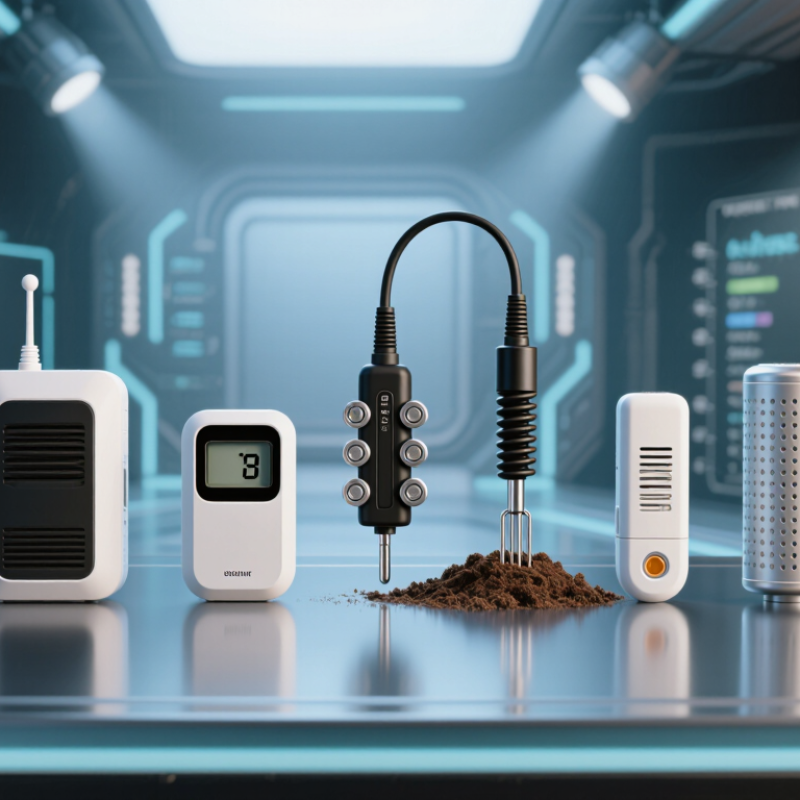
Understanding Wireless Sensors and Their Core Components
A wireless sensor measures a physical condition and sends the reading without a direct signal cable. Common types monitor temperature, humidity, pressure, vibration, or movement. A temperature sensor in a cold-storage room, for example, may report small changes that help staff spot a failing door seal. The sensor type should match the material, range, and response time the application requires.
Inside the unit, a sensing element detects change. Signal-conditioning circuitry filters or strengthens its output, while a converter and processor turn it into usable data. A radio then transmits readings to a receiver or gateway. Batteries, an antenna, and a protective enclosure complete the practical package. Small details matter. A metal enclosure can weaken radio signals, and a fast reporting interval can drain a battery sooner than expected.
Buyers should check measurement accuracy, communication range, operating temperature, and expected battery life under real conditions. A specification sheet rarely captures every obstacle. Concrete walls, nearby machinery, and sensor placement can affect performance, so a site test is useful before a large installation. I have seen teams focus on transmission distance and overlook calibration intervals; that choice can make reliable-looking data less trustworthy over time. Decide how readings will be checked and maintained, not only how they will be sent.
How Wireless Sensors Collect and Transmit Data
A wireless sensor turns a physical change into a digital reading.
A temperature probe, for example, detects heat through a sensing element and converts that response into an electrical signal. The device samples the signal at set intervals, then uses onboard electronics to convert it into data. Some sensors also apply basic filtering, helping reduce noise from vibration or electrical interference.
Small details matter. A poorly placed probe can report the wrong room temperature, even when its electronics work correctly.
The sensor packages readings with details such as a device identifier, timestamp, and battery status. A low-power radio then sends the packet to a nearby gateway or receiver. Depending on the chosen network and site conditions, transmission may use short, frequent updates or less frequent bursts to conserve energy.
Walls, metal cabinets, distance, and radio congestion can weaken delivery. Packets may need to be repeated, so latency is not always predictable. A gateway can forward received data to a local control system or remote platform for storage and review.
Buyers should test coverage and update frequency in the actual installation area, not rely only on indoor range figures.
Calibration also deserves attention; it is easy to overlook, and readings can drift over time.
Top Wireless Sensor Types for Global Buyers in 2026
Global buyers comparing wireless sensor types in 2026 should start with the measurement, not the network label. Temperature and humidity sensors suit cold rooms, warehouses, greenhouses, and buildings where small changes affect product quality. Pressure sensors monitor pumps, filters, pipes, and compressed-air lines; vibration sensors can flag bearing wear before a machine stops. Proximity and motion sensors help track doors or equipment, while light sensors support daylight and display control. Gas sensors serve ventilation and process monitoring, but their target gas, range, and calibration needs must be checked carefully. Small details matter.
Connectivity changes the buying decision. Bluetooth Low Energy can fit nearby devices, while Wi-Fi supports higher data rates where power and coverage allow. LoRaWAN-style links may suit low-data, long-range sites, but walls, metal racks, and gateway placement still matter. Before ordering, compare battery life, sampling interval, enclosure rating, accuracy, and local data buffering. Request calibration records and test units in the actual installation; a clean datasheet cannot reveal every source of drift. Check regional radio requirements and data-handling expectations for each market. The most feature-rich unit is not always the most dependable. A sensor that is difficult to maintain may quietly go unused, so that trade-off deserves a second look.
How to read this chart: Wireless sensor deployments use different connectivity options depending on range, power, and network needs. The bars show indicative planning values—not guaranteed limits or market-share figures. Actual range varies with buildings, interference, antenna design, regional regulations, and network configuration.
How to Compare Sensor Performance, Connectivity, and Power Needs
Compare wireless sensors by the job they must perform, not by headline range. A temperature probe in a cold room may need stable readings more than rapid updates. A vibration sensor on a moving motor may need faster sampling and careful drift checks. Measure twice. IoT Analytics estimated 18.8 billion connected IoT devices worldwide in 2024, underscoring how varied deployment conditions have become. Its State of IoT report is useful context, but device counts do not tell buyers which sensor will perform well on a particular site.
Connectivity changes the trade-off. Bluetooth suits short-range links and frequent access; Wi-Fi offers higher data rates but can draw more power. LPWAN options can reach distant outdoor equipment with small, occasional messages, though transmission speed is limited. The Bluetooth SIG’s 2024 Market Update projected annual Bluetooth device shipments above 7.5 billion by 2028; that figure covers the wider device ecosystem, not sensor deployments alone. Check the actual route, walls, interference, and gateway placement before choosing. Power needs depend on sampling frequency, transmit strength, and sleep behavior. Ask suppliers for measured battery life under your reporting schedule, not an idealized estimate. I have seen specifications look convincing on paper; field conditions can be less tidy.
Key Factors for Selecting and Deploying Sensors Across Markets
Wireless sensor choice starts with the site, not the catalogue. A cold-chain warehouse may need temperature probes that report every few minutes, while a moving asset may need location updates and longer battery life. IoT Analytics’ State of IoT 2024 estimated 18.8 billion connected IoT devices worldwide by year-end. That scale makes interoperability and maintenance planning practical concerns, not distant ones. Still, a large device count does not guarantee reliable coverage at a specific facility.
Compare radio range, obstacles, power use, payload size, and replacement access. Bluetooth Low Energy suits short-range links; mesh networks can extend coverage across buildings, but relays add complexity. Low-power wide-area options can reach remote meters, though walls and metal enclosures may weaken signals. Cellular sensors simplify some deployments, but coverage and subscription costs vary by region. The ITU’s Facts and Figures 2024 estimated that 5.5 billion people were online, or 68% of the global population. That is useful context, not proof of dependable industrial coverage. Test sensors at the actual mounting height, behind real walls, and during busy network periods. A small pilot often reveals the awkward detail: battery life on paper is not battery life in winter.





