2026 Top Types of Fountain Nozzles You Should Know?
Fountain nozzles play a crucial role in enhancing the beauty of water features. They create mesmerizing displays and add elegance to gardens, parks, and public spaces. Understanding the various Types of Fountain Nozzles is essential for anyone looking to design or maintain a stunning water installation.
In 2026, there are numerous types of fountain nozzles worth knowing. Each type offers a unique style and effect, making it vital to choose the right one for your project. Whether you prefer a gentle mist or a dramatic jet, there is a nozzle that suits your vision. Knowledge of these types helps in making informed decisions.
However, selecting the right nozzle can be challenging. Many factors come into play, including water pressure and design intent. It’s important to reflect on personal preferences and environmental considerations. This exploration of the types of fountain nozzles will help guide your choices for an impressive and reliable water feature.
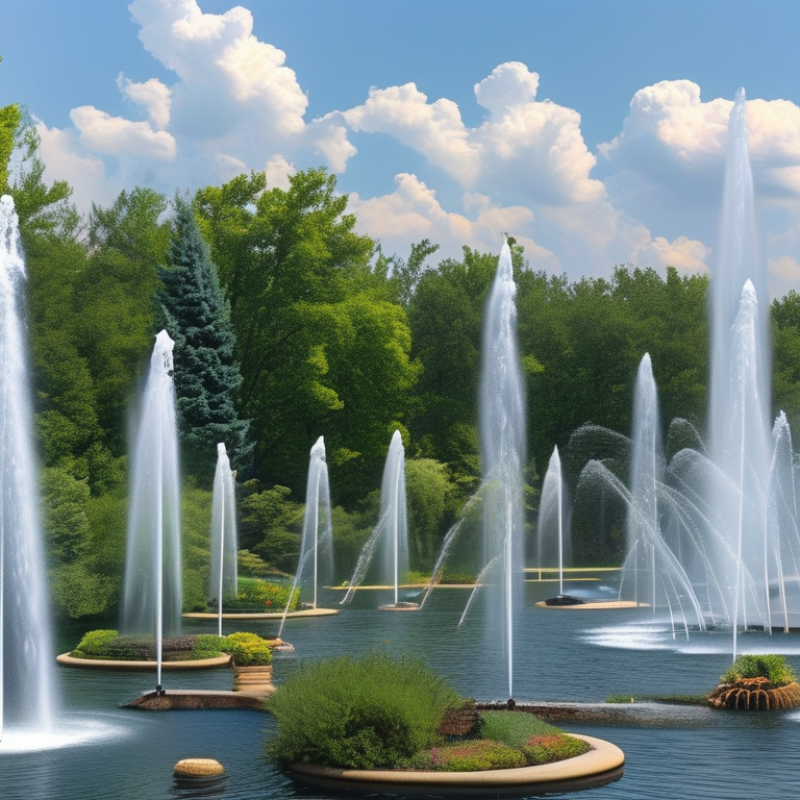
Overview of Fountain Nozzles and Their Importance in Design
Fountain nozzles play a crucial role in water feature design. They can transform a simple pond into a captivating art piece. Understanding these nozzles is essential for creating dynamic visual effects. Nozzles control water flow patterns, height, and movement. This adds personality to fountains and enhances the overall landscape.
Tips: When selecting nozzles, consider the fountain's location. Wind can affect water patterns. Choosing the right height is also vital. A short nozzle may not create the desired impact. Test different types of nozzles to see how they perform in your space.
Each nozzle type offers unique aesthetics. Some create gentle sprays, while others produce dramatic arcs. Selecting the wrong type can lead to disappointing results. Mistakes like inadequate water pressure may ruin the visuals. Experiment with various combinations to discover what resonates best in your environment. Test, adjust, and observe the effects closely.
2026 Top Types of Fountain Nozzles You Should Know
| Nozzle Type | Description | Water Effect | Usage |
| Jet Nozzle | Produces a strong, high arc of water. | Vertical water jet | Fountains, water displays |
| Misting Nozzle | Creates a fine mist of water. | Fog-like appearance | Cooling systems, outdoor displays |
| Dancing Nozzle | Creates dynamic patterns and movements. | Choreographed water dance | Themed parks, entertainment venues |
| Foam Nozzle | Generates a thick foam-like water spray. | White foamy spray | Public parks, decorative fountains |
| Spray Nozzle | Produces a gentle, dispersed spray. | Soft water mist | Small fountains, gardens |
Types of Fountain Nozzles: A Comprehensive Breakdown
Fountain nozzles come in various types, each contributing to the beauty and dynamics of water displays. Understanding these different types is crucial for designers and architects in the aquatic design industry. According to a report by the International Water Features Association (IWFA), interactive fountains are becoming increasingly popular. They engage users and offer a unique experience.
Among the noteworthy types are jet, laminar, and mist nozzles. Jet nozzles create vertical streams of water, often used for dramatic effects. Laminar nozzles produce smooth, clear streams, ideal for elegance in public parks. Mist nozzles provide a fine spray, adding soft ambiance and cooling effects. Data shows that nearly 40% of new installations feature laminar nozzles due to their refined appearance and efficiency.
Choosing the right nozzle can be challenging. Factors such as water pressure, intended design, and installation costs must be considered. Some designs may not achieve the desired aesthetic. Additionally, maintaining these systems can pose difficulties, particularly in climates with variable temperatures. Recognizing these variables helps create more sustainable and visually appealing aquatic features. Continuous innovation in nozzles will shape future trends in fountain design.
Factors to Consider When Choosing Fountain Nozzles
Choosing the right fountain nozzle can greatly enhance your water feature's appeal. Several factors come into play when selecting the perfect option. Consider the desired effect you want to achieve. There are various styles, like jets, sprays, or even a combination. Each style creates distinct visual effects, influencing how water dances through the air.
Water pressure is another crucial factor. Higher pressure often leads to taller sprays. A nozzle may look stunning in a brochure, but its performance relies on your system's pressure. Take your time to assess your setup and consult a professional if unsure.
**Tip:** Regular maintenance is essential. Clogged nozzles can affect performance. Clean them regularly to ensure steady water flow. Adequate maintenance saves you from future headaches.
Think about the materials used in the nozzles. Durable materials resist corrosion and improve longevity. However, sometimes they come with a higher initial cost. Reflect on your budget and long-term investment.
**Tip:** Experiment with different nozzle types. You might find a combination that creates the effect you love. Don't be afraid to try new designs. Happy experimenting!
Innovative Designs: Emerging Trends in Fountain Nozzles for 2026
As we approach 2026, fountain nozzle design is evolving rapidly. Emerging trends focus on sustainability and innovation. Recent industry reports indicate that 65% of fountain projects prioritize eco-friendly materials. Designers are integrating advanced technology in nozzle creation. These innovations often include sensors for water conservation and automatic adjustments to changing weather conditions.
In terms of aesthetics, geometric designs and customizable water patterns are gaining traction. Data shows that 72% of consumers prefer visual complexity in water displays. However, these intricate designs often pose challenges in maintenance. The balance between beauty and practicality remains a point of reflection for designers. Some nozzles require specialized maintenance, which can lead to unforeseen costs.
Lastly, smart fountain technologies are becoming more prevalent. 55% of new installations now incorporate digital controls, enhancing user experience. Yet, this reliance on technology can lead to potential failures. It’s crucial for designers to rethink the integration of smart features, ensuring reliability alongside creativity. As we see these trends shape the future, a deeper understanding of both aesthetics and functionality is imperative for successful overall design.
Maintenance Tips for Keeping Fountain Nozzles in Optimal Condition
Fountain nozzles create stunning water displays, but they need proper care. Regular maintenance is crucial for longevity and performance. Cleaning nozzles is an essential task. Debris can clog the nozzles, affecting water flow and patterns. Use a soft brush and clean water to remove buildup. A gentle touch prevents scratching the surface.
Check for wear and tear regularly. Inspect seals and gaskets for leaks. A small leak can lead to significant water loss. Replacing damaged parts on time can save costly repairs later. Flushing the system monthly helps prevent mineral deposits. This practice keeps the nozzles functioning properly and maintains beautiful water features.
Monitor the water levels in the fountain. Proper levels ensure that pumps operate efficiently. Low water can cause pump damage, leading to expensive fixes. Adjust the water level as needed to keep the fountain in top shape. While maintenance might seem tedious, it’s worth the effort. Taking the time to care for your fountain nozzles enhances their beauty and functionality.
2026 Top Types of Fountain Nozzles You Should Know
This chart represents the popularity index of various types of fountain nozzles for 2026. Each type has been rated from 1 to 10 based on user preferences and design trends. The Vertical Jet is the most popular, followed by Bell Jet and Foam Jet.





