What Are the 2026 Top UHP Graphite Electrode Types?
The 2026 market for UHP Graphite Electrode products is becoming more specialized. Steelmakers now compare more than price, diameter, and conductivity. They examine current density, thermal shock resistance, oxidation behavior, nipple performance, and whole-life cost. A small defect near the joint can cause serious disruption inside an electric arc furnace.
This guide reviews the leading UHP graphite electrode types expected to attract attention in 2026. It considers large-diameter electrodes for high-capacity furnaces, low-resistivity grades for demanding melting cycles, and designs using advanced nipple systems. Coated and oxidation-resistant options also deserve careful attention. Their value depends on furnace conditions, transformer capacity, scrap quality, and operating discipline.
A neat ranking can mislead.
Technical experience shows that one electrode type rarely suits every steel plant. A product performing well in a 150-ton furnace may underperform in a smaller operation. Buyers should compare verified test reports, dimensional tolerances, electrical resistivity, bulk density, and consumption data. Supplier manufacturing records matter too. So does technical support after delivery.
This article uses industry specifications, practical furnace considerations, and current market signals to explain the main categories. It also identifies trade-offs that sales brochures may overlook. Some 2026 predictions remain uncertain. Energy prices, needle coke availability, and furnace modernization could change purchasing priorities. Readers should treat the rankings as a working reference, not a permanent verdict. The strongest choice is usually the electrode that delivers stable arcs, reliable joints, and predictable performance across repeated heats.
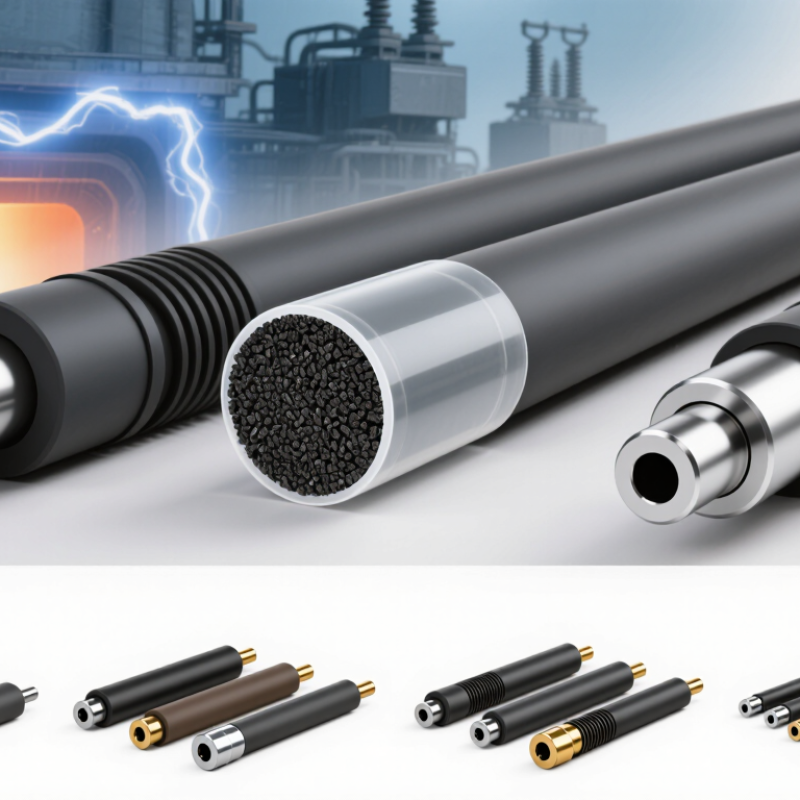
What Defines a 2026 UHP Graphite Electrode
What Are the 2026 Top UHP Graphite Electrode Types?
What Defines a 2026 UHP Graphite Electrode
A 2026 UHP graphite electrode is defined by performance under extreme electric arc furnace conditions. It must carry very high current without rapid oxidation, cracking, or excessive consumption. The key measurements include low electrical resistivity, low thermal expansion, and strong mechanical strength. These values are not marketing decoration. They directly affect furnace stability, electrode breaks, and steel output.
The best UHP grades usually rely on carefully selected needle coke and controlled graphitization. Their structure should remain uniform from the surface to the core. A dense electrode feels solid during handling and shows clean, consistent machining around the joint. In plant inspections, technicians often check nipple fit, thread accuracy, surface damage, and storage moisture before installation. A small thread defect can become a costly failure near the furnace roof.
Top types in 2026 may include standard UHP electrodes, high-strength grades, and oxidation-resistant versions. Their suitability depends on furnace size, transformer power, scrap mix, and operating rhythm. A larger diameter is not automatically better. Poor cooling or aggressive power changes can still shorten service life. No specification is perfect. Even a strong electrode may underperform when transport, storage, or joint assembly is careless. Reliable selection therefore combines laboratory data with furnace records, supplier quality controls, and actual consumption results.
What Are the 2026 Top UHP Graphite Electrode Types?
UHP graphite electrodes are commonly classified by nominal diameter and their allowable operating-current range in electric arc furnaces. Larger diameters support higher current loads and are typically selected for high-capacity steelmaking.
The ranges shown are representative industry operating bands for UHP electrodes. Actual current limits depend on electrode quality, nipple design, furnace configuration, cooling conditions, and operating practice.
How UHP Graphite Electrode Types Are Classified
What Are the 2026 Top UHP Graphite Electrode Types?
In 2026, UHP graphite electrode types are classified by performance, geometry, and connection design. This classification matters because electric arc furnaces create intense current, heat, vibration, and oxidation. A basic division uses nominal diameter, including 300, 400, 500, and 600 millimeters. Larger diameters carry higher current. They also require better furnace control. Bigger is not automatically better.
The leading categories include high-current, high-strength, and low-expansion UHP grades. Engineers compare specific electrical resistivity, bulk density, flexural strength, and thermal expansion. Lower resistivity supports efficient current transfer. Higher strength helps resist bending and breakage. Low thermal expansion may reduce thermal shock. Actual results still depend on cooling, arc stability, charging practice, and operator experience. The data can look perfect on paper.
Another classification separates electrode and nipple systems. Tapered, conical, and high-strength threaded connections suit different furnace loads. Some designs reduce contact resistance. Others focus on joint durability during repeated charging. Types may also differ in impregnation level, machining tolerance, and oxidation resistance.
During plant inspections, technicians review electrode consumption, joint failures, and furnace logs. These records often reveal more than one specification sheet. The boundary between types is not always clean. A high-grade electrode can still perform poorly under unstable operation. That uncomfortable detail deserves attention.
Performance Factors Across Different UHP Electrode Types
What Are the 2026 Top UHP Graphite Electrode Types?
Performance Factors Across Different UHP Electrode Types
In 2026, needle-coke UHP electrodes remain a leading choice for high-power electric arc furnaces. Their low electrical resistivity supports heavy current loads. Their controlled thermal expansion also reduces cracking during rapid heating. However, performance depends on more than the raw material. Electrode diameter, nipple design, furnace power, and cooling conditions all affect service life.
Low-expansion UHP types suit furnaces with severe thermal cycling. They can resist sudden temperature changes near the arc zone. High-density grades often provide better mechanical strength and lower oxidation losses. Yet, a denser electrode is not automatically the best option. Excessive current, poor alignment, or unstable scrap can still cause breakage. No specification sheet predicts every furnace problem.
Tips: Compare resistivity, bulk density, flexural strength, and thermal expansion together. Check the certificate of analysis before delivery. A small plant trial can reveal more than a broad performance claim. Inspect thread fit carefully. Loose nipples waste energy and may create dangerous electrode movement. Also review consumption by tonnes of steel, not only kilograms per heat. This comparison is more practical, though operating records are sometimes incomplete. Engineers should reassess the selected UHP type after seasonal changes, power adjustments, and repeated furnace interruptions.
Selecting the Right UHP Graphite Electrode for EAF Use
What Are the 2026 Top UHP Graphite Electrode Types?
Selecting the right UHP graphite electrode starts with the EAF’s electrical profile, not the catalogue label. World Steel Association’s World Steel in Figures 2024 reports that EAFs produced 28.6% of global crude steel in 2023. This share keeps electrode performance commercially important. Standard UHP grades suit many high-power furnaces. Higher-strength grades fit severe thermal cycling and unstable scrap charges. Large-diameter electrodes, commonly 400–600 mm, support higher current with fewer joints. Smaller diameters may reduce roof interference, but they can increase current density.
Check the furnace transformer, tap schedule, electrode-column length, and target power factor. A 500 mm electrode is not automatically better. Excessive diameter may restrict movement or create clearance problems. Select the nipple carefully. High-strength or low-resistance nipples can improve joint reliability during rapid heating. The electrode’s bulk density, electrical resistivity, flexural strength, and thermal expansion should match operating conditions. ISO 6892-1 testing principles and supplier quality records help verify reported values, although plant results matter more than isolated laboratory numbers.
Scrap density changes the answer. Light scrap causes longer arcs and harsher vibration. Heavy bundles create different mechanical loads. The IEA’s Global Critical Minerals Outlook 2024 also highlights growing pressure on energy-intensive industrial materials, making consumption control more practical. Track sidewall breakage, tip wear, joint loosening, and kilograms consumed per tonne. Data can disagree. That is normal. A short furnace trial may reveal that the theoretically strongest grade performs poorly under your actual oxygen practice.





