2026 Top Steel Structure Components for Global Buyers?
In the fast-evolving construction landscape, Steel Structure Components play a critical role. As global buyers seek durable and sustainable solutions, understanding these components becomes essential. With the increasing demand for cost-effective structures, selecting the right materials can ensure long-term stability.
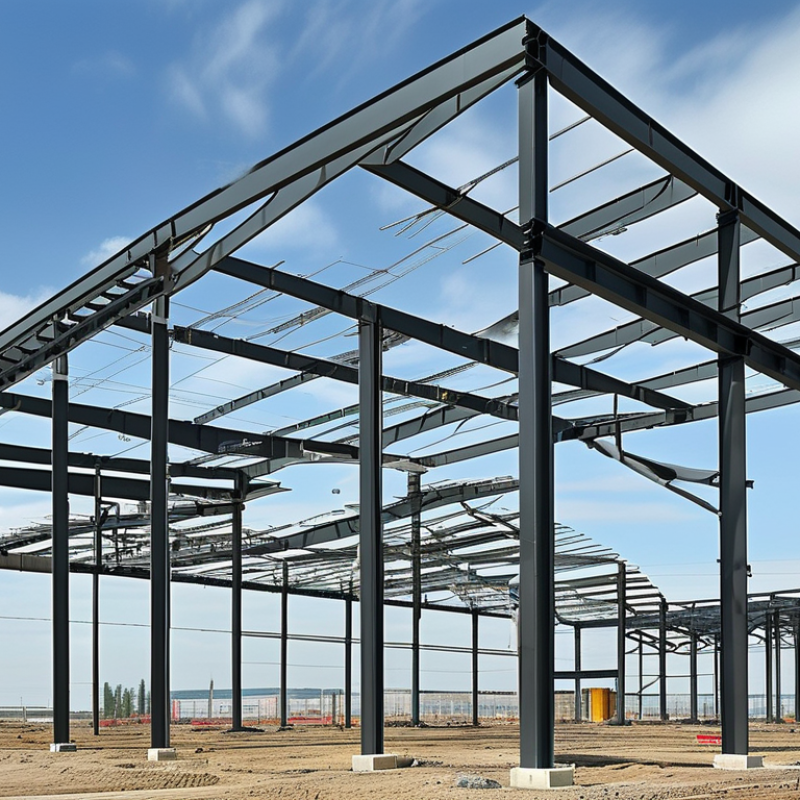
Steel Structure Components include beams, columns, and trusses. Each component offers unique advantages and challenges. Buyers must consider factors like load-bearing capacity and environmental resistance. Misjudgments in this area can lead to costly repairs. Thus, thorough research is necessary to make informed decisions.
The market for these components is increasingly competitive. New technologies and techniques emerge, impacting choice and quality. Buyers must remain vigilant and adaptable. Ultimately, making thoughtful selections in Steel Structure Components can lead to enhanced safety and efficiency in construction projects.
2026 Overview of Global Steel Structure Components Market Trends
The global steel structure components market is experiencing significant changes as it heads into 2026. According to recent industry reports, the market is expected to reach a valuation of over $180 billion by 2026, driven by increasing urbanization and infrastructure development. Steel is favored for its durability, versatility, and sustainability. In particular, construction sectors are leading demand, with residential and commercial buildings at the forefront.
One emerging trend is the rise in prefabricated steel components. These elements reduce construction time and labor costs, aligning with the ongoing push for efficiency. However, some challenges persist. Supply chain disruptions have affected availability, leading to price fluctuations. Additionally, environmental considerations mandate that manufacturers adopt greener practices. The need for recycling and reduced carbon emissions is now a critical focus.
**Tips:** Always research local suppliers and production processes. Ensuring material quality can prevent future complications. Look for manufacturers with sustainable practices; it reflects a commitment to both quality and environmental responsibility. Be prepared for cost changes; the market can be unpredictable.
2026 Overview of Global Steel Structure Components Market Trends
| Component Type | Market Share (%) | Projected Growth Rate (CAGR %) | Key Application Areas |
| Steel Beams | 30% | 4.5% | Commercial Buildings, Industrial Facilities |
| Steel Columns | 25% | 3.8% | Skyscrapers, Bridges |
| Steel Plates | 15% | 5.2% | Infrastructure, Oil & Gas |
| Steel Trusses | 10% | 3.0% | Roof Structures, Bridges |
| Steel Framing | 20% | 4.0% | Residential, Commercial |
Key Factors Influencing Demand for Steel Structure Components in 2026
As we look ahead to 2026, several key factors will significantly influence the demand for steel structure components worldwide. Urbanization continues to rise, with cities expanding rapidly. This growth creates an increased need for durable materials. Steel components are often preferred for their strength and longevity. The construction industry will focus on building more resilient structures that can withstand environmental challenges.
Sustainability is another critical factor shaping demand. Many companies are now prioritizing eco-friendly practices. Utilizing recycled steel is gaining traction, with firms seeking to minimize their carbon footprints. This shift will impact sourcing decisions and material selection in construction projects. Additionally, government regulations may drive demand for sustainable building practices. The push for greener technologies will reshape the market for steel structure components.
Technological advancements also play a crucial role. Innovations in design software and manufacturing processes can enhance efficiency. Builders can reduce waste and improve precision in steel fabrication. However, companies must navigate challenges in adopting new technologies. Some may find the transition difficult, leading to a slower uptake in certain regions. This lag could result in varying demand patterns based on local capabilities and readiness.
2026 Top Steel Structure Components Demand Overview
This chart illustrates the projected demand for various steel structure components in thousands of tons for the year 2026. The data reveals the significant preferences for components like beams and rebar, indicating trends in construction and infrastructure development.
Top Steel Structure Materials and Their Applications Worldwide
Steel structures have become vital in construction projects around the globe. Various components offer unique benefits. For instance, steel beams provide strength and durability, making them suitable for high-rise buildings. Their ability to withstand heavy loads is unmatched, ensuring safety and stability.
Structural steel has versatile applications. It is commonly used in bridges, warehouses, and industrial facilities. The ease of assembly reduces construction time. However, challenges remain. Despite its robustness, steel can corrode over time without proper treatment. Regular maintenance is crucial to prolong its lifespan.
In recent years, developments in steel technology have improved performance. Innovations have led to lighter materials with enhanced strength. This helps reduce costs while increasing energy efficiency. Still, the industry faces issues, such as sourcing sustainable materials. As demands for green building rise, finding eco-friendly options is necessary. Integrating sustainability into steel production will be essential for future growth.
Innovations in Steel Fabrication Techniques for Enhanced Performance
Steel fabrication techniques are evolving rapidly. Innovations are aimed at improving performance and efficiency. Advanced welding methods enhance joint strength. These methods also reduce production time and costs.
New technologies like 3D printing are making waves. They allow for precise component creation, optimizing material use. This approach can reduce waste and ensure quality. However, there are challenges. Not all designs can be effectively printed.
Sustainability is a growing focus in steel fabrication. Recyclable materials are becoming standard. While this is promising, the transition costs can be high. Companies face the dilemma of investing in new techniques versus maintaining traditional methods. Balancing innovation with practicality is crucial for future success.
Sustainability Practices in Steel Structure Production and Usage
Sustainability is becoming a vital focus in the steel structure industry. According to the World Steel Association, the sector aims to reduce CO2 emissions by 20% by 2030. Steel recycling plays a crucial role in this effort. About 85% of steel is recyclable, which significantly reduces the carbon footprint of new products.
In production, integrating modern technologies is essential. Innovations like electric arc furnaces are more energy-efficient. These furnaces can reduce energy consumption by up to 50% compared to traditional methods. Moreover, the use of renewable energy sources further minimizes environmental impact.
Tips: Consider sourcing steel from companies committed to sustainability. Evaluate their recycling practices and energy usage. Engaging with suppliers on their sustainability goals can drive industry-wide change.
Challenges still exist. Not all companies adopt green practices consistently. Some may prioritize cost over sustainability. It’s important for buyers to assess the entire supply chain for genuine commitment to eco-friendly practices.





