2026 Top 304 Stainless Steel Sheets Buying Guide for Global Buyers?
In the quest for high-quality materials, 304 Stainless Steel Sheets are exceptional choices for various applications. These sheets excel in corrosion resistance and durability. Their versatility makes them suitable for construction, manufacturing, and more.
Selecting the right 304 Stainless Steel Sheets can be challenging. The market has numerous options, and not all suppliers maintain the same quality standards. Buyers must navigate through various grades and finishes, which can be overwhelming. Craftsmanship and adherence to specifications are critical factors.
As global buyers, understanding your specific needs will help you make informed decisions. It’s important to assess factors like thickness, surface treatment, and dimensional accuracy. A thoughtful approach to purchasing will ensure you receive the best value for your investment. In a world of choices, consider the nuances that set superior sheets apart. Reflecting on these aspects will help enhance your buying experience.
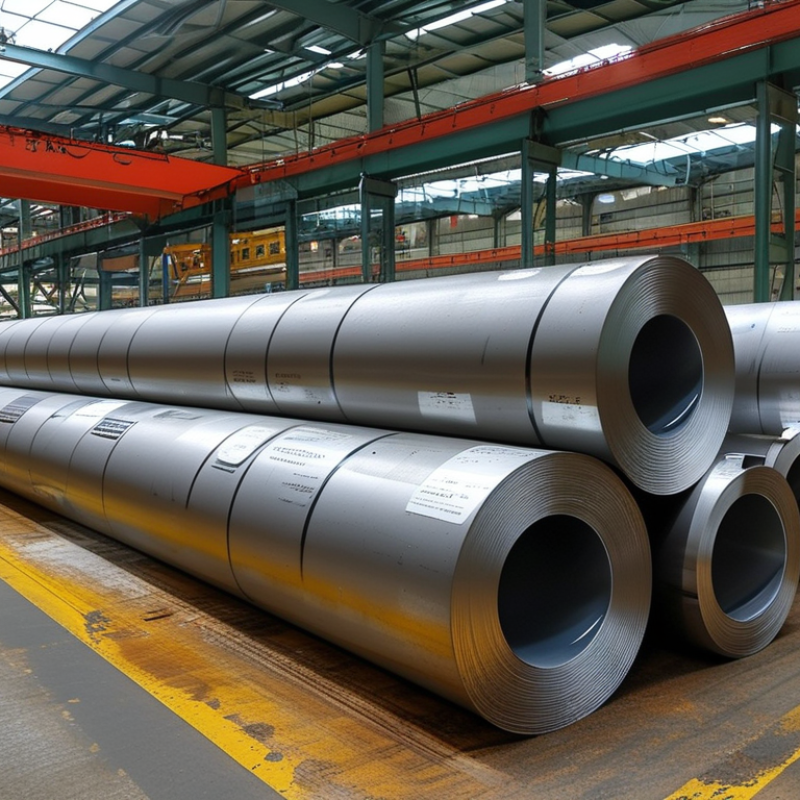
Understanding 304 Stainless Steel: Properties and Characteristics
304 stainless steel is a versatile alloy known for its excellent corrosion resistance and formability. It contains an optimal mix of chromium and nickel, contributing to its outstanding durability. This makes it a preferred choice across various industries, especially in food processing and healthcare. According to a recent report by the International Stainless Steel Forum, the global demand for 304 stainless steel continues to grow, fueled by its widespread applications.
The alloy's composition typically includes 18% chromium and 8% nickel, enhancing its toughness and oxidation resistance. These properties make it suitable for both cold and hot environments. However, while 304 stainless steel offers many advantages, it is important to consider its limitations. For example, under extreme conditions, its resistance to pitting and crevice corrosion can diminish. An understanding of these factors is crucial for buyers.
Consider these aspects when selecting 304 stainless steel sheets. Checking mill certifications ensures the quality is up to industry standards. Always review product specifications closely to assess compatibility with your project. Moreover, consult with experts to tailor your choice to specific applications, as this can avoid potential missteps. Each industry may require varying grades or finishes; one size does not fit all.
Key Factors to Consider When Buying 304 Stainless Steel Sheets
When considering the purchase of 304 stainless steel sheets, several key factors come into play. The thickness of the sheets can greatly affect both performance and cost. Reports indicate that thickness variations ranging from 0.5 mm to 3 mm are common, influencing their tensile strength and applications. A thicker sheet generally offers better durability but may also lead to increased expenses. It’s essential to balance required strength with budget constraints.
Another crucial aspect is the finish of the stainless steel. A smooth surface can enhance corrosion resistance, which is vital in industries such as food processing and pharmaceuticals. According to industry analyses, the demand for finishes like 2B and BA has surged, reflecting their popularity in high-end applications. Buyers should also consider the potential for customization in terms of size and shape, which can complicate procurement but may be necessary for specific projects.
Quality certifications play a significant role in ensuring reliability. Buyers are encouraged to seek materials that meet ASTM or ISO standards. Reports have shown that compliance with these standards minimizes the risks of structural failures. However, it is always wise to verify the credentials of suppliers, as inconsistencies can arise. Keeping these factors in mind can lead to more informed purchasing decisions, ultimately contributing to project success.
Top Global Suppliers of 304 Stainless Steel Sheets in 2026
In 2026, the global demand for 304 stainless steel sheets is set to soar. According to industry reports, the demand is expected to grow by 4% annually. Key regions leading this growth are Asia-Pacific and North America. These areas are significant consumers due to their vast industrial applications.
Top suppliers in this sector are noted for their robust production capabilities. Many of them have increased their market share by adopting advanced manufacturing techniques. Reports indicate that companies are investing heavily in technology to enhance quality and efficiency. However, challenges persist. Supply chain disruptions and fluctuating raw material prices continue to impact availability.
Sustainability is also a critical factor for buyers. Many suppliers are exploring eco-friendly practices to meet regulatory standards. Carbon emissions from manufacturing processes are under scrutiny. Buyers should seek suppliers who prioritize environmental responsibility. This aligns with global trends toward sustainable production. Making informed decisions is essential in navigating this evolving market landscape.
2026 Top 304 Stainless Steel Sheets Buying Guide for Global Buyers
| Supplier Location | Sheet Thickness (mm) | Width (mm) | Length (mm) | Price per Ton (USD) | Delivery Time (Days) |
| China | 1.0 | 1000 | 2000 | 1800 | 30 |
| India | 1.5 | 1250 | 2500 | 1750 | 28 |
| USA | 2.0 | 1500 | 3000 | 2000 | 21 |
| Germany | 3.0 | 2000 | 4000 | 2300 | 25 |
| Brazil | 1.2 | 1200 | 2200 | 1850 | 32 |
Cost Analysis: Pricing Trends for 304 Stainless Steel Sheets
When considering the purchase of 304 stainless steel sheets, understanding pricing trends is crucial. The cost can fluctuate based on various factors. Global demand, production costs, and raw material prices all play vital roles. Recent years have shown increasing prices due to higher demand in construction and manufacturing sectors. This trend is expected to continue into 2026.
Many buyers might overlook the importance of market timing. Purchasing at the right moment can lead to significant savings. Yet, geopolitical issues can disrupt supply chains. This unpredictability often results in sudden price spikes. Monitoring market trends becomes essential for buyers looking to make informed decisions.
Buyers should also consider quality variations. Not all 304 stainless steel sheets are created equal. Some may come with certifications ensuring higher quality. These certifications could impact pricing. Understanding these nuances can enhance purchasing strategies. It’s also important to reflect on how external economic conditions affect prices. Staying updated on market news can provide valuable insight.
Applications and Uses of 304 Stainless Steel Sheets in Various Industries
304 stainless steel sheets are essential in various industries, showcasing versatility and reliability. This material is widely used in food processing, medical equipment, and construction, attributed to its excellent corrosion resistance and hygienic properties. According to industry reports, the demand for 304 stainless steel in the food industry is projected to reach a market value of over $16 billion by 2025. This reflects a growing commitment to safety and quality in food handling.
In construction, 304 stainless steel sheets are favored for their strength and aesthetic appeal. Their durability allows them to withstand harsh environmental conditions without corroding. Recent studies indicate that architectural applications of stainless steel will continue to grow, with experts estimating a 5% annual increase in demand. However, the cost factor remains a concern. Buyers often face challenges in balancing quality with budget constraints.
The medical industry also benefits significantly from 304 stainless steel sheets. These sheets are used in surgical instruments, ensuring reliability and safety. The stringent regulations in healthcare highlight the necessity for high-quality materials. Still, sourcing authentic sheets can be daunting. Buyers must meticulously verify suppliers to avoid inferior products. Hence, understanding the applications and challenges is critical for global buyers.





