2026 Top Stainless Steel Resistance Screw Buying Guide?
When it comes to selecting the right hardware, the choice of screws is crucial. Among these, the stainless steel resistance screw stands out for its durability and resistance to corrosion. This guide aims to provide valuable insights to help you make an informed purchase in 2026.
Choosing the right stainless steel resistance screw requires understanding various features. You must consider factors, such as the environment in which the screws will be used. High humidity or exposure to chemicals can affect the screw's performance. This guide emphasizes practical experience and expert recommendations, pointing out potential pitfalls along the way.
Not all stainless steel screws are created equal. Variations in grade, finish, and design can impact their efficacy. It's essential to heed expert opinions and customer reviews. However, mistakes can occur. Recognizing these challenges prepares you for a better selection process. Investing time in this guide will help you navigate the complexities of stainless steel resistance screws effectively.
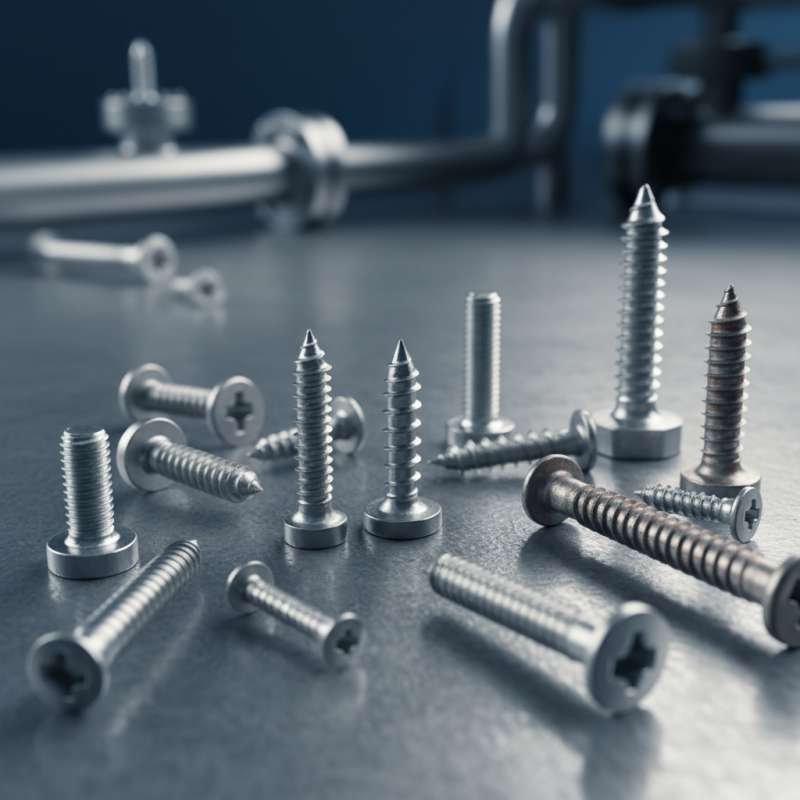
Understanding Stainless Steel Resistance Screws: An Overview
Stainless steel resistance screws play a crucial role in various applications. They resist corrosion, making them ideal for challenging environments. Industries, from automotive to construction, rely on them for their durability and strength. A report by the International Stainless Steel Forum highlights that stainless steel usage in construction has risen by 15% over the last decade. This trend indicates a growing recognition of the material's benefits.
Many professionals consider stainless steel screws essential. Yet, the selection process can be daunting. Factors like tension strength, thread design, and alloy composition are vital. According to a recent study, nearly 30% of engineers reported challenges in choosing the right screw for their projects. This reflects a need for better educational resources in the field.
Furthermore, not all stainless steel types are made equal. For instance, grade 304 is popular but may not suit every situation. In high chloride environments, grade 316 is more reliable. Materials science is evolving, but misconceptions linger. Engineers must stay informed to avoid costly mistakes. Balancing cost with performance remains a complex challenge that warrants thoughtful consideration.
Key Features to Consider When Buying Stainless Steel Resistance Screws
When choosing stainless steel resistance screws, think about the material grade. Different grades offer varying levels of corrosion resistance. Grade 316 is often preferred for marine environments. It holds up well against saltwater effects. Grade 304 is common for general applications but may not fare as well in corrosive settings.
Pay attention to the screw's thread design. Coarse threads grip better in soft materials. Fine threads work better for harder materials. It's essential to match the thread type to your specific application needs. Also, consider the screw length. Too long can cause structural damage. Too short may not provide adequate grip.
Tips: Always check the manufacturer’s specifications. Gauge the load capacity to ensure it meets your project requirements. Look for certifications or standards compliance to ensure quality. Avoid mixing different grades as this can lead to galvanic corrosion, risking your installation's integrity. Choose wisely; your project depends on it.
2026 Stainless Steel Resistance Screw Comparison
This chart compares various performance metrics of stainless steel resistance screws, focusing on key features to consider when buying. The metrics include corrosion resistance, tensile strength, hardness, weight, and cost, all rated on a scale of 0 to 100.
Types of Stainless Steel Used in Resistance Screws and Their Benefits
When selecting resistance screws, understanding the types of stainless steel available is crucial. Each type has unique benefits that can impact performance and longevity. Grade 304 stainless steel is commonly used in many applications due to its strong corrosion resistance. According to a recent industry report, around 70% of resistance screws utilize this material for its versatility.
Grade 316 stainless steel offers even better resistance to corrosion. It includes molybdenum, enhancing its abilities in saltwater environments. A study shows that these screws last 50% longer in such settings compared to their 304 counterparts. This durability can reduce maintenance costs significantly.
Additionally, the choice of stainless steel influences the screw's strength. This can be a critical factor in high-stress applications. The right grade ensures that the screws do not fail prematurely. However, many overlook the importance of selecting the correct type. Understanding these options enables users to make informed decisions, optimizing both performance and cost-efficiency.
Factors Affecting the Performance of Stainless Steel Resistance Screws
When considering stainless steel resistance screws, several factors impact their performance. Corrosion resistance is crucial. According to the 2022 Materials Performance Report, over 30% of screw failures stem from corrosion. Selecting the right stainless steel grade significantly affects longevity and reliability. Higher nickel content enhances resistance, while lower grades may provide subpar performance in harsh environments.
Another key aspect is the screw's design and threading. Research from the Industrial Fasteners Institute indicates that thread design can influence load distribution and, consequently, tensile strength. Screws with inappropriate threading may lead to premature failure. Additionally, the manufacturing process plays a vital role. Screws produced with proper cold-heading techniques often show improved mechanical properties. This aspect is often overlooked, leading to potential misjudgments by users.
Temperature and environmental stresses can also weigh heavily on screw performance. A study published in the Journal of Structural Engineering revealed that fluctuations in temperature could induce thermal expansion, which ultimately affects the screw's holding ability. Users must evaluate specific conditions their screws will face. Empowering oneself with knowledge about these factors is crucial for making informed decisions.
Maintenance Tips for Ensuring Longevity of Stainless Steel Resistance Screws
When it comes to maintaining stainless steel resistance screws, proper care is essential for their longevity. Regular inspection of screws for signs of corrosion or wear can help catch issues early. Studies show that about 30% of fastener failures are linked to improper maintenance. Ensuring screws have a clean surface free from debris is critical. Any buildup can lead to oxidation and, ultimately, failure.
Another key aspect of maintenance is the application of the right lubricants. A well-chosen lubricant can significantly reduce friction and wear. Research indicates that proper lubrication can increase the lifespan of stainless steel fasteners by up to 50%. However, it’s important to avoid over-lubrication as it can attract dirt and grime. Knowledge of the specific environment in which the screws operate is crucial. Exposure to harsh chemicals decreases their lifespan; hence, using protective coatings can be beneficial.
Lastly, storage conditions play a role in the durability of these fasteners. Humidity and temperature fluctuations can affect material integrity. Experts recommend storing screws in a climate-controlled environment. If not, rust and decay can sneak in. Pay attention to these details for optimal longevity of your stainless steel resistance screws.





