2026 Top Rubber Parts in Pumps What Should Global Buyers Know
In the ever-evolving world of industrial machinery, understanding the role of Rubber Parts in Pumps is crucial. These components significantly impact performance and durability. Recent reports from the American Pump Manufacturers Association indicate that effective rubber parts can reduce maintenance costs by up to 30%. This statistic highlights their importance in various applications, from water treatment to oil extraction.
Global buyers should be aware of the diverse materials and manufacturing techniques available for rubber parts. Factors such as temperature resistance and chemical compatibility are essential for optimal function. A 2022 industry analysis revealed that nearly 40% of pump failures were linked to poor-quality rubber components. This data drives home the need for selecting reliable suppliers with proven track records.
However, challenges remain. Sourcing quality rubber parts in a saturated market can be daunting. Buyers must navigate numerous options, each claiming superiority. Engaging with industry experts can help mitigate risks and enhance procurement strategies. The decision-making process warrants careful evaluation to ensure lasting performance and cost-effectiveness in designated applications.
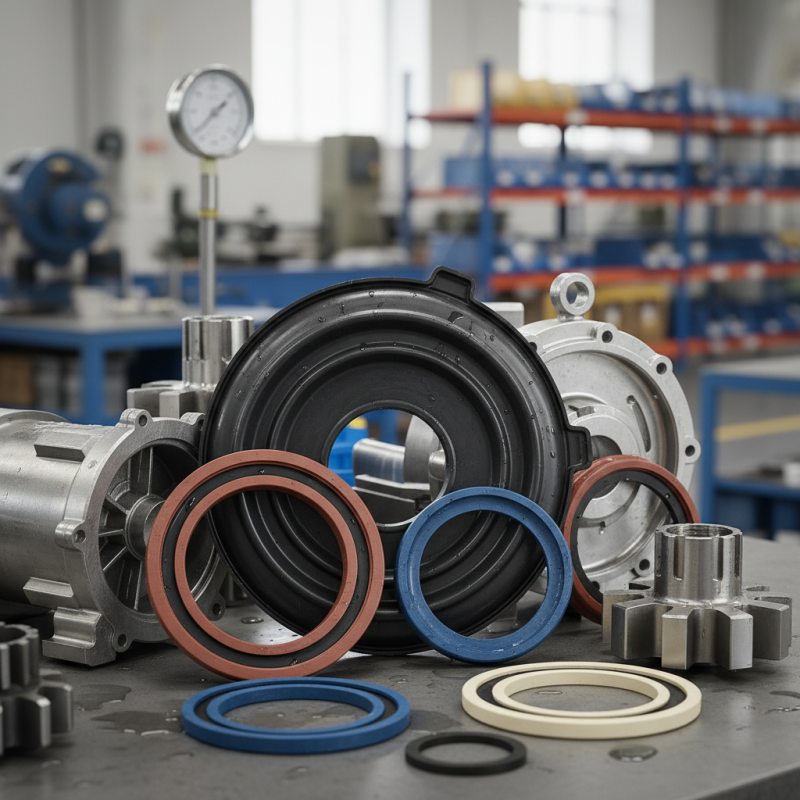
Overview of Rubber Parts Used in Pump Applications
Rubber parts play a crucial role in pump applications. They provide essential sealing, cushioning, and protection. Common rubber components include gaskets, O-rings, and diaphragms. Each of these parts must withstand various conditions, such as temperature fluctuations and chemical exposure. Proper material selection is key to their performance.
Choosing the right type of rubber is not always straightforward. Different rubbers have unique properties, such as hardness and chemical resistance. For instance, nitrile rubber is great for oil resistance, while silicone is excellent for high temperatures. Buyers must evaluate their specific needs carefully. It’s not uncommon for rubber parts to fail if they aren’t matched correctly to pump conditions.
Regular maintenance and inspection of these parts can prevent failures. Buyers should develop a routine check-up schedule. This can be a good way to spot wear and tear early. However, often, businesses overlook this step. They may assume rubber parts can function indefinitely, which is rarely the case. Understanding the limitations of rubber in pumps is essential for reliability.
Types of Rubber Materials Commonly Utilized in Pumps
When considering rubber materials for pumps, various types play crucial roles in performance and durability. Natural rubber, for example, provides excellent resilience and elasticity. It's a common choice for applications requiring flexibility. This material can withstand moderate temperatures and pressure but may lack chemical resistance compared to synthetic options.
On the other hand, nitrile rubber is widely used for its oil and fuel resistance. Industry reports show that nitrile accounts for nearly 30% of rubber consumption in pump applications. Its ability to handle harsh environments makes it a reliable choice. Another popular option is EPDM rubber, known for its superior weather resistance and oxidation stability. It is ideal for outdoor applications and extreme weather conditions.
However, not all rubber materials meet the rigorous demands of every pump application. Some manufacturers face challenges in selecting the right type. Misjudging the required properties can lead to premature failure and increased maintenance costs. Industry insights stress the importance of thorough material testing to ensure compatibility with specific pumping environments. Understanding these rubber types helps global buyers make informed decisions.
Key Considerations for Selecting Rubber Parts in Pumps
Selecting rubber parts for pumps requires careful consideration of several factors. The quality of rubber directly impacts a pump's efficiency and lifespan. According to a recent report by the Rubber Manufacturers Association, over 70% of pump failures are linked to substandard rubber components. This statistic highlights the importance of choosing the right materials.
When selecting rubber parts, buyers should assess the application's requirements. The operating temperature, fluid compatibility, and pressure levels are crucial parameters. For instance, EPDM rubber is excellent for water and steam applications, while NBR is preferred for oil-based fluids. Additionally, consider the hardness of the rubber. A durometer rating of 60-70 is common for general usage, but specific applications may require different hardness levels.
**Tips:** Always request samples for testing before finalizing your order. Check if the supplier offers traceability for their rubber materials. Another consideration is regulatory compliance. Make sure the materials meet industry standards to avoid future legal issues. Understanding these nuances helps in making informed decisions, ultimately reducing risk and enhancing performance.
2026 Top Rubber Parts in Pumps - Key Considerations for Selecting Rubber Parts in Pumps
| Property | Description | Considerations |
| Material Type | Common materials include Nitrile, EPDM, Viton, and Silicone. | Choose based on chemical compatibility and temperature range. |
| Temperature Tolerance | Different rubbers have varying temperature tolerances. | Consider operating temperatures in the pump application. |
| Chemical Resistance | Ability to withstand specific chemicals without degradation. | Identify the fluids being pumped to ensure compatibility. |
| Durability | Resistance to wear, tear, and fatigue over time. | Evaluate the expected lifespan in operational conditions. |
| Size and Fit | Rubber parts must fit precisely in the pump assembly. | Measure dimensions accurately before selecting parts. |
| Cost | The price of rubber parts can vary significantly. | Consider total cost versus performance and longevity. |
Global Market Trends for Rubber Components in Pump Manufacturing
The global market for rubber components in pump manufacturing is evolving rapidly. As sustainability becomes a priority, manufacturers are seeking eco-friendly materials. Using recycled rubber can significantly reduce waste. This shift not only benefits the environment but also meets consumer demand for greener products.
Another trend is the innovation in design and functionality. Advanced technologies are leading to the creation of more durable and efficient rubber parts. These improvements minimize wear and tear in pumps, enhancing their lifespan. However, the reliance on new materials requires careful evaluation. Not all innovations succeed in practice. Manufacturers must remain vigilant about testing and quality assurance.
Additionally, supply chain challenges have emerged. The demand for specific rubber grades is increasing, yet sourcing remains unpredictable. Buyers should be cautious about stock levels and suppliers. Establishing strong relationships with reliable partners can mitigate risks. In a fluctuating market, flexibility and proactive planning are essential for success.
2026 Global Trends in Rubber Parts for Pumps
This chart presents the projected global market trends for rubber components used in pump manufacturing, highlighting the demand for various materials over the next few years.
Challenges and Innovations in Rubber Part Production for Pumps
The production of rubber parts for pumps faces unique challenges and innovations. In 2023, the global rubber parts market was valued at approximately $16 billion, projected to grow at a CAGR of 4.5% until 2026. This growth is driven by increasing demands for efficient and durable components in pump applications.
One of the significant challenges is the sourcing of high-quality raw materials. Many manufacturers struggle with fluctuating prices and availability of synthetic rubber. Additionally, aging production equipment can hinder efficiency. As per the latest report from industry analysts, over 30% of manufacturers plan to invest in modernizing their facilities over the next three years.
On the innovation front, advancements in material science are crucial. New compounds blending synthetic and natural rubber show promising results in enhancing performance and longevity. A recent study indicated that pumps with improved rubber parts experience 20% fewer operational failures. However, the adoption of these innovations is uneven across the industry, highlighting the need for increased education and technology transfer among smaller manufacturers.





