2026 Top Isolator Switch Features Buyers Need to Know?
In the evolving landscape of electrical infrastructure, the importance of an effective Isolator Switch cannot be overstated. According to a recent report by MarketsandMarkets, the global isolator switch market is expected to reach $5 billion by 2026, driven by the increasing demand for reliable and safe electrical systems. As industries prioritize safety and efficiency, understanding the key features of isolator switches becomes crucial for buyers.
Features such as rated voltage, design standards, and operational reliability set apart different models. For instance, a high-quality isolator switch should handle specific voltage levels and be compliant with international safety standards. Yet, many buyers overlook the importance of these specifications. A common misstep is assuming that all switches will perform equally under stress. This is far from the truth, as poorly designed isolator switches can lead to downtime and potential hazards in industrial settings.
Moreover, the rapid advancements in technology pose both opportunities and challenges. While innovations improve performance, they also require buyers to stay informed. Making informed decisions is vital, yet it can be daunting. As you navigate the complexities of selecting an isolator switch, consider not only technical features but also the reliability and reputation of the manufacturer.
Key Functions of Isolator Switches in Electrical Systems
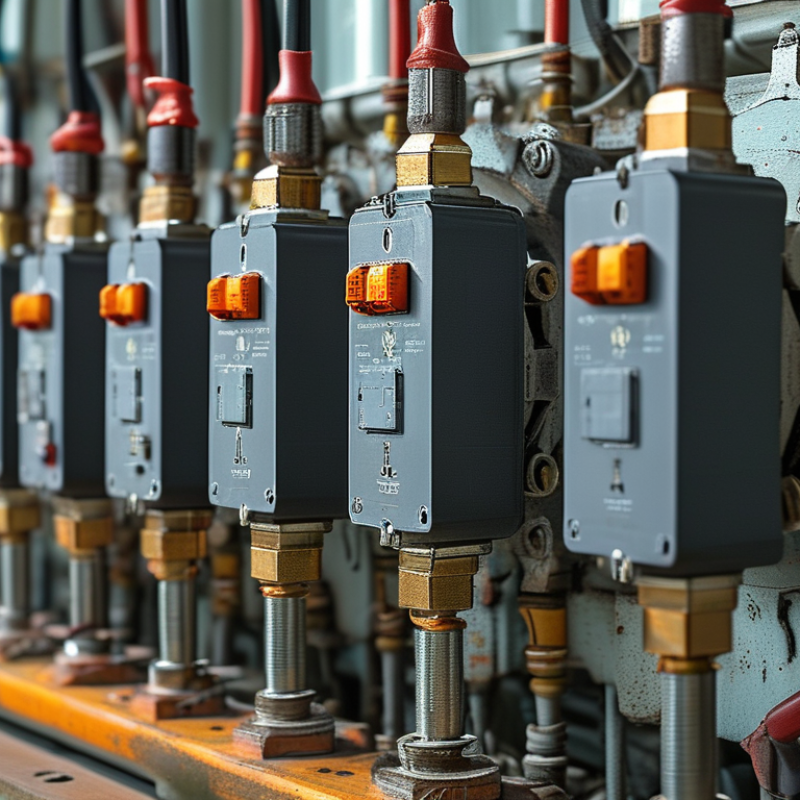
Isolator switches play a crucial role in electrical systems, ensuring safety and reliability. These devices allow for the disconnection of electrical circuits, providing a means to isolate parts of the system for maintenance or in emergencies. Their design is straightforward yet effective, making them essential in various applications. Understanding their key functions can significantly enhance system performance and safety protocols.
One significant feature of isolator switches is the ability to prevent accidental energization. During maintenance, it’s vital to ensure that no power is flowing through the circuit. An isolator switch, when correctly engaged, mitigates this risk. Operators can work with confidence, knowing the potential hazards are minimized. Regular testing and maintenance of these switches are critical. Neglecting this can lead to failures and unsafe conditions.
Another important function involves protecting equipment from overload and short circuits. Isolator switches can help isolate faulty components, reducing the risk of damage. This action allows the unaffected parts of the system to remain operational. However, selecting the correct isolator switch for specific applications can be challenging. Users should consider factors like voltage ratings and environmental conditions. Making informed choices is essential to maximize efficiency and safety in electrical installations.
Key Functions of Isolator Switches in Electrical Systems
Essential Safety Features for 2026 Isolator Switches Buyers
When purchasing isolator switches in 2026, safety features must be a priority. Buyers should be aware of potential hazards associated with electrical equipment. One critical feature is the presence of a safety mechanism that prevents accidental disengagement. This reduces the risk of equipment malfunctions during operation.
Another important aspect is the visibility of the switch status. A clear indicator, such as a bright color or labeled position, allows users to quickly assess whether the switch is in the "on" or "off" position. Without this, errors may happen, leading to dangerous situations.
Durability is also a significant concern. The materials used should withstand harsh environmental conditions, such as high temperatures or moisture. Buyers must inquire about the specifications that ensure long-term reliability. While manufacturers often promote their products as robust, investigating material composition is vital. Reflecting on these aspects, buyers can enhance safety and operational efficiency.
Comparative Analysis of Different Types of Isolator Switch Designs
When evaluating isolator switches, understanding various designs is crucial. Different types have distinct functionalities and intended applications. For instance, rotary isolators offer a user-friendly interface. They typically feature a simple on-off mechanism. Their durable construction makes them reliable in harsh conditions.
In contrast, knife switches present unique benefits. These switches allow for clear visual confirmation of their status, which enhances safety. However, their open design can expose contacts to environmental factors. This requires careful consideration in outdoor settings.
Furthermore, the choice between fused and non-fused isolators is essential. Fused isolators provide additional protection against overloads. Yet, they may require regular maintenance to replace fuses. Non-fused options, while easier to maintain, may lack that extra layer of security. Potential buyers must weigh these factors according to their specific needs. These insights can significantly impact the decision-making process.
Important Specifications to Consider When Purchasing Isolator Switches
When purchasing isolator switches, focus on key specifications that impact safety and performance. One essential aspect is the switch's rated voltage. This determines how much voltage the switch can safely handle. Data shows that most industrial applications require switches rated for 600V or higher. Thus, knowing the specific voltage needs can prevent failures.
Another critical specification is the current rating. Isolator switches come with various ratings, commonly ranging from 16A to 800A. Choosing a switch with a rating too low for your application risks overheating and potential hazards. It's imperative to assess your system's requirements carefully before making a selection.
**Tip:** Always consider the environmental conditions where the switch will be used. Factors like temperature and humidity can affect switch performance.
The frequency of operation is also significant. Some switches are designed for specific frequencies, like 50Hz or 60Hz. Using a switch outside its designed frequency can lead to inefficiency. Understanding these nuances can lead to better decisions.
**Tip:** Regularly consult updated industry reports. These can provide insights into emerging trends and technologies in isolator switches.
Trends and Innovations in Isolator Switch Technology for 2026
Isolator switch technology is evolving rapidly. In 2026, buyers should be aware of several key trends. One notable trend is the increase in demand for smart isolator switches. According to recent industry reports, nearly 40% of new installations will incorporate smart features. These innovative switches allow for remote monitoring and control, greatly enhancing operational efficiency.
Another significant aspect is the focus on sustainability. Many manufacturers are prioritizing eco-friendly materials and energy-efficient designs. Reports indicate that 75% of buyers prefer products that support green initiatives. This shift is driving the development of isolator switches with recyclable components and lower carbon footprints.
The integration of AI in isolator technology is also noteworthy. AI can provide predictive maintenance, reducing downtime. However, some concerns remain regarding cybersecurity. As these devices become more connected, ensuring their security is paramount. The balance between innovation and safety is a challenge the industry must address moving forward. Adapting to these advancements will define the future of isolator switches.
2026 Top Isolator Switch Features Buyers Need to Know
| Feature | Description | Trend/Innovation |
| Smart Connectivity | Integration with IoT for real-time monitoring and control. | Growing demand for smart grids and remote accessibility. |
| High Isolation Voltage | Capability to operate at higher voltage levels ensuring safety and reliability. | Increasing voltage requirements in industrial applications. |
| Compact Design | Reduced size for easier installation and lower space consumption. | Shift towards smaller equipment in modern facilities. |
| Robust Construction | Durable materials that withstand harsh environmental conditions. | Focus on long-lasting products suitable for outdoor applications. |
| Safety Features | Enhanced safety mechanisms to prevent electrical accidents. | Rising awareness on workplace safety regulations and standards. |
| Energy Efficiency | Designs aimed at reducing energy loss during operation. | Proliferation of green initiatives and energy conservation efforts. |





