2026 Top Power Inverter for Home Types Buying Guide
Choosing a Power Inverter For Home use is not simply about finding the largest wattage on a product page. It is about matching real household loads with safe, stable, and efficient power conversion. A refrigerator may need a brief starting surge. A laptop usually needs far less. These differences matter.
Dr. Ned Mohan, a respected power-electronics educator, describes the field as “the technology associated with the efficient conversion, control, and conditioning of electric power.” That principle fits home inverters closely. A dependable unit should deliver clean output, manage voltage changes, limit overheating, and protect connected appliances. It should also suit your battery system, backup duration, installation space, and expected noise level.
Small details often decide the experience. Check the continuous rating, not only the advertised peak rating. Look for pure sine wave output when operating sensitive electronics, medical equipment, or modern appliances. Confirm cable size, ventilation clearance, transfer-switch compatibility, and battery chemistry before purchase. Installation quality matters as much as the inverter itself.
There is no perfect model.
This guide compares the main Power Inverter For Home types for 2026, including standby, portable, solar-ready, and battery-based systems. It considers practical performance, efficiency, safety features, maintenance, and long-term value. Some recommendations may change as batteries improve or household demand shifts. That uncertainty deserves honesty. A cheaper inverter can appear attractive, yet poor surge handling may create frustration later. Careful sizing remains the strongest protection against an expensive mistake.
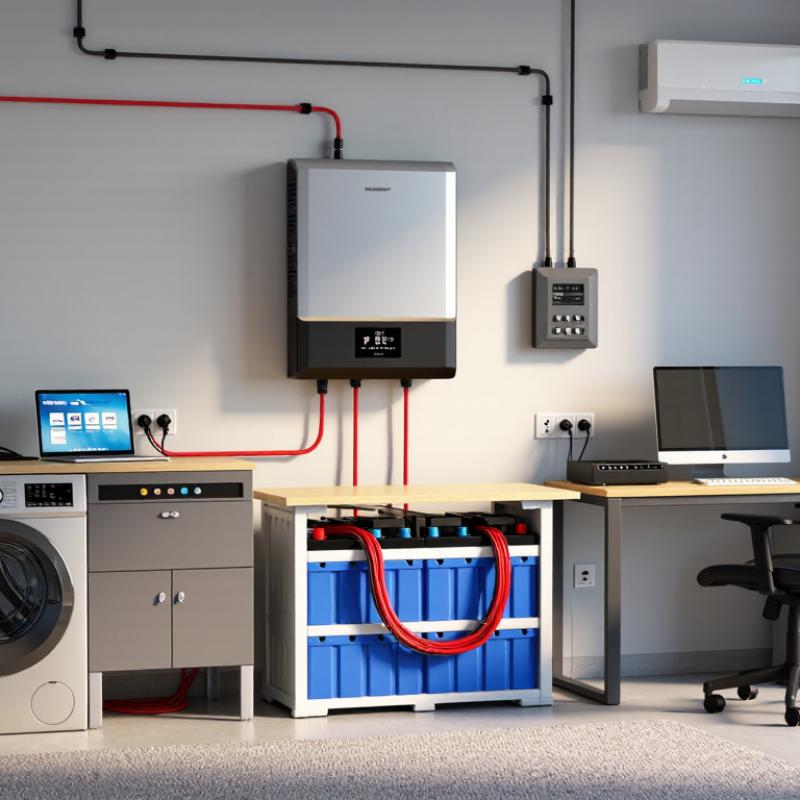
Power Inverter Basics: Functions, Waveforms, and Key Home Applications
A home power inverter converts direct current from a battery or solar storage system into alternating current for household devices. Its purpose sounds simple, but design choices affect safety, noise, and runtime. Capacity is measured in watts, while surge capacity handles brief starting loads. A refrigerator may draw much more power when its compressor starts. Check both figures. Do not size an inverter from the appliance label alone. Startup behavior is often overlooked.
The waveform describes the shape of the output electricity. Pure sine wave output closely follows utility power and suits sensitive electronics, induction motors, and approved home equipment. Modified sine wave output may run basic heaters or lamps, but it can cause buzzing, extra heat, or unreliable motor performance. I have seen a fan operate normally while its unusual hum suggested poor compatibility. That clue matters, though it is not universal. Verify the device manual and inverter specifications. Idle consumption also drains batteries slowly.
In homes, inverters support short outages, remote work, lighting, refrigeration, and circulation pumps. A transfer switch must be installed correctly to prevent dangerous backfeed. Use a qualified electrician and follow local electrical codes. Portable units need ventilation, dry placement, and protected cables. Keep battery terminals covered. Test the system with actual household loads, not only a phone charger. Record runtime at different loads because published estimates can be optimistic. I once focused too much on purchase price and underestimated surge needs. That mistake still influences my sizing decisions.
How to Match Inverter Capacity With Household Loads and Backup Needs
A home inverter should match both your running load and each appliance’s starting demand. List essential devices, such as a refrigerator, router, lights, and a small pump. Add their running watts, then check surge ratings. A refrigerator may briefly need two or three times its normal power. Leave 20–30% spare capacity for safer operation. For example, 900 watts of regular demand may suit a 1,200-watt inverter, but only if its surge rating supports the motor start.
Tips: Separate essential and nonessential circuits. Test the actual loads with a plug-in meter. Keep large heaters and kettles off the backup circuit unless the inverter is sized for them. Capacity is not backup time. Battery energy, measured in watt-hours, determines how long appliances operate. A 1,000-watt load running for two hours needs about 2,000 watt-hours, plus energy lost during conversion.
My first estimate was too optimistic because I ignored startup demand. That mistake can cause nuisance shutdowns during an outage. Review your electricity bills, but do not trust them alone. Usage changes with seasons and household habits. A qualified electrician should verify wiring, transfer equipment, ventilation, and battery protection. The right choice is not always the largest inverter. Oversizing can increase cost, idle consumption, and installation complexity. A practical load audit usually gives a more reliable answer than guesswork.
Comparing Inverter Types for Different Home Power Systems
2026 Top Power Inverter for Home Types Buying Guide
Comparing inverter types starts with your home power system, not the advertised wattage. A grid-tie inverter suits homes with stable utility service and solar panels. It sends unused electricity back to the grid, but usually cannot power your home during an outage. An off-grid inverter works with batteries, solar panels, and backup generators. It needs careful load planning. A hybrid inverter combines grid access, solar input, and battery storage. It can keep essential circuits running when the grid fails. Pure sine wave output is generally safer for refrigerators, pumps, computers, and medical equipment. Modified sine wave models may cost less, but some motors can run noisily or overheat.
Tips: List every appliance, its running watts, and its starting surge. A refrigerator may need much more power for a few seconds. Leave a practical capacity margin. Heat, cable length, and battery age also reduce real-world performance. Choose an inverter with clear monitoring, overload protection, and suitable installation instructions. A qualified electrician should verify wiring, grounding, ventilation, and local requirements. Small details matter.
My field experience suggests that many buying mistakes come from matching inverter size to daily energy use alone. That is incomplete. A home may use little energy but still need high surge capacity for a well pump. Hybrid systems offer flexibility, yet they cost more and contain more settings to maintain. I also underestimated winter solar losses once. Recheck your assumptions before purchasing. Shortcuts can become expensive.
Essential Safety, Battery, Efficiency, and Installation Considerations
2026 Top Power Inverter for Home Types Buying Guide
Essential Safety, Battery, Efficiency, and Installation Considerations
Choosing a home inverter starts with the building, not the advertised wattage. Apartments usually need compact systems for essential loads, such as lights, routers, and refrigerators. Detached homes may require higher surge capacity for pumps, freezers, or heating controls. An off-grid cabin needs careful battery planning because cloudy weather can extend charging times. Pure sine wave output is generally safer for sensitive electronics and motor-driven appliances.
Safety deserves practical attention. Install the inverter in a dry, cool, ventilated area away from bedrooms and flammable materials. Use correctly rated fuses, breakers, grounding conductors, and cables. Local electrical codes may require a transfer switch and licensed installation. Never connect backup power directly to a wall outlet. That mistake can energize utility lines and seriously injure workers. Battery chemistry also matters. Lithium iron phosphate batteries often offer stable cycling, while lead-acid units need more ventilation and maintenance.
Efficiency is not only a specification-sheet number. Measure the inverter’s idle consumption, peak efficiency, and performance under your normal load. Oversizing can waste energy; undersizing can cause shutdowns during motor starts. Keep battery cables short, thick, and tightly secured. Inspect terminals after installation. A practical review should include temperature, noise, charging behavior, and emergency access. I would not ignore small losses, because they become expensive during long outages. Yet predictions remain imperfect; real household habits often differ from test conditions.





