2026 Top Garden Rooms Trends for Global Buyers?
As the demand for versatile living spaces grows, garden rooms have emerged as a popular solution. According to recent market studies, the global garden room market is projected to reach $1.5 billion by 2026. This surge reflects a shift in consumer preferences towards multifunctional outdoor spaces. Garden rooms serve various purposes, from home offices to relaxation retreats.
The flexibility of garden rooms appeals to homeowners and investors alike. They enhance property value and create additional living areas without extensive renovations. However, the trend also raises questions about sustainability and design. Buyers must consider eco-friendly materials and local climate impacts in their decisions. As the market evolves, investments in garden rooms should balance aesthetics with functionality.
Emphasizing quality over quantity is vital for success in this burgeoning sector. Companies should focus on innovative designs and energy-efficient solutions to meet consumers' needs. The journey towards creating the perfect garden room is filled with opportunities for reflection and improvement. By understanding emerging trends, global buyers can make informed choices that reflect their unique lifestyles.
Emerging Design Aesthetics for Garden Rooms in 2026
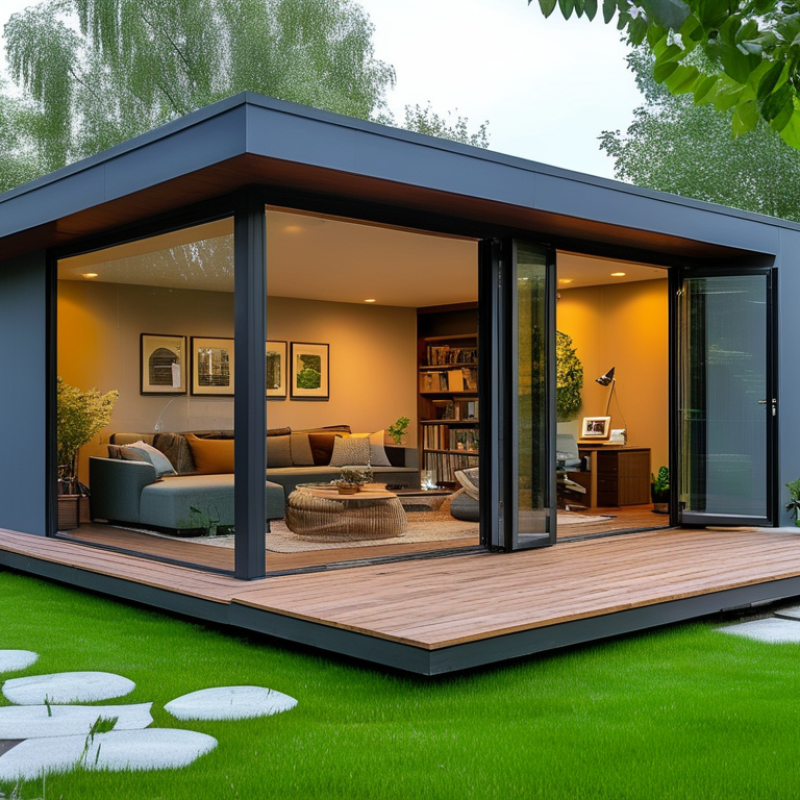
As we look towards 2026, garden rooms are transforming into beautiful extensions of our homes. Emerging design aesthetics reflect a deep connection to nature. Sustainable materials are gaining traction. Recycled wood, bamboo, and natural fibers are popular choices. They create a warm, inviting ambiance. Biophilic design plays a crucial role, blurring the lines between indoor and outdoor living.
Color palettes are evolving too. Earthy tones like terracotta, warm greens, and soft greys create a calming atmosphere. Accents of brighter colors can bring energy to the space. Textured surfaces, such as rough-hewn timber and smooth stone, add depth. Lighting choices will emphasize these features, enhancing overall aesthetics.
However, it's essential to balance beauty with functionality. Consider varied climates and space limitations. Some designs may not perform well in harsh weather. Using high-quality insulation can make a difference. Think about how these spaces will be used. Flexibility is key, allowing for both relaxation and entertainment. Embracing these trends can elevate garden rooms, making them truly special.
Sustainable Materials and Eco-Friendly Practices in Garden Room Construction
Sustainable materials and eco-friendly practices are transforming garden room construction. When building a garden room, consider using reclaimed wood. It not only adds character but also reduces waste. Bamboo is another excellent option due to its rapid growth and renewability. Choosing these materials can significantly lower your environmental impact.
Incorporating energy-efficient windows is also essential. Double-glazing minimizes heat loss, keeping your garden room comfortable year-round. This reduces the need for heating, saving energy and costs. Use low-VOC paint to improve air quality. This choice ensures a healthier indoor environment.
Consider strategies for natural lighting. It can help reduce electricity use during the day. Skylights or large windows can flood the space with light. Reflective surfaces can enhance brightness too. Remember, sustainable design isn’t just about materials; it’s about creating a connection with nature.
2026 Top Garden Rooms Trends for Global Buyers
| Trend | Description | Materials | Sustainability Features | Estimated Cost ($) |
| Open-Concept Designs | Flexible spaces for work and leisure | Reclaimed wood, bamboo | Natural ventilation, passive heating | 10,000 - 15,000 |
| Biophilic Design | Integration of natural elements | Eco-friendly paints, living walls | Energy-efficient lighting, solar panels | 12,000 - 18,000 |
| Modular Construction | Ease of assembly and customization | Sustainable composites, recycled steel | Reduced waste, efficient use of materials | 15,000 - 22,000 |
| Smart Technology Integration | Automation for comfort and efficiency | Smart glass, advanced insulation | Smart thermostats, energy monitoring | 20,000 - 30,000 |
| Eco-Friendly Landscaping | Sustainable outdoor environments | Native plants, permeable paving | Water-saving systems, habitat creation | 5,000 - 10,000 |
Innovative Technology Integration in Modern Garden Room Designs
Garden rooms are evolving with innovative technology shaping their designs. A recent industry report highlights that over 70% of buyers are now seeking smart home integration in these spaces. Features like smart lighting, climate control, and security systems are becoming standard. Moreover, voice-activated assistants can manage garden room environments easily, allowing for personalized experiences that adapt to user preferences.
For those keen on creating a technological haven in their garden room, consider the integration of energy-efficient solutions. Solar panels can significantly reduce energy costs. Many buyers report a preference for eco-friendly designs, reflecting a commitment to sustainability. Using reclaimed materials for construction is another trend that resonates with environmentally conscious consumers. However, ensure that the technology you select is user-friendly and maintains a balance with the room's aesthetic.
Remember to assess your space before committing to technology choices. Not all designs accommodate every gadget seamlessly. For example, some may find that they overestimate their need for tech, leading to clutter. Focus on what enhances your garden room experience without compromising comfort. Minimalistic designs often lead to more functional spaces.
Functional Spaces: Multi-Purpose Uses for Garden Rooms in 2026
In 2026, garden rooms are evolving to become multifunctional spaces that enhance everyday living. Reports indicate that 65% of homeowners now seek versatility when investing in outdoor structures. This shift in consumer preference means that garden rooms are no longer simply for relaxation. They serve as offices, gyms, art studios, and even guest accommodation. The rise in remote work has spurred this trend, with studies showing that 54% of employees prefer working from home in a dedicated, inspiring space.
Many buyers are looking for environments that can adapt. For instance, a garden room designed as a fitness studio can easily transform into a creative workspace. This adaptability creates extra value. However, not all designs meet these needs flawlessly. Poor planning can lead to cramped spaces lacking natural light, which can deter potential users. It's crucial for buyers to consider their specific requirements to avoid these pitfalls and make informed decisions.
As the focus on sustainability grows, eco-friendly materials become increasingly popular. A 2023 study found that 70% of consumers are willing to pay a premium for sustainable options in home design. Features like energy-efficient windows and green insulation are becoming standard in garden rooms. This not only benefits the environment but also improves user well-being. However, buyers must research thoroughly, ensuring that they are investing in reliable builders who adhere to these eco-friendly standards.
2026 Top Garden Rooms Trends
Customization Trends: Personalizing Garden Rooms for Diverse Tastes
Personalization in garden room design has gained significant traction. Reports show that over 70% of buyers seek customized solutions tailored to their individual preferences. This trend reflects a shift in consumer behavior towards unique spaces that resonate with personal style. Features such as bespoke layouts and customizable interiors allow homeowners to transform garden rooms into functional retreats or creative studios.
In 2026, we can expect to see more diverse materials and designs. Natural wood finishes, sustainable materials, and innovative lighting options are becoming popular choices. A survey indicates that 65% of respondents prefer eco-friendly designs, emphasizing sustainability in their choices. Yet, challenges remain. Many homeowners struggle with the overwhelming number of customization options available. This can lead to decision fatigue, hindering the design process. Finding a balance between personalization and simplicity will be a key focus for designers in the coming years.





