


Choosing a reliable Galvanized Steel Plate Supplier in 2026 requires more than comparing online prices. Buyers must examine coating thickness, steel grade, dimensional tolerance, certification, and delivery performance. A bright zinc surface may look convincing, but appearance alone cannot prove long-term corrosion protection.
Edwin Basson, Director General of the World Steel Association, has stated, “Steel is the most recycled material in the world.” That principle matters when evaluating modern galvanized plate producers. Responsible suppliers should provide traceable mill certificates, clear environmental information, and practical recycling guidance. They should also explain how hot-dip galvanizing, coating mass, and storage conditions affect service life.
This guide reviews leading global suppliers through an evidence-based lens. It considers production capacity, export reach, quality systems, customization, technical support, and customer feedback. Regional strengths are included because a supplier near the project site may reduce freight risks and delivery delays. Large scale does not always mean better service.
Some comparisons remain imperfect. Public data can be incomplete, and supplier rankings may change with market conditions. Buyers should verify current certifications, sample reports, warranty terms, and project references before signing contracts. A low quotation can hide inconsistent coating weights, weak packaging, or uncertain lead times. Conversely, a higher price may reflect stronger inspection and dependable logistics.
The companies discussed here serve construction, infrastructure, energy, manufacturing, and agricultural applications. Their capabilities differ across plate thickness, zinc coating ranges, processing options, and regional standards. Use this overview as a practical starting point, not a substitute for technical due diligence. Reliability is built through evidence, not impressive claims.
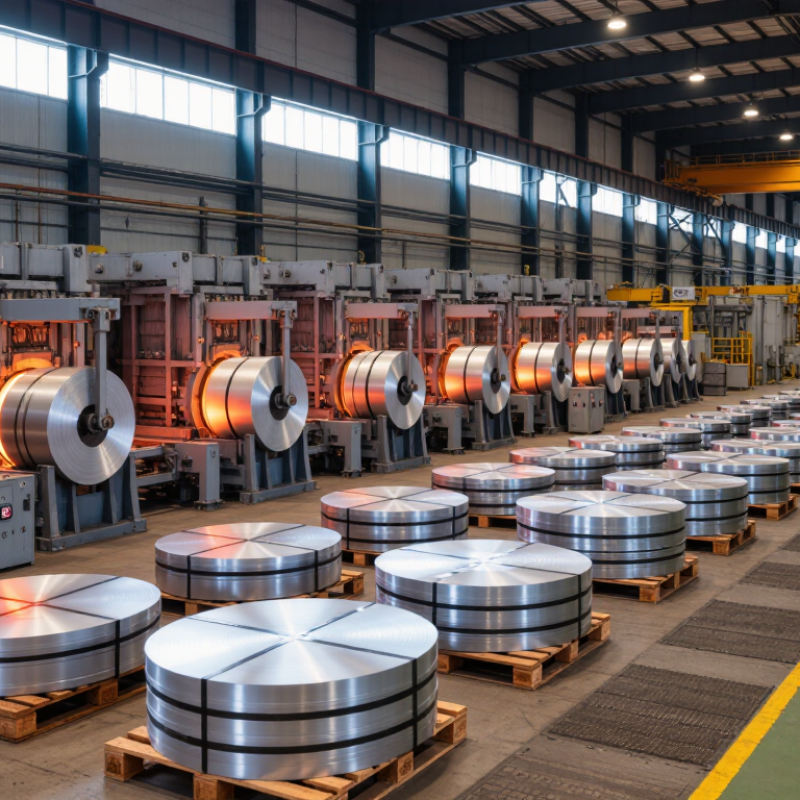
A leading galvanized steel plate supplier offers more than bright, uniform surfaces. It provides measurable performance for bridges, warehouses, vehicle parts, and outdoor equipment. Experienced suppliers explain coating mass, steel grade, thickness tolerance, and surface finish before quoting. They do not hide behind vague phrases such as “premium quality.”
Technical reliability starts with consistent production control. Suppliers should inspect zinc adhesion, coating thickness, flatness, edge condition, and mechanical properties. Independent laboratory reports can support these claims. Traceable heat numbers and batch records also matter when a project faces inspection months later. Clear documentation builds trust.
Practical experience reveals another test: communication during problems. A delayed shipment, uneven coating, or damaged bundle can disrupt an entire installation. Strong suppliers respond with evidence, corrective action, and realistic timelines. They understand packaging, moisture protection, loading methods, and regional delivery requirements. Small details often decide whether plates arrive ready for fabrication.
No supplier gets every shipment perfect. A polished certificate is not enough. Buyers should compare inspection methods, production capacity, technical support, and after-sales responsibility. Environmental performance deserves closer attention too, including energy use, recyclable packaging, and responsible wastewater management. Some claims still need deeper verification. That is where careful questions protect both budgets and long-term performance.

In 2026, galvanized steel plate sourcing is increasingly regional. Buyers compare coating mass, base steel grade, and delivery reliability. East Asia has strong rolling capacity for automotive, appliance, and construction demand. Ports are efficient, but freight rates can change quickly. Some suppliers quote aggressively. Their lead times may tell a different story.
South Asia and Southeast Asia are expanding fabrication markets. Local demand includes roofing panels, warehouse frames, and agricultural equipment. Suppliers often serve shorter routes, reducing inventory pressure. However, buyers should verify surface finish, plate thickness, and packaging quality. A damp container can leave white rust on exposed surfaces. That detail is easy to miss.
In Europe and North America, technical records and traceability receive close attention. Certificates should match heat numbers, dimensions, and coating test results. Middle Eastern and African projects often prioritize dependable volume and corrosion performance. Latin American buyers may balance imported plate against regional stock. My sourcing reviews show that inspection timing matters as much as supplier location. A spreadsheet cannot reveal every production risk. The lowest price can still become expensive.
2026 Top Galvanized Steel Plate Suppliers Worldwide
Reliable galvanized steel suppliers should prove more than production capacity. They must match each shipment to recognized standards, clear test records, and consistent coating control. Common references include ASTM A653/A653M, EN 10346, and JIS G3302. These standards differ in chemistry, mechanical properties, dimensional tolerances, and coating designations. Buyers should confirm the exact edition required for their project.
Coating mass directly affects corrosion performance. Typical designations include Z100, Z180, Z275, and Z350, measured in grams per square meter. Heavier coatings usually provide longer protection, but they can affect forming, welding, and surface appearance. Galvanized sheets may also receive passivation, oiling, or anti-fingerprint treatment. A bright spangle can look attractive, yet surface uniformity matters more for painting. Small scratches along cut edges deserve attention.
Grade selection depends on use. Commercial quality suits general fabrication, while structural grades require defined yield and tensile values. Drawing grades support deeper forming with controlled elongation. Specify thickness, width, length, flatness, edge condition, and tolerance before ordering. In many catalogs, “plate” may describe thicker sheet, which causes avoidable confusion. Experienced inspectors compare the mill test certificate with heat numbers, coating results, and random measurements. I have seen paperwork look perfect while coil edges showed uneven coating. No checklist is flawless. Independent testing remains sensible for critical structures.
| Product Category | Common International Standard | Typical Steel Grade | Yield Strength | Tensile Strength | Typical Thickness | Typical Width | Coating Designation | Minimum Coating Mass | Surface Finish | Recommended Applications |
|---|---|---|---|---|---|---|---|---|---|---|
| Commercial Quality Galvanized Sheet | ASTM A653/A653M | Commercial Steel Type A, B or C | Typically specified by grade; confirm on the mill test certificate | Typically specified by grade; confirm on the mill test certificate | 0.30–3.00 mm | 600–1,850 mm | G30–G90; Z90–Z275 equivalent ranges may be offered | G90: 0.90 oz/ft² total both sides, approximately 275 g/m² | Regular spangle, minimized spangle or zero spangle | General fabrication, roofing, ductwork, panels and light structural components |
| Structural Quality Galvanized Sheet | ASTM A653/A653M | Structural Steel Grade 33, 40, 50 or 80 | Approximately 230–550 MPa, depending on grade | Approximately 310–570 MPa, depending on grade | 0.45–6.00 mm | 700–1,850 mm | G60–G235 or Z180–Z700, subject to availability | Common commercial range: 180–275 g/m² total both sides | Regular or minimized spangle | Construction frames, purlins, roofing members and structural profiles |
| Deep-Drawing Galvanized Sheet | ASTM A653/A653M; EN 10346 | Drawing Quality, DD11, DD12 or DD13 | Typically 140–280 MPa, depending on grade and standard | Approximately 270–420 MPa, depending on grade | 0.40–2.50 mm | 800–1,850 mm | G30–G90 or Z100–Z275 | Common range: 100–275 g/m² total both sides | Minimized spangle or smooth zinc surface | Pressed panels, appliance parts, automotive components and formed enclosures |
| Automotive-Grade Galvanized Sheet | EN 10346; ASTM A653/A653M; JIS G3302 | DX51D, DX52D, DX53D, HX180YD, HX340LAD or equivalent | Approximately 140–420 MPa, depending on grade | Approximately 270–500 MPa, depending on grade | 0.50–2.00 mm | 900–1,850 mm | Z100–Z275; higher coatings may be available | 100–275 g/m² total both sides is common | Exposed-quality, minimized spangle or zero spangle | Body panels, reinforcement parts, chassis components and vehicle underbody parts |
| High-Strength Low-Alloy Galvanized Sheet | ASTM A653/A653M; EN 10346 | HSLA Grade 50–80; H340LAD–H420LAD | Approximately 340–550 MPa | Approximately 410–600 MPa | 0.60–3.00 mm | 800–1,850 mm | Z100–Z350 | 100–350 g/m² total both sides | Minimized spangle or zero spangle | Lightweight structural parts, transportation equipment and energy-related structures |
| Electro-Galvanized Steel Sheet | ASTM A879/A879M; EN 10152; JIS G3313 | Commercial quality, drawing quality or high-strength grades | Grade-dependent; commonly 140–550 MPa | Grade-dependent; commonly 270–650 MPa | 0.40–2.50 mm | 800–1,850 mm | Approx. 20–100 g/m² total both sides | Approx. 20–100 g/m² total both sides | Very smooth, uniform and suitable for painting | Automotive interiors, electrical cabinets, appliance panels and precision formed parts |
| Galvannealed Steel Sheet | ASTM A653/A653M; EN 10346 | Structural, drawing quality or high-strength grades | Approximately 140–550 MPa, depending on grade | Approximately 270–650 MPa, depending on grade | 0.50–3.00 mm | 800–1,850 mm | ZF100–ZF275 or equivalent coating ranges | 100–275 g/m² total both sides | Matte gray iron-zinc surface | Painted automotive panels, appliance housings and components requiring strong paint adhesion |
| Aluzinc / 55% Al-Zn Coated Sheet | ASTM A792/A792M; EN 10346; AS 1397 | Structural or commercial quality | Typically 300–550 MPa, depending on grade | Typically 350–600 MPa, depending on grade | 0.30–2.00 mm | 600–1,850 mm | AZ50–AZ185; AZ150 is a common reference designation | AZ150: 150 g/m² total both sides | Regular or minimized metallic spangle | Roofing, wall cladding, building envelopes, HVAC equipment and heat-resistant applications |
| Aluminum-Zinc-Magnesium Coated Sheet | EN 10346; ASTM A1046/A1046M | Commercial, structural or high-strength quality | Typically 220–550 MPa, depending on grade | Typically 300–650 MPa, depending on grade | 0.40–3.00 mm | 700–1,850 mm | ZM70–ZM310 | 70–310 g/m² total both sides | Fine metallic surface or minimized spangle | Automotive parts, solar mounting components, structural profiles and corrosion-exposed products |
| Pre-Painted Galvanized Steel | EN 10169; ASTM A755/A755M; ASTM A792/A792M or ASTM A653/A653M substrate | Commercial, structural or forming quality | Approximately 140–550 MPa, depending on substrate | Approximately 270–650 MPa, depending on substrate | 0.25–1.50 mm | 600–1,600 mm | Z100–Z275, AZ100–AZ185 or equivalent substrate coating | Substrate coating commonly 100–275 g/m² total both sides | Polyester, SMP, HDP or PVDF paint system | Roofing panels, wall cladding, doors, ceilings and architectural components |
| Galvanized Corrugated Sheet | ASTM A653/A653M; EN 10346; JIS G3302 | Commercial or structural quality | Typically 230–550 MPa | Typically 310–600 MPa | 0.30–1.20 mm | Effective cover width commonly 750–1,100 mm | G40–G90 or Z120–Z275 | 120–275 g/m² total both sides | Regular spangle or painted finish | Roofing, siding, partitions, agricultural buildings and temporary structures |
| Galvanized Plate for Fabrication | ASTM A653/A653M; EN 10346 | Structural Steel Grade 50 or equivalent | Approximately 345 MPa minimum for common Grade 50 specifications | Approximately 450 MPa minimum, subject to specification | 3.00–6.00 mm | 1,000–2,000 mm | G90–G235 or Z275–Z700 | 275–700 g/m² total both sides | Regular spangle or minimized spangle | Brackets, base plates, equipment frames, tanks and fabricated structural assemblies |
| Galvanized Steel Coil for Slitting | ASTM A653/A653M; EN 10346; JIS G3302 | Commercial, structural, drawing or HSLA grade | Grade-dependent; approximately 140–550 MPa | Grade-dependent; approximately 270–650 MPa | 0.25–3.00 mm | Original coil width up to approximately 2,000 mm | G30–G235, Z100–Z700 or equivalent | 100–700 g/m² total both sides | Regular, minimized or zero spangle | Slit strips, roll forming, tubes, cable trays, profiles and secondary processing |
Choosing a galvanized steel plate supplier requires more than comparing prices. Quality begins with clear specifications, including steel grade, plate thickness, zinc coating weight, and surface finish. Ask for recent mill certificates and independent test reports. Ask for evidence. Check whether reports match the actual batch, not only a standard sample.
Supplier capacity should be measured through production records, equipment details, and realistic delivery schedules. A capable supplier can explain monthly output without vague promises. Confirm plate dimensions, cutting limits, packaging methods, and warehouse stock. Request photographs or inspection records showing edge protection and moisture-resistant wrapping. Small details often reveal whether the supplier understands long-distance shipping.
Reliability also depends on traceability and communication. Each bundle should carry heat numbers, coating information, and inspection references. Discuss how the supplier handles rejected plates, coating defects, or late shipments. Written corrective-action procedures are valuable. Still, no supplier performs perfectly every time. That is worth admitting. A factory may have excellent equipment but weak export coordination. Another may communicate well yet struggle during peak demand. Use site audits, sample orders, and verified customer references before committing to large volumes. Review performance after delivery, including flatness, coating consistency, packaging condition, and response speed. A practical evaluation combines laboratory evidence with what arrives at your warehouse.
2026 Top Galvanized Steel Plate Suppliers Worldwide
Sustainability, Pricing Factors, and Procurement Considerations
Sustainable sourcing begins with measurable data, not attractive claims. Ask suppliers for recycled content, energy records, and product-specific environmental declarations. A galvanized plate may contain recycled steel, yet its zinc coating still affects environmental performance. Request coating mass, furnace energy details, and carbon accounting boundaries. These documents make comparisons more reliable.
Pricing changes with zinc markets, electricity costs, slab prices, freight rates, and currency movements. Thickness, width, coating class, surface finish, and order volume also influence quotations. Small specification changes can create large cost differences. Check whether prices include testing, packaging, inland transport, and port charges. The cheapest offer may not be the lowest total cost.
Procurement teams should verify mill certificates, heat numbers, coating measurements, and dimensional tolerances before shipment. A sample inspection can reveal uneven coating, edge damage, or excessive flatness deviation. Ask about production capacity and realistic lead times. Promised delivery dates sometimes ignore seasonal congestion. That deserves scrutiny.
Supplier audits should examine wastewater controls, worker safety, traceability, and corrective-action records. Certifications help, but they are not perfect proof. Independent testing remains valuable for critical applications. I have seen well-presented documents hide unclear calculation methods. Buyers should record assumptions and challenge missing evidence. A practical contract can define inspection rights, replacement procedures, and permitted tolerances before production begins.


For those larger-sized parts, or smaller quantity runs, we have 2 independent powder coat booths and ovens. The quality, durability and affordability of today’s powder coating finishes make this the process of choice for world-class companies.
Powder coating advantages over other forms of coating are many. Materials used in the Powder coating process can be metals and non-metals that come in a multitude of thicknesses, textures, colors, etc. Another of Powder coating’s biggest advantages over conventional coatings is its ability to create finishes in many different textures. Powder Coating Booths allow us the ability to apply these advantages to large products.
Tri-State Fabricators runs a full-service conveyor line for painting. Wet painting can provide protection or decoration to many different part styles. From start to finish, every project is easier to undergo random and point-based inspection by our skilled painting team.
Advantages to our Wet Paint Line are these lines start with product prep and ends with a thorough inspection of a high quality finished product. Our ability to complete large and small projects with a superior finish and doing so in a timely and economical fashion. This passes along the savings in production to our customers. When powder coating ins not an option, our Wet Paint Line gets the job done right the first time.
When the parts get big and heavy we roll-out our custom paint racks and oversize booth. By utilizing our partnerships with all the major paint brands, we can match virtually any color with wet paint.
The advantages of having access to a Wet Paint Booth are many. Large projects of many different shapes can be loaded into the booth. The Wet Paint Booth offers an environment that is much more controlled than a typical parts painting operation.
Not only are they used because of their controlled environment, but they’re are also advantageous when it comes to applying paint to parts that are needed in industries that require specialty coatings such as medical, aerospace, etc.
Our military forces have some very high standards when it comes to the finish of their vehicles and equipment. From the first pre-treatment step to final coat, it takes a great deal of knowledge and experience to protect the men and women of our armed forces. They deserve only the best, and Tri-State Fabricators provides it.
All of our processes are closely monitored by our staff and management teams. Both of which are highly trained in the processes of metal fabrication and finishing. Tri-State Fabricators’ goal is to always fully satisfy each and every customer, including the military. We will always put a 110% into what we do.
Abrasive media blasting is an excellent way to remove old paint, rust, and increase the paint/powder adhesion. Glass beads produce a much smoother and brighter finish than angular abrasives; leaving the part clean yet without any dimensional change. Chemically inert and environmentally friendly, we can recycle our beads approximately 30 times; making them a more preferred method of metal cleaning or surface finishing.
Advantages to Glass Bead Blasting are many. Glass bead blast media is used when a project is needing rough surfaces need to become smooth for applications of coatings such as paint. It is typically used to clean paint and rust from a product surface without deforming the surface it is being used on. Overall, compared to many other blasting media, Glass Bead Blasting is a very economical choice and those savings are always passed on to our customers.
Tri-State Fabricators utilize a zinc phosphate wash to clean and etch the material to ensure the best paint adhesion possible. The unique design of our 3-stage wash system does the work like a 5-stage. From Cleaning and rinsing to conversion coating and post-treatment, Our Part Washing process is a complete service and works throughout the fabrication service and the finishing service.
Along with the previously mentioned benefits, Curing is a vital chemical reaction that leaves the product finish hard and relatively safe from mild abrasion and aggressive corrosion. This process can be done in more than one way; ambient air-dry or in curing ovens at temps that exceed 240°.
From fixing paint mistakes (someone else’s of course) to simply cleaning our paint line hooks, our burn-off oven is put to good use. After a quick burn-off, a little clean up, and a fresh coat of paint, your parts will look better than new.
Why does our Burn-Off Oven work so well? Because super heating the air around parts turns the materials into ashes. From paint and powder coatings to rubber and machining oils, high temps do the job without degrading the integrity of the part.
Masking is a vital part of producing high quality products. We have die-cut masking patterns to protect machined surfaces as well as a wide range of plugs and caps to protect threaded holes and bolts. We provide permanent and temporary masking.
Masking allows the selected sections of a product to be protected from a fabrication or finishing service. This can be with both chemicals when etching and tapes, paints when only finishing just a section of the product. Masking is great in aiding the customization process of a project.
Screen printing is a photographic process that transfers artwork onto a porous nylon screen which allows colored ink to flow through the screen and be deposited on an aluminum or plastic component. We can generally have just about any design created onto a screen for your parts.
Some of the advantages of Screen Printing are, brand recognition for your business displaying on your products, assembly instructions, product warnings/hazards, etc. Tri-State Fabricators produces Screen Printing of the highest quality so you know it’s durable.
Metal Finishing is the art of treating the exterior portion of product, often metal but can also be made of other materials, so that the surface is clean and free of any debris. Then the process of applying coats or either paint of powder coat takes place. This coating process improves the quality of the product in both appearance and resistance to wear and corrosion.
Tri-State Fabricators, Inc., understands that a project typically isn’t complete until a high-quality finish has been added to your product. This is why our painting and powder coating teams continuously inspect the products throughout the Metal Finishing process.

