2026 Top Dental Equipment Tools for Global Buyers?

Choosing the right Dental Equipment Tools in 2026 demands more than comparing prices or counting product features. Global buyers need equipment that supports safe treatment, reliable workflows, and long-term clinical value.

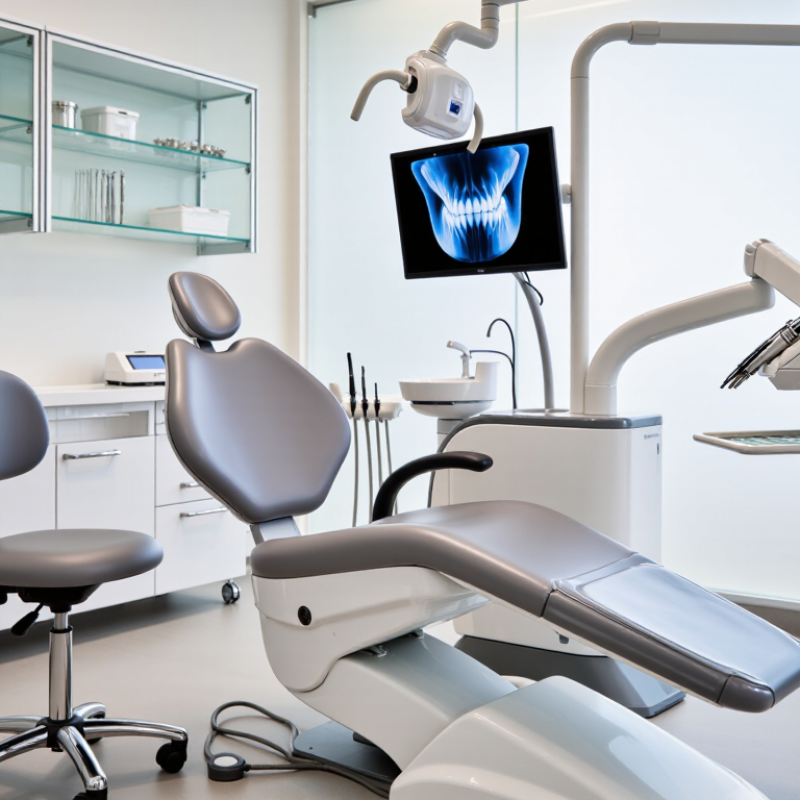
A dental chair may look impressive in a showroom. Yet its adjustment range, upholstery, foot control, and maintenance access matter more during a twelve-hour clinic day. A curing light must deliver consistent performance, not merely a bright display. Digital scanners should fit the team’s workflow, training level, and software environment. Small details often decide whether technology saves time or creates frustration.

Dr. Paul Feuerstein, a respected dental technology educator, said, “Technology is only as good as the person using it.” This principle remains essential when evaluating Dental Equipment Tools. Buyers should examine operator training, calibration procedures, warranty terms, spare-part availability, and technical support. Regional voltage, sterilization requirements, data security, and local compliance should also be verified before purchase.

Experience teaches a difficult lesson. The cheapest device can become the most expensive choice after repeated repairs, delayed treatment, or poor integration. However, premium pricing alone does not guarantee better clinical outcomes. That assumption deserves questioning.

This guide explores the 2026 Dental Equipment Tools market through a practical buyer’s lens. It considers imaging systems, dental units, handpieces, sterilization equipment, laboratory tools, and digital solutions. Each category requires evidence, not promotional language. Product demonstrations, user feedback, service records, and independent specifications can reveal weaknesses that brochures hide. For international buyers, the best decision may be less glamorous, but more dependable.
2026 Top Dental Equipment Tools for Global Buyers?

What Dental Equipment Includes and How Each Category Is Used

For global buyers, dental equipment means more than a chair and a drill. It includes treatment units, handpieces, imaging systems, sterilizers, suction devices, compressors, and laboratory tools. The WHO Global Oral Health Status Report states that nearly 3.5 billion people live with oral diseases. That scale increases demand for reliable, serviceable equipment. Start with the operatory.

A dental chair supports patient positioning, lighting, water delivery, and instrument access. High-speed and low-speed handpieces remove decay, shape teeth, and polish restorations. Intraoral sensors and panoramic systems create diagnostic images, while cone-beam computed tomography provides three-dimensional views for complex planning. Steam sterilizers process reusable instruments under controlled heat and pressure. Suction systems remove fluids and debris. Air compressors power selected instruments, so clean, stable air matters. Small failures become expensive delays.

Fortune Business Insights estimated the global dental equipment market at about USD 7.3 billion in 2023, with continued growth expected through 2032. Market forecasts differ because they classify imaging, furniture, and laboratory devices differently. Buyers should notice that weakness. A low purchase price may hide training, installation, maintenance, and replacement costs. In practical procurement reviews, I would check voltage, water quality, spare-part access, service response, and cleaning compatibility before comparing features. Fancy specifications are not always useful. A device that staff cannot maintain will perform poorly, even when its brochure looks excellent.

Key Dental Tools for Diagnosis, Treatment, Surgery, and Prevention

2026 Top Dental Equipment Tools for Global Buyers

Reliable diagnosis begins with accurate, repeatable tools.

Intraoral cameras help patients see cracked fillings, plaque deposits, and gum inflammation. Digital radiography supports evaluation of caries, bone levels, and impacted teeth. An electronic apex locator can improve working-length control during root canal treatment.

However, imaging quality depends on calibration, positioning, and staff training. A sharp screen cannot correct poor technique. Buyers should check sensor durability, data security, service access, and local radiation requirements before purchase.

Treatment equipment must match clinical workload, not showroom appeal.

High-speed handpieces need stable cooling and simple maintenance. Curing lights require tested intensity, because weak output can leave restorations under-cured. Endodontic motors, ultrasonic scalers, and dental units should offer predictable control.

Surgical care needs sterile instrument sets, surgical suction, irrigation systems, and dependable lighting. Validated sterilization cycles are essential after every procedure.

Small omissions still happen, especially during busy shifts. That risk deserves honest review.

Prevention tools support safer, more consistent daily care.

Ultrasonic scalers remove deposits efficiently, while air-polishing systems can improve stain management when used correctly. Fluoride application trays, periodontal probes, disposable barriers, and hand hygiene stations also matter.

Instrument tracking reduces missed reprocessing steps. Global buyers should request operating instructions, maintenance schedules, training materials, and conformity documents. Local regulations may differ.

A lower purchase price can become expensive when parts, calibration, or qualified technicians are unavailable. Perfect equipment selection is unrealistic; careful verification is not.

How to Evaluate Dental Equipment Quality, Safety, and Compatibility

2026 Top Dental Equipment Tools for Global Buyers?

When evaluating dental equipment, inspect more than polished surfaces and technical claims. Check handpiece vibration, chair movement, cable strain, and control response during a live demonstration. Small noises may reveal poor bearings or loose parts. Ask for calibration records, material specifications, and documented quality-control procedures. Equipment supported by recognized medical-device quality systems, such as ISO 13485, deserves closer consideration, not automatic approval.

Safety requires practical testing. Confirm electrical protection, emergency stops, heat control, waterline management, and sterilization performance. For imaging equipment, review shielding requirements and exposure controls with a qualified professional. Request test reports that match the exact model and configuration. A certificate can look convincing but may not cover every accessory. That detail is often missed.

Compatibility is equally important. Verify local voltage, frequency, plug type, air pressure, water connections, room dimensions, and drainage needs. Check whether software works with existing imaging systems and whether replacement parts remain available. Ask about installation training, maintenance intervals, response times, and service documentation. An adapter may solve one problem and create another. Leave room for uncertainty. A realistic trial period can expose workflow issues that a showroom never shows.

Top Dental Equipment Choices for Different Clinic Types and Budgets

For 2026, dental equipment choices should follow clinic workload, not attractive catalogs. The World Health Organization’s Global Oral Health Status Report estimates that 3.5 billion people live with oral diseases. Demand is broad, but budgets remain uneven.

A solo general clinic usually benefits from a dependable dental chair, digital intraoral sensors, an autoclave, and basic imaging. Choose repairable systems with accessible spare parts. Keep the workflow simple. A community clinic may need two treatment rooms, durable sterilization capacity, and portable equipment. The WHO reports that oral health services remain unevenly distributed, especially in underserved regions. Reliability matters more than advanced features there.

Specialty clinics require different priorities. Endodontic practices may invest in electronic apex measurement, rotary systems, and magnification. Oral surgery clinics need stronger imaging, surgical lighting, suction, and recovery monitoring. Larger practices should calculate usage per hour, maintenance costs, training time, and equipment downtime. The FDI World Dental Federation has repeatedly emphasized prevention, access, and integrated oral healthcare, supporting flexible systems rather than isolated devices.

Cheap equipment can become expensive after repeated repairs. This is often underestimated. Procurement teams should request service records, warranty terms, sterilization compatibility, and local technical support. Market forecasts can show growth, but they rarely reveal installation delays or staff resistance. A careful buyer should test the workflow with real clinicians before approving a purchase. The best choice is not always the newest one.

Global Buying Factors: Certification, Suppliers, Shipping, and Support

2026 Top Dental Equipment Tools for Global Buyers?

Global buying starts with certification, not the catalogue photo. The World Health Organization reports that oral diseases affect nearly 3.5 billion people worldwide (WHO Global Oral Health Status Report, 2022). That scale increases demand, but it also raises purchasing risks. Ask for destination-specific conformity documents, electrical safety test reports, risk-management files, and traceable production records. ISO 13485 certification can indicate a controlled quality system, but it does not automatically prove product safety in every market. Check the actual certificate scope. Small detail, major difference.

Supplier evaluation needs evidence beyond online reviews. Request serial-number traceability, calibration records, spare-parts lists, and recent inspection results. A video factory tour helps, though it can hide weaknesses. An independent pre-shipment inspection is often wiser. Verify response times with a technical question. Slow answers may predict slow warranty support. I would also test one unit before placing a large order. Price comparisons alone are unreliable.

Shipping deserves equal attention. UNCTAD’s Review of Maritime Transport 2024 states that over 80% of global merchandise trade by volume moves by sea. Dental equipment still needs shock protection, humidity control, and accurate customs paperwork. Confirm Incoterms, insurance, delivery duties, and installation responsibilities in writing. Keep photographs of packaging before dispatch. That habit has prevented disputes in real purchasing work. Yet no checklist is perfect; local registration rules, voltage differences, and technician availability can still expose gaps after arrival.


Powder Coat Booths

For those larger-sized parts, or smaller quantity runs, we have 2 independent powder coat booths and ovens. The quality, durability and affordability of today’s powder coating finishes make this the process of choice for world-class companies.

Powder coating advantages over other forms of coating are many. Materials used in the Powder coating process can be metals and non-metals that come in a multitude of thicknesses, textures, colors, etc. Another of Powder coating’s biggest advantages over conventional coatings is its ability to create finishes in many different textures. Powder Coating Booths allow us the ability to apply these advantages to large products.

Wet Paint Line

Tri-State Fabricators runs a full-service conveyor line for painting. Wet painting can provide protection or decoration to many different part styles. From start to finish, every project is easier to undergo random and point-based inspection by our skilled painting team.

Advantages to our Wet Paint Line are these lines start with product prep and ends with a thorough inspection of a high quality finished product. Our ability to complete large and small projects with a superior finish and doing so in a timely and economical fashion. This passes along the savings in production to our customers. When powder coating ins not an option, our Wet Paint Line gets the job done right the first time.

Wet Paint Booths

When the parts get big and heavy we roll-out our custom paint racks and oversize booth. By utilizing our partnerships with all the major paint brands, we can match virtually any color with wet paint.

The advantages of having access to a Wet Paint Booth are many. Large projects of many different shapes can be loaded into the booth. The Wet Paint Booth offers an environment that is much more controlled than a typical parts painting operation.

Not only are they used because of their controlled environment, but they’re are also advantageous when it comes to applying paint to parts that are needed in industries that require specialty coatings such as medical, aerospace, etc.

Military CARC

Our military forces have some very high standards when it comes to the finish of their vehicles and equipment. From the first pre-treatment step to final coat, it takes a great deal of knowledge and experience to protect the men and women of our armed forces. They deserve only the best, and Tri-State Fabricators provides it.

All of our processes are closely monitored by our staff and management teams. Both of which are highly trained in the processes of metal fabrication and finishing. Tri-State Fabricators’ goal is to always fully satisfy each and every customer, including the military. We will always put a 110% into what we do.

Glass-Bead Blasting

Abrasive media blasting is an excellent way to remove old paint, rust, and increase the paint/powder adhesion. Glass beads produce a much smoother and brighter finish than angular abrasives; leaving the part clean yet without any dimensional change. Chemically inert and environmentally friendly, we can recycle our beads approximately 30 times; making them a more preferred method of metal cleaning or surface finishing.

Advantages to Glass Bead Blasting are many. Glass bead blast media is used when a project is needing rough surfaces need to become smooth for applications of coatings such as paint. It is typically used to clean paint and rust from a product surface without deforming the surface it is being used on. Overall, compared to many other blasting media, Glass Bead Blasting is a very economical choice and those savings are always passed on to our customers.

Part Washing

Tri-State Fabricators utilize a zinc phosphate wash to clean and etch the material to ensure the best paint adhesion possible. The unique design of our 3-stage wash system does the work like a 5-stage. From Cleaning and rinsing to conversion coating and post-treatment, Our Part Washing process is a complete service and works throughout the fabrication service and the finishing service.

Along with the previously mentioned benefits, Curing is a vital chemical reaction that leaves the product finish hard and relatively safe from mild abrasion and aggressive corrosion. This process can be done in more than one way; ambient air-dry or in curing ovens at temps that exceed 240°.

Burn-Off Oven

From fixing paint mistakes (someone else’s of course) to simply cleaning our paint line hooks, our burn-off oven is put to good use. After a quick burn-off, a little clean up, and a fresh coat of paint, your parts will look better than new.

Why does our Burn-Off Oven work so well? Because super heating the air around parts turns the materials into ashes. From paint and powder coatings to rubber and machining oils, high temps do the job without degrading the integrity of the part.

Masking

Masking is a vital part of producing high quality products. We have die-cut masking patterns to protect machined surfaces as well as a wide range of plugs and caps to protect threaded holes and bolts. We provide permanent and temporary masking.

Masking allows the selected sections of a product to be protected from a fabrication or finishing service. This can be with both chemicals when etching and tapes, paints when only finishing just a section of the product. Masking is great in aiding the customization process of a project.

Screen Printing

Screen printing is a photographic process that transfers artwork onto a porous nylon screen which allows colored ink to flow through the screen and be deposited on an aluminum or plastic component. We can generally have just about any design created onto a screen for your parts.

Some of the advantages of Screen Printing are, brand recognition for your business displaying on your products, assembly instructions, product warnings/hazards, etc. Tri-State Fabricators produces Screen Printing of the highest quality so you know it’s durable.

Metal Finishing

Metal Finishing is the art of treating the exterior portion of product, often metal but can also be made of other materials, so that the surface is clean and free of any debris. Then the process of applying coats or either paint of powder coat takes place. This coating process improves the quality of the product in both appearance and resistance to wear and corrosion.

Tri-State Fabricators, Inc., understands that a project typically isn’t complete until a high-quality finish has been added to your product. This is why our painting and powder coating teams continuously inspect the products throughout the Metal Finishing process.



