


Choosing the right cosmetic packaging solutions in 2026 requires more than attractive colors and elegant finishes. Packaging must protect formulas, support safe use, and communicate product value within seconds. A lightweight tube may suit a daily cleanser, while an airless pump can help preserve a sensitive serum. Glass jars, droppers, compacts, sachets, and refillable containers each serve different practical needs.
Material compatibility remains essential. Some formulas react with metal springs, absorb into certain plastics, or lose quality after repeated exposure to air. Packaging teams should review viscosity, pH, fragrance oils, light sensitivity, and dispensing accuracy before selecting a format. Small details matter. A smooth pump can reduce product waste. A wide jar may feel luxurious, yet it exposes the formula during every opening.
Sustainability also influences modern packaging decisions. Recycled plastic, aluminum, glass, mono-material designs, and refill systems can reduce environmental impact when properly planned. However, no package is perfect. A refill pouch may use less material, but it can complicate recycling in some regions. Heavy glass may feel premium, yet transportation creates additional emissions. That assumption deserves scrutiny.
This guide examines the top types of cosmetic packaging solutions expected to shape the market in 2026. It considers usability, protection, appearance, manufacturing practicality, and responsible material choices. The discussion draws on packaging principles, real product requirements, and common industry practices. Brands should still validate every choice through stability testing, user trials, supplier documentation, and regional compliance reviews. Trends move quickly. Reliable decisions need evidence.
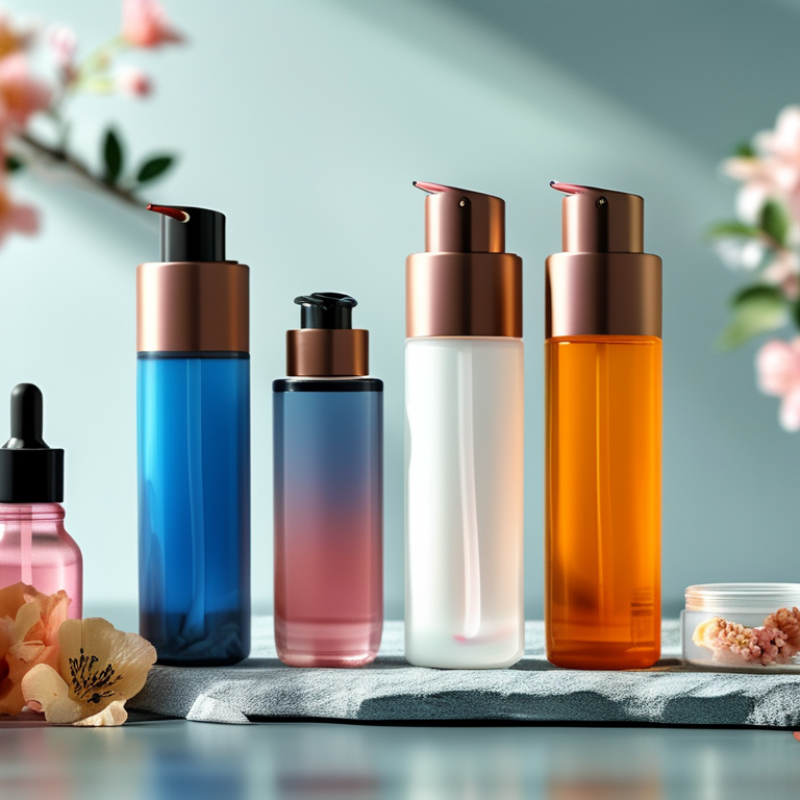
What is cosmetic packaging? It is the system that contains, protects, presents, and delivers a cosmetic product. It includes primary packaging, such as jars, tubes, pumps, and bottles. It also includes cartons, labels, and transport packaging. ISO 21067-1 describes packaging as a means to contain, protect, handle, deliver, and present products. That definition matters because packaging is not decoration alone.
In 2026, packaging choices will increasingly balance hygiene, usability, cost, and environmental impact. Grand View Research estimated the global cosmetic packaging market at about USD 32.4 billion in 2023. Its report also projected steady growth through 2030. The market is expanding, but growth creates pressure. More packaging can mean more material waste. The OECD reported that only 9% of global plastic waste was recycled in 2019. That figure should make every design team pause.
A well-designed pump can reduce finger contact and control dosage. A lightweight tube can lower material use during transport. Refillable systems may reduce waste, but they are not automatically sustainable. Users must actually reuse them. Components also need compatible materials and clear disposal guidance. McKinsey’s 2023 packaging research found that consumers increasingly value recyclability and material reduction. Yet appearance still influences purchase decisions. This creates a difficult trade-off. A glossy multilayer package may look premium but remain hard to recycle. That is an imperfect choice, and the industry should admit it. Better decisions come from testing real use, measuring material impacts, and checking whether customers understand the package after opening it.

2026 Top Types of Cosmetic Packaging Solutions
How Are Cosmetic Packaging Solutions Classified by Product Type?
Cosmetic packaging is best classified by the product it must protect and dispense. Skincare creams often use jars, airless pumps, or squeeze tubes. These formats manage thick textures and reduce unnecessary exposure to air. Serums usually need narrow droppers or measured pumps. Their watery formulas require controlled dosing. Cleansers commonly use pump bottles, tubes, or flip-top containers. Each choice affects hygiene, convenience, and product waste.
Makeup packaging follows a different structure. Foundations need pumps, squeeze tubes, or cushion systems for smooth application. Lip products typically use slim tubes with secure closures. Powders, blushes, and eyeshadows often use compacts with mirrors or protective pans. Fragrance products depend on glass bottles and fine mist sprayers. Haircare products usually require larger bottles, pumps, or refill pouches. Packaging should match viscosity, usage frequency, and bathroom storage conditions. A perfect solution does not exist. I have seen attractive designs fail because users could not empty the final product.
Tips: Test the full package with the real formula. Check leakage, clogging, grip, and dispensing accuracy. Use clear labels and simple opening instructions. Choose materials that balance durability, appearance, and responsible sourcing. Small details matter. A recyclable container still needs practical separation during disposal. Teams should also review user feedback after launch, because laboratory performance may not reflect daily routines.
Modern cosmetic packaging relies on several materials, each solving a different technical problem. Glass offers strong chemical stability and a premium hand feel. It also creates weight and can break during transport. Aluminum is lightweight, opaque, and useful for products affected by light. However, its protective coatings must remain compatible with oils and active ingredients.
Plastic remains common because it is flexible, durable, and cost-efficient. Recycled plastic can reduce demand for virgin resin, while bio-based plastic may lower fossil resource use. These options are not automatically sustainable. Recycling systems differ by region, and dark colors or mixed materials can complicate sorting. Paperboard works well for outer cartons, but moisture can weaken it. Refillable designs may reduce waste, yet they require durable components and simple cleaning routines. No material is perfect.
Tips: Check product compatibility before selecting a container. Test pumps, caps, and seals under heat, cold, and vibration. Keep the material structure simple. Avoid adding decorative layers that hinder recycling. Clear disposal guidance helps consumers, although packaging instructions can still be misunderstood. Packaging teams should review failure records, supplier data, and real user handling. A beautiful package that leaks is not a reliable solution.
| Material | Common Cosmetic Formats | Key Advantages | Typical Limitations | Product Compatibility | Recycling and Sustainability Notes | Best-Fit Applications |
|---|---|---|---|---|---|---|
| Glass | Bottles, jars, perfume flacons, dropper bottles | Excellent barrier against oxygen and moisture; chemically stable; premium appearance; can be reused or recycled | Heavy; breakable; higher transport energy and handling requirements | Suitable for fragrances, serums, creams, oils and many alcohol-based formulas | Recyclability is generally high where glass collection exists; closures, coatings and decorative components may need separation | Premium skincare, fragrance and refillable packaging |
| Aluminum | Tubes, tins, aerosol cans, bottles and caps | Lightweight; strong; opaque; protects light-sensitive formulas; highly recyclable | Can dent; requires internal coatings for some formulas; mining and primary production have significant environmental impacts | Suitable for creams, balms, deodorants, fragrances and pressurized products when properly lined | Widely recyclable, but local systems and product residue affect recovery; recycled aluminum generally uses less energy than primary aluminum | Solid cosmetics, deodorants, travel products and refill systems |
| Polypropylene (PP) | Jars, caps, closures, compacts, airless components | Good chemical resistance; low density; durable; tolerates many filling and processing conditions | Recycling availability varies by region; lightweight parts can be missed by sorting systems | Commonly used for creams, masks, cleansers, color cosmetics and closures | Often identified as resin code 5; recycling depends on local collection and sorting infrastructure | Durable everyday packaging and mono-material designs |
| Polyethylene Terephthalate (PET) | Clear bottles, jars, pumps and travel containers | Clear, lightweight and impact-resistant; good gas and moisture barrier; widely recognized in recycling systems | Some formulas require compatibility testing; multilayer structures and attached components can reduce recyclability | Suitable for lotions, shampoos, cleansers, liquid makeup and many personal-care products | Often identified as resin code 1; recycled content can be incorporated where regulations, supply and quality requirements allow | Clear bottles and lightweight packaging with established recycling pathways |
| High-Density Polyethylene (HDPE) | Opaque bottles, tubes, jars and squeeze containers | Strong; lightweight; good moisture barrier; resistant to many chemicals and household conditions | Usually opaque; compatibility with essential oils, solvents and concentrated actives must be tested | Suitable for shampoos, conditioners, lotions, cleansers and body-care products | Often identified as resin code 2; recycling access varies by municipality and packaging format | Durable bathroom packaging and opaque containers requiring impact resistance |
| Low-Density Polyethylene (LDPE) | Flexible tubes, squeeze bottles, liners and refill pouches | Flexible; lightweight; good moisture resistance; easy product dispensing | Lower stiffness; flexible films and pouches are not accepted in many curbside recycling programs | Suitable for lotions, gels, creams, toothpaste-style products and flexible refills | Often identified as resin code 4; recycling depends heavily on collection of films and flexible packaging | Squeezable packaging and lightweight refill formats |
| Post-Consumer Recycled Plastic (PCR) | Bottles, jars, tubes and caps made from recycled resin | Uses material recovered from consumer waste; can reduce demand for virgin resin; supports circular-material goals | Color, odor, consistency and regulatory requirements may limit use; supply quality varies | Best for compatible products after migration, odor and stability testing; suitability depends on the base polymer | PCR is a recycled-content specification, not a separate polymer; end-of-life performance depends on the underlying resin and design | Packaging programs seeking recycled content without changing the primary format |
| Paperboard and Cartonboard | Folding cartons, sleeves, inserts and outer boxes | Lightweight; printable; renewable fiber source; efficient for secondary packaging | Sensitive to moisture and oil; coatings, laminations, foils and adhesives can complicate recycling | Usually used outside the primary container rather than in direct contact with formulas | Generally recyclable when clean and fiber-based; local rules determine acceptance and fiber recovery | Secondary packaging, gift boxes, product information and shelf presentation |
| Molded Fiber and Paper Pulp | Protective inserts, trays, cartons and specialty containers | Fiber-based; lightweight; suitable for protective structures; can reduce reliance on plastic cushioning | Limited moisture and oil resistance unless treated; surface finish and dimensional precision may vary | Primarily used for secondary or protective packaging, not direct formula containment | Recyclability depends on coatings, additives and local paper-recovery systems; compostability claims require specific conditions | Protective inserts, premium presentation boxes and plastic-reduction projects |
| Bio-Based Plastics | Bottles, jars, tubes, caps and flexible packaging | Can use renewable feedstocks; may provide familiar plastic processing and performance | Bio-based does not automatically mean biodegradable or compostable; feedstock, certification and end-of-life routes vary | Must be evaluated by polymer type, formula compatibility, barrier needs and filling conditions | Should be sorted according to the specific polymer; compostability requires suitable industrial facilities and verified certification | Packaging using renewable feedstocks while retaining conventional plastic formats |
| Cork, Wood and Bamboo Components | Caps, lids, trays, applicator handles and decorative elements | Renewable appearance; tactile premium feel; can add structural or decorative value | May absorb moisture or oils; coatings, glues and mixed-material assemblies affect durability and end-of-life handling | Generally used as an external component rather than a direct-contact barrier for liquid formulas | Renewability depends on responsible sourcing; recycling or composting is limited when combined with plastics, coatings or metal parts | Decorative closures, premium gift packaging and natural-design collections |
Note: Actual recyclability, recycled-content availability and compostability depend on local collection systems, packaging construction, coatings, closures, product residues and applicable regulations. Formula compatibility and stability testing should be completed before commercial use.
Choosing cosmetic packaging starts with the formula, not the visual trend. Creams often suit wide-mouth jars or tubes, while fluid serums may need droppers or controlled pumps. Thick products can struggle inside narrow openings. Lightweight lotions usually work better with pump bottles. The package should protect the product from light, air, moisture, and repeated contact. User habits matter too. A compact tube may be easier during travel, while an airless container can reduce direct exposure during daily use. No format wins every time.
Practical evaluation requires more than a sample review. Packaging specialists should test compatibility, dispensing performance, closure strength, leakage, and label durability. Check the package after heat, cold, vibration, and repeated opening. A formula may look stable for two weeks, then change texture inside an unsuitable component. That is easy to overlook. It is also wise to review material composition, recycling guidance, and production consistency before approval. Clear test records support reliable decisions and help teams explain their choices.
Tips: Match the opening size to the product texture. Test the final formula in the final package. Ask users to operate it with wet hands. Compare waste, filling efficiency, shipping protection, and cost. A beautiful container can still frustrate customers. Sometimes the less impressive option performs better. Recheck assumptions before mass production.
In 2026, cosmetic packaging will prioritize refill systems, mono-material structures, and lighter components. McKinsey’s 2023 survey covered more than 8,000 consumers across 11 countries. It found that 60–70% would pay more for sustainable packaging. That expectation is reshaping jars, tubes, and airless pumps. Refill cartridges may reduce material use, while clear recycling instructions improve everyday disposal. Small changes matter.
Material transparency will become a stronger purchasing signal. UNEP’s 2023 report states that redesign, reuse, and recycling could reduce global plastic pollution by 80% by 2040. Cosmetic packaging developers are therefore testing recycled content, paper-based components, and plastic-free closures. However, “recyclable” does not always mean recyclable locally. A beautiful paper box can still contain hidden coatings, adhesives, or mixed layers. That is an uncomfortable design gap.
Smart and inclusive packaging will also grow. QR codes can show ingredients, disposal steps, batch details, and refill guidance without adding large printed labels. Tactile surfaces, high-contrast text, and easy-grip caps support older users and people with limited dexterity. Smithers’ sustainable packaging outlook identifies lightweighting and circular design as major growth directions through 2028. Yet digital features should not become decoration. A QR code fails when it requires an app, a strong signal, or constant internet access. Practical testing with real users remains essential.
Recycled-content requirements are becoming a major packaging design priority for 2026. The chart shows the EU Packaging and Packaging Waste Regulation targets for plastic packaging, which are influencing the development of recyclable bottles, jars, tubes, pumps, caps, and other cosmetic packaging formats. Brands and manufacturers are increasingly focusing on mono-material structures, recycled PET, lightweight designs, refill systems, and packaging that is easier to collect and recycle.
Source: Regulation (EU) 2025/40 on packaging and packaging waste, Article 7. Percentages represent minimum recycled-content targets by weight for plastic packaging.


For those larger-sized parts, or smaller quantity runs, we have 2 independent powder coat booths and ovens. The quality, durability and affordability of today’s powder coating finishes make this the process of choice for world-class companies.
Powder coating advantages over other forms of coating are many. Materials used in the Powder coating process can be metals and non-metals that come in a multitude of thicknesses, textures, colors, etc. Another of Powder coating’s biggest advantages over conventional coatings is its ability to create finishes in many different textures. Powder Coating Booths allow us the ability to apply these advantages to large products.
Tri-State Fabricators runs a full-service conveyor line for painting. Wet painting can provide protection or decoration to many different part styles. From start to finish, every project is easier to undergo random and point-based inspection by our skilled painting team.
Advantages to our Wet Paint Line are these lines start with product prep and ends with a thorough inspection of a high quality finished product. Our ability to complete large and small projects with a superior finish and doing so in a timely and economical fashion. This passes along the savings in production to our customers. When powder coating ins not an option, our Wet Paint Line gets the job done right the first time.
When the parts get big and heavy we roll-out our custom paint racks and oversize booth. By utilizing our partnerships with all the major paint brands, we can match virtually any color with wet paint.
The advantages of having access to a Wet Paint Booth are many. Large projects of many different shapes can be loaded into the booth. The Wet Paint Booth offers an environment that is much more controlled than a typical parts painting operation.
Not only are they used because of their controlled environment, but they’re are also advantageous when it comes to applying paint to parts that are needed in industries that require specialty coatings such as medical, aerospace, etc.
Our military forces have some very high standards when it comes to the finish of their vehicles and equipment. From the first pre-treatment step to final coat, it takes a great deal of knowledge and experience to protect the men and women of our armed forces. They deserve only the best, and Tri-State Fabricators provides it.
All of our processes are closely monitored by our staff and management teams. Both of which are highly trained in the processes of metal fabrication and finishing. Tri-State Fabricators’ goal is to always fully satisfy each and every customer, including the military. We will always put a 110% into what we do.
Abrasive media blasting is an excellent way to remove old paint, rust, and increase the paint/powder adhesion. Glass beads produce a much smoother and brighter finish than angular abrasives; leaving the part clean yet without any dimensional change. Chemically inert and environmentally friendly, we can recycle our beads approximately 30 times; making them a more preferred method of metal cleaning or surface finishing.
Advantages to Glass Bead Blasting are many. Glass bead blast media is used when a project is needing rough surfaces need to become smooth for applications of coatings such as paint. It is typically used to clean paint and rust from a product surface without deforming the surface it is being used on. Overall, compared to many other blasting media, Glass Bead Blasting is a very economical choice and those savings are always passed on to our customers.
Tri-State Fabricators utilize a zinc phosphate wash to clean and etch the material to ensure the best paint adhesion possible. The unique design of our 3-stage wash system does the work like a 5-stage. From Cleaning and rinsing to conversion coating and post-treatment, Our Part Washing process is a complete service and works throughout the fabrication service and the finishing service.
Along with the previously mentioned benefits, Curing is a vital chemical reaction that leaves the product finish hard and relatively safe from mild abrasion and aggressive corrosion. This process can be done in more than one way; ambient air-dry or in curing ovens at temps that exceed 240°.
From fixing paint mistakes (someone else’s of course) to simply cleaning our paint line hooks, our burn-off oven is put to good use. After a quick burn-off, a little clean up, and a fresh coat of paint, your parts will look better than new.
Why does our Burn-Off Oven work so well? Because super heating the air around parts turns the materials into ashes. From paint and powder coatings to rubber and machining oils, high temps do the job without degrading the integrity of the part.
Masking is a vital part of producing high quality products. We have die-cut masking patterns to protect machined surfaces as well as a wide range of plugs and caps to protect threaded holes and bolts. We provide permanent and temporary masking.
Masking allows the selected sections of a product to be protected from a fabrication or finishing service. This can be with both chemicals when etching and tapes, paints when only finishing just a section of the product. Masking is great in aiding the customization process of a project.
Screen printing is a photographic process that transfers artwork onto a porous nylon screen which allows colored ink to flow through the screen and be deposited on an aluminum or plastic component. We can generally have just about any design created onto a screen for your parts.
Some of the advantages of Screen Printing are, brand recognition for your business displaying on your products, assembly instructions, product warnings/hazards, etc. Tri-State Fabricators produces Screen Printing of the highest quality so you know it’s durable.
Metal Finishing is the art of treating the exterior portion of product, often metal but can also be made of other materials, so that the surface is clean and free of any debris. Then the process of applying coats or either paint of powder coat takes place. This coating process improves the quality of the product in both appearance and resistance to wear and corrosion.
Tri-State Fabricators, Inc., understands that a project typically isn’t complete until a high-quality finish has been added to your product. This is why our painting and powder coating teams continuously inspect the products throughout the Metal Finishing process.

