2026 Top Chemical Hose Types for Global Buyers What to Know?
In the evolving landscape of industrial applications, the demand for reliable and durable chemical hoses is more critical than ever. Knowing the top chemical hose types available in 2026 can help global buyers make informed decisions. Each hose type has specific features, benefits, and limitations that must be understood.
Chemical hoses are designed to transport various chemicals safely. Their construction materials vary significantly, impacting performance and longevity. As buyers, evaluating factors such as chemical compatibility, temperature tolerance, and pressure ratings is essential. This offers insight into the suitability of each hose for specific applications.
Innovation in hose technology is continuous. New materials and manufacturing techniques are emerged. However, it is important to remain cautious. Not all products live up to expectations. Understanding the strengths and weaknesses of different hose types can prevent costly mistakes. Buyers should always prioritize research and reliable sources when exploring options.
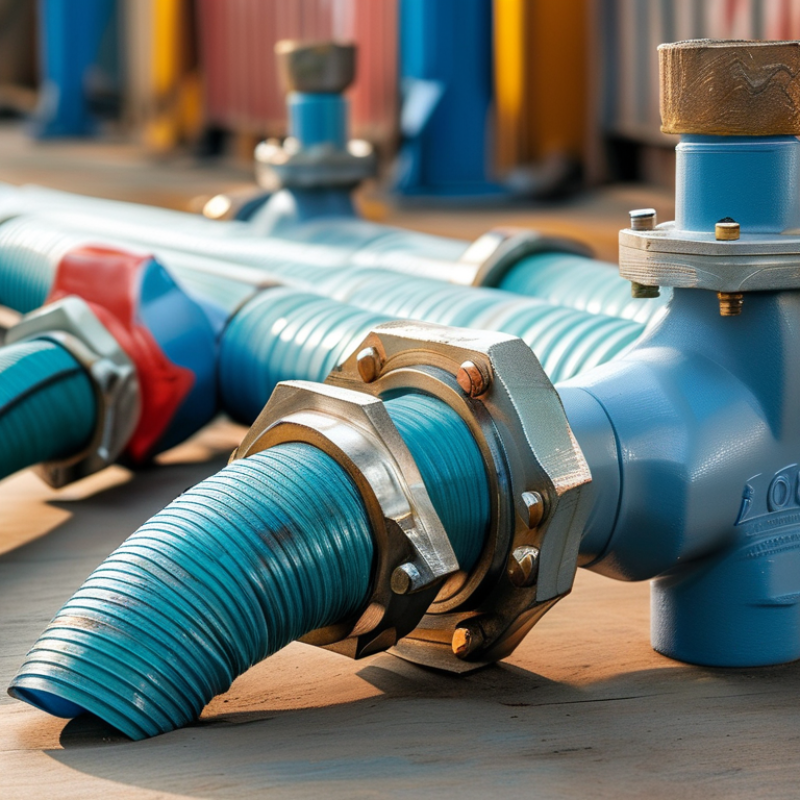
Overview of Chemical Hoses and Their Importance in Industries
Chemical hoses play a critical role in various industries. They are essential for transporting hazardous substances safely. This includes chemicals, acids, and other industrial materials. The right hose type ensures that these substances do not leak or cause environmental harm.
Selecting the proper chemical hose requires careful consideration. Factors like material compatibility and temperature resistance are crucial. Each application has unique requirements. Therefore, industry professionals must be knowledgeable about available options. Some hoses may fail under high pressure or extreme temperatures. Knowing the specifications can prevent dangerous situations.
Moreover, regular maintenance is often overlooked. Neglecting inspection can lead to unexpected failures. It's essential to pay attention to wear and tear. Timely replacement can ensure safety and efficiency. The right approach to chemical hoses not only protects workers but also the environment.
Common Types of Chemical Hoses Available in the Global Market
When selecting a chemical hose, understanding common types is crucial for buyers. Chemical hoses are designed to handle various substances, ensuring safety and efficiency. Options include EPDM, rubber, and Teflon hoses. Each type offers unique benefits depending on the chemicals being transported.
EPDM hoses are versatile and resistant to heat and weathering. They are commonly used in agricultural and industrial applications. Rubber hoses provide durability but may not withstand highly corrosive chemicals. Teflon hoses stand out for their chemical resistance and are ideal for transferring aggressive substances, but they often come at a higher cost.
Buyers should be aware of compatibility issues. A type that works well for one chemical may not suit another. This brings potential risks if not thoroughly evaluated. Regular inspections and maintenance are necessary to ensure longevity. Understanding these types aids in making an informed decision that prioritizes safety and effectiveness.
Key Factors to Consider When Selecting Chemical Hoses
When selecting chemical hoses, buyers need to consider several key factors. First, the hose material is crucial. Different chemicals require compatible materials, such as PTFE or rubber. According to a 2022 industry report, 40% of hose failures were due to improper material selection. It highlights the importance of matching hose materials with the specific chemicals to avoid degradation and safety hazards.
Durability is another significant factor. Chemical hoses must withstand various environmental conditions. A strong hose should resist abrasion and aging, as indicated in a recent study showing that only 30% of hoses maintained their integrity after five years outdoors. Buyers should evaluate the hose's operational temperature and pressure ratings as well.
Tips: Always ask for detailed specifications before purchasing. Consider the maximum temperature and pressure for safe usage. Regular inspections can prevent unexpected failures. It's essential to stay informed about industry standards and advancements. Reassessing the existing hoses periodically can save costs and improve safety in the long run.
Best Practices for Maintaining Chemical Hoses for Longevity
Maintaining chemical hoses is crucial for ensuring operational efficiency and safety. Regular inspection is key. Look for signs of wear, such as cracks or discoloration. Visual checks can reveal early issues. It's better to act before a hose fails. Proper storage also matters. Store hoses away from direct sunlight and extreme temperatures. This simple action can extend their lifespan significantly.
Cleaning hoses is another important step. Use a suitable solvent that won't damage the hose material. Rinse thoroughly to avoid contamination. Improper cleaning can lead to chemical buildup and affect performance. Sometimes, hoses may become deformed or kinked. Store them in a manner that prevents these issues. A well-organized storage area can prevent mishaps.
Training personnel is essential as well. Ensure that all users understand how to handle and inspect hoses. Regular training sessions can highlight potential hazards. Keeping everyone informed fosters a safety-conscious environment. Sometimes, people overlook minor issues. Small lapses can lead to major repercussions. Promote awareness among your team for best practices.
Future Trends in Chemical Hose Manufacturing and Usage
Future trends in chemical hose manufacturing focus on advanced materials and sustainability. Manufacturers are investing in creating hoses that resist chemical corrosion better. They utilize innovative polymers that enhance durability while being eco-friendly. This trend meets the growing demand for sustainable industrial practices.
Tips for buyers include understanding the specific chemical compatibility of the hoses. Thorough research can prevent costly mistakes. Not all hoses are created equal; some may not withstand harsh environments. Consider the working temperature and pressure for optimal performance.
The market is seeing increased automation in production processes. This shift improves quality control and consistency. However, it can lead to unforeseen quality issues if not managed correctly. Adopting a proactive approach to quality checks is essential. Balancing innovation with reliability is a challenge that manufacturers will continue to face.





