2026 Top Ceramic Valve Liner Guide for Global Buyers?
The global market for Ceramic Valve Liners is rapidly evolving. According to a recent report by MarketsandMarkets, the sector is projected to grow at a CAGR of 5.2% from 2023 to 2028. With increasing demand for high-performance materials in industries like oil and gas, the significance of Ceramic Valve Liners cannot be overstated. The durability and efficiency of these components set them apart in harsh environments.
Industry expert Dr. Mark Thompson emphasizes this point, stating, "Ceramic Valve Liners are crucial for enhancing operational lifespan and reducing maintenance costs." His insights highlight the importance of selecting the right materials for specific applications. However, buyers must navigate a complex landscape of suppliers and technologies. This complexity can lead to misjudgments, particularly in understanding material specifications and performance standards.
As the Ceramic Valve Liner market matures, remaining informed is paramount. Buyers often face difficulty discerning quality among the plethora of available options. Investing time in research is essential but can be overwhelming. It’s a reminder that while opportunity exists, making informed decisions is vital for success.
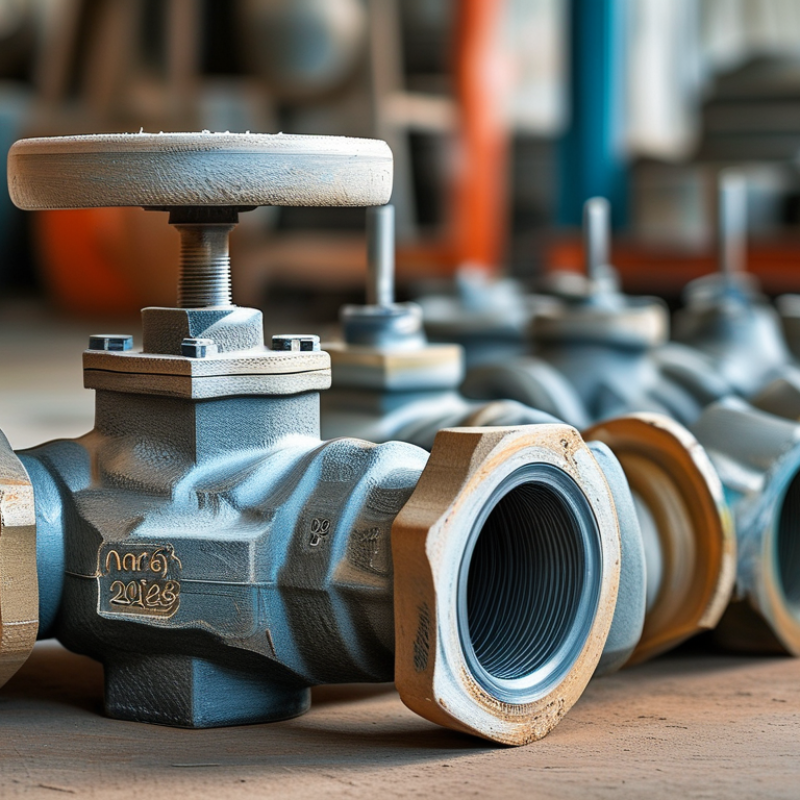
Overview of Ceramic Valve Liners and Their Applications
Ceramic valve liners are crucial components in various industrial applications. They offer excellent wear resistance, chemical stability, and thermal integrity. These characteristics make them suitable for harsh environments like chemical processing and oil refining. These liners can endure extreme temperatures and corrosive substances, which boosts the lifespan of the valves.
In industries that require precision and reliability, ceramic valve liners play a vital role. They reduce friction and enhance operational efficiency. Despite their advantages, challenges persist, such as potential brittleness under specific loads. Some may underestimate the importance of proper installation, which can lead to premature failure. Ensuring the right fit and compatibility with the valve body is essential for optimal performance.
Industry professionals emphasize ongoing research to optimize materials used in valve liners. With evolving technology, the focus is on improving durability while maintaining performance. Buyers need to consider both the pros and cons when selecting ceramic valve liners. A thoughtful approach helps in making informed decisions that align with operational needs.
Key Features and Benefits of Ceramic Valve Liners
Ceramic valve liners are gaining recognition in various industries for their impressive properties. These liners are primarily used to protect valves from wear and tear. They excel in high-temperature environments. Reports indicate that the global ceramic coatings market is expected to reach $10 billion by 2025, showcasing the growth and demand for ceramic products.
One key feature of ceramic valve liners is their excellent hardness. This property allows them to withstand abrasive materials. Their chemical resistance means they perform well with various fluids. In fact, studies have shown that ceramic liners can extend valve life by more than 50%. This durability also leads to reduced maintenance costs.
When considering ceramic valve liners, think about their compatibility. Not all liners suit every application. Selecting the right liner requires understanding the specific operational environment. Regular inspections are essential to identify wear patterns early. Maintenance should be a proactive process rather than reactive. Ultimately, investing in quality ceramic liners pays dividends in performance and longevity.
Factors to Consider When Selecting Ceramic Valve Liners
When selecting ceramic valve liners, several crucial factors demand attention. The quality of materials is paramount. High-purity alumina ceramics show significant resistance to wear and corrosion, often extending lifespan and reliability. A study indicated that ceramic liners may endure abrasion three times longer than their metallic counterparts. This durability can yield substantial long-term cost savings, especially in industries like oil and gas.
Another vital consideration involves thermal stability. Ceramic valve liners perform exceptionally well under high temperatures, which can reach up to 1,600°F in specialized applications. However, not all ceramics perform uniformly. Testing for thermal cycling can prevent premature failures. Rigorous data indicates that adherence to proper thermal management during operation is crucial for maintaining performance.
Furthermore, compatibility with fluids is essential. Certain ceramic materials may react adversely with specific chemicals, leading to degradation or failure. Industry reports suggest that nearly 25% of valve failures are attributed to incompatible material selection. Understanding the chemical properties of the working environment can mitigate risks significantly. Attention to these factors can forge a path to more efficient and reliable operations in various sectors.
2026 Top Ceramic Valve Liner Guide for Global Buyers
| Feature | Importance | Common Materials | Applications | Cost Range (USD) |
| Temperature Resistance | High | Alumina, Zirconia | Oil and Gas, Chemical Processing | $50 - $200 |
| Wear Resistance | High | Silicon Carbide, Zirconia | Mining, Water Treatment | $70 - $250 |
| Corrosion Resistance | Medium | Alumina | Chemical Processing, Marine Applications | $40 - $150 |
| Thermal Shock Resistance | High | Zirconia | Power Generation, Aerospace | $60 - $300 |
| Dimensional Stability | Medium | Alumina, Silicon Carbide | Automotive, Industrial Applications | $45 - $175 |
Top Manufacturers and Suppliers of Ceramic Valve Liners in 2026
The ceramic valve liner market is evolving rapidly. In 2026, global buyers will encounter a range of top manufacturers and suppliers. Recent reports indicate that the market for ceramic valve liners is expected to grow at a CAGR of 5.2% from 2023 to 2028. This growth is driven by the increasing demand for durability and resistance to wear in various industrial applications. The integration of advanced manufacturing techniques is enhancing the performance of these liners, making them more attractive to buyers.
Key players in the market are focusing on innovation and sustainability. They aim to produce liners that not only meet industry standards but also have a lower environmental impact. The rising emphasis on green technologies could reshape production processes. While some manufacturers are embracing these trends, others struggle to adapt. This divergence may impact market dynamics, leading to potential supply chain challenges.
Market research highlights that buyers should consider factors such as material quality, supplier reliability, and after-sales support. A survey indicated that 68% of buying companies value long-term relationships with suppliers. Yet, many buyers still face difficulty assessing the credibility of new entrants. This could lead to hesitation, even when excellent products are available. Building trust in this competitive landscape is crucial for successful transactions.
2026 Top Ceramic Valve Liner Market Analysis
This chart represents the projected market share of ceramic valve liners by application in 2026. The data shows the distribution of usage across different industries, highlighting where demand is expected to be the highest.
Market Trends and Future Outlook for Ceramic Valve Liners
The ceramic valve liner market is evolving rapidly, driven by technological advancements and increasing demand for durable materials. Buyers are looking for liners that can withstand harsh environments. The trend indicates a shift towards more sustainable manufacturing processes. These developments are critical for industries relying on high-performance equipment.
Future outlook for ceramic valve liners appears promising. With enhanced properties like heat and corrosion resistance, these liners are becoming essential. Innovations in production methods are expected to reduce costs and improve efficiency. However, there's a need for more comprehensive testing and quality control measures. Ensuring product reliability remains a challenge for manufacturers.
Market trends suggest a growing emphasis on customization. Buyers are seeking tailored solutions that meet specific operational needs. While this trend presents opportunities, it also poses questions about scalability and production consistency. Balancing custom demands with mass production efficiency is crucial for future success.





