2026 Top Aeration Diffuser Suppliers for Global Buyers
Choosing an Aeration Diffuser supplier in 2026 requires more than comparing catalogue prices. Global buyers need stable oxygen transfer, predictable delivery, and responsive technical support. A diffuser may look simple. Its membrane, pore structure, connection size, and air demand affect the entire treatment system. In operating plants, small differences appear in blower loading, bubble distribution, maintenance time, and energy costs. This guide introduces leading supplier categories and practical selection criteria for municipal, industrial, aquaculture, and decentralized applications.
The evaluation considers manufacturing experience, product consistency, testing methods, material quality, and international service capability. Important evidence may include oxygen transfer data, pressure-loss curves, operating temperature limits, warranty terms, and installation instructions. Buyers should also examine production capacity, spare-part availability, packaging quality, and communication during technical changes. A low purchase price can become expensive when membranes fail early or replacement parts cross several borders. Ask for project references. Check the details.
No ranking is perfect. Supplier performance can vary by model, factory, region, and application. Published specifications may also use different test conditions, making direct comparisons difficult. Therefore, this article encourages buyers to verify claims through samples, independent testing, and carefully documented quotations. Reliable suppliers explain limitations instead of promising universal results. The strongest choices usually combine proven Aeration Diffuser designs, transparent data, responsive engineering, and realistic delivery commitments. Practical judgment still matters. This overview supports better decisions, but each project deserves its own airflow calculations, water-quality review, and lifecycle cost assessment.
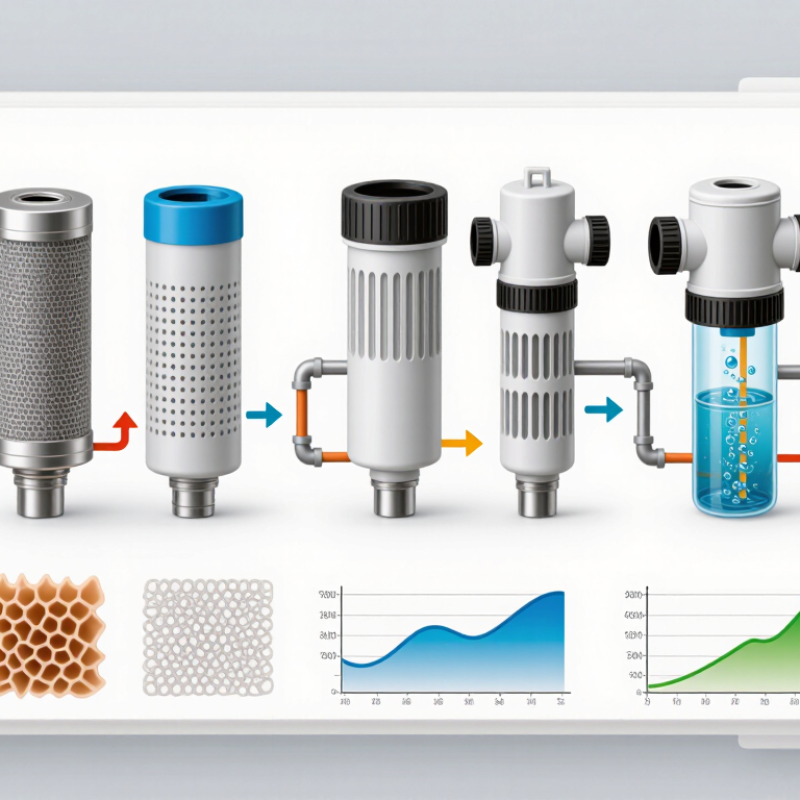
What Aeration Diffusers Are and How They Support Water Treatment
Aeration diffusers are devices that release air beneath the water surface. They usually use flexible membranes or porous materials. Small openings create bubbles across the treatment basin. As bubbles rise, oxygen moves from the air into the water. This supports microorganisms that break down organic pollutants in activated sludge systems.
Diffusers also improve circulation and reduce stagnant zones. Stable oxygen levels help operators control odors and protect biological performance. Fine bubbles often transfer oxygen efficiently, but they can create higher resistance. Dirty air lines, mineral deposits, and damaged membranes may increase blower pressure.
In practical inspections, uneven bubbling is an early warning sign. It should not be ignored. A diffuser is not a magic solution. Poor basin design, excessive solids, or incorrect airflow can still reduce treatment results. I have seen systems perform poorly because maintenance records were incomplete.
Tips: Check bubble patterns during routine operation. Compare blower pressure with the original commissioning data. Clean or replace diffusers when airflow becomes uneven. Choose materials that match wastewater temperature, chemicals, and cleaning methods. Keep spare components available, especially for remote treatment sites. Small details matter. Yet operating conditions can change faster than expected, so diffuser selection should include future load changes and seasonal temperature differences.
Key Types of Aeration Diffusers for Different Treatment Systems
Key Types of Aeration Diffusers for Different Treatment Systems
Choosing an aeration diffuser starts with oxygen demand, basin depth, solids concentration, and cleaning access. Fine-bubble disc and tube diffusers transfer oxygen efficiently in municipal activated-sludge tanks. The U.S. EPA reports that aeration can consume 25–60% of a wastewater plant’s electricity, so small efficiency gains matter. Membrane pores create many small bubbles, like a steady mist rising through a three-meter basin. However, fouling can increase pressure loss when grease or filamentous growth accumulates.
Coarse-bubble diffusers suit equalization tanks, grit chambers, and wastewater with heavy solids. Their larger bubbles provide stronger mixing and resist clogging, although oxygen-transfer efficiency is lower. Ceramic diffusers tolerate heat and aggressive industrial liquids, but they may demand more maintenance and careful handling. Jet aeration and aspirating systems can support deep tanks, variable loading, or compact treatment layouts. The 2024 Global Water Intelligence market analysis identifies energy reduction and process flexibility as major wastewater investment drivers. That trend supports adjustable air control, dissolved-oxygen sensors, and zone-based distribution rather than constant airflow.
SBR and MBBR systems need flexible layouts. Disc grids work well in cyclic basins, while tube diffusers can fit narrow channels and removable frames. Selection is not purely technical. Operators should compare oxygen-transfer testing, membrane life, blower turndown, and local service capacity. Field performance often differs from laboratory data. That uncomfortable gap deserves attention. A diffuser rated for clean water may perform poorly in a biological tank. Suppliers should provide fouling assumptions, airflow ranges, and test conditions before global buyers approve a specification.
How to Evaluate Global Aeration Diffuser Suppliers in 2026
How to Evaluate Global Aeration Diffuser Suppliers in 2026
Global buyers should evaluate aeration diffuser suppliers through verified performance, not attractive catalog claims. Request airflow curves, oxygen transfer data, pressure-loss results, and testing conditions. Data without water temperature, tank depth, and diffuser spacing has limited value. Ask for a sample test in water similar to your application.
Inspect the membrane material, pore structure, frame strength, and connection design. EPDM may suit many municipal systems, while silicone can perform differently in industrial wastewater. Confirm resistance to oils, solvents, cleaning chemicals, and long operating cycles. Small details matter.
Check production consistency. Ask how suppliers control pore size, bonding, and batch traceability. Reliable suppliers should provide inspection records, installation guidance, spare-part plans, and clear warranty terms. They should also explain shipping lead times, packaging protection, and technical support across time zones. Compliance documents must match the destination market and actual product configuration.
Do not judge price alone. A cheaper diffuser may create higher blower demand or require earlier replacement. Calculate lifecycle cost using energy use, cleaning frequency, labor, and expected service life. Field references are useful, but request comparable projects rather than impressive project counts. Some supplier claims remain difficult to verify. That deserves caution.
A practical evaluation can score performance, materials, documentation, support, and delivery risk separately. Leave room for uncertainty. Real wastewater is rarely as predictable as a laboratory test.
Leading Supplier Regions and Their Manufacturing Strengths
2026 Top Aeration Diffuser Suppliers for Global Buyers
Leading Supplier Regions and Their Manufacturing Strengths
China remains a major sourcing base for aeration diffusers, supported by large-scale plastics processing and stainless-steel fabrication. Suppliers commonly offer EPDM, silicone, and PTFE membrane options. This variety suits municipal plants, aquaculture facilities, and industrial wastewater systems. According to the China Association of Environmental Protection Industry, China’s wastewater treatment capacity continues expanding, creating strong domestic testing demand. However, low pricing alone can hide uneven membrane quality. Buyers should inspect pore uniformity, adhesive strength, and oxygen-transfer test records.
Germany, Italy, and other European manufacturing centers emphasize process control, energy efficiency, and long service life. Their suppliers often provide detailed airflow curves, pressure-loss data, and batch traceability. The European Environment Agency reports that wastewater treatment remains a major infrastructure priority across Europe. North American suppliers typically focus on retrofit compatibility, engineering support, and documented field performance. Grand View Research has identified rising investment in advanced wastewater treatment as a key market driver. Figures differ between reports, so buyers should question optimistic forecasts.
Tips: Request clean-water oxygen-transfer results at your operating airflow. Check membrane replacement intervals, connection sizes, and warranty exclusions. Ask for samples from current production, not showroom stock. A small pilot test may reveal uneven bubbles, excessive backpressure, or premature cracking. I would not choose a supplier by region alone. Manufacturing discipline matters more.
2026 Top Aeration Diffuser Supplier Regions and Manufacturing Strengths
Comparative regional assessment based on manufacturing scale, membrane-material expertise, customization capability, and export readiness. Scores use a 1–5 scale and indicate relative strength rather than market share.
East Asia leads in production scale and cost-efficient volume manufacturing, while Western Europe is especially strong in engineered membrane systems and environmental-process customization. North America offers reliable project support and specialized system integration, and Southeast Asia continues to expand its export-oriented manufacturing capacity.
Buyer Checklist for Comparing Aeration Diffuser Suppliers
When comparing aeration diffuser suppliers in 2026, begin with operating evidence, not attractive catalog photos. Ask for oxygen transfer data under conditions close to your basin depth, airflow rate, temperature, and wastewater quality. Test data matters.
Check membrane material, pore size, connection design, and resistance to oil, grease, scaling, and biological fouling. A supplier should explain how performance changes after months of use. Request installation drawings, cleaning guidance, replacement procedures, and recommended airflow limits. Vague answers deserve caution.
Evaluate quality control through batch records, inspection reports, and documented production standards. Ask whether each diffuser receives leak testing before shipment. Confirm lead times, spare-part availability, packaging protection, and technical support across your operating region. A strong supplier can provide references from similar municipal or industrial applications, with measurable results rather than general praise.
Compare quotations using lifetime cost. A cheaper diffuser may demand higher blower energy or frequent replacement. Review warranty terms carefully, including exclusions for improper airflow, chemical exposure, or installation errors. Also check whether the supplier can help size the system without forcing one standard design.
Do not rely on one calculation. Real basins contain uneven loading, changing temperatures, and maintenance delays. I have seen designs perform well in clean water but lose efficiency in actual wastewater. That gap deserves honest discussion. Ask for pilot testing when site conditions remain uncertain.





