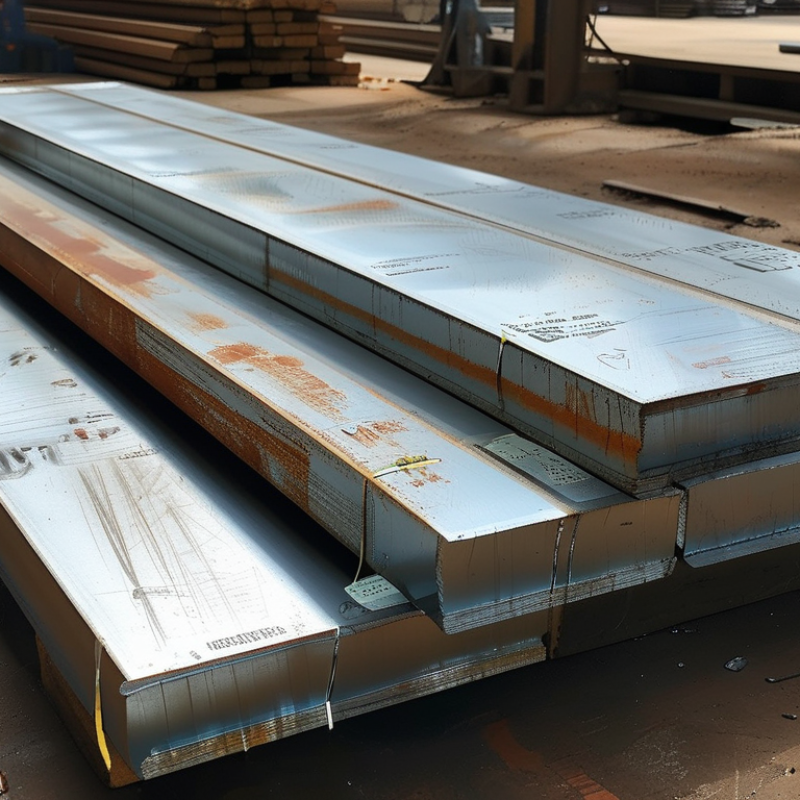
2026 Top Stainless Steel Flat Bar Guide for Global Buyers?
The global market for Stainless Steel Flat Bars is evolving rapidly. Buyers must stay informed about trends and specifications. The stainless steel flat bar is vital in construction, manufacturing, and engineering. Its durability and resistance to corrosion make it an essential material.
This guide aims to provide insights into the selection process for stainless steel flat bars. Understanding various grades and finishes is crucial for making informed decisions. Each type has unique characteristics that influence performance and application. Buyers should consider these factors carefully.
While many suppliers offer stainless steel flat bars, quality can vary significantly. Not all products meet industry standards. Conducting thorough research and asking the right questions is essential. The decision should not be solely based on price. Quality and reliability should lead the evaluation process.
Overview of Stainless Steel Flat Bars and Their Uses
Stainless steel flat bars are essential in various industries due to their strength and versatility. They are widely used in construction, automotive, and manufacturing sectors. According to a recent market report, the global stainless steel flat bar market is expected to grow by over 5% annually through 2026. This growth highlights the critical role these materials play in modern applications.
In construction, stainless steel flat bars provide structural support. Builders value their corrosion resistance and durability. They are often incorporated into beams, columns, and frames, allowing for the creation of robust structures. In the automotive sector, lightweight stainless steel flat bars enhance fuel efficiency. This trend is crucial, especially as environmental regulations tighten globally.
However, sourcing quality stainless steel flat bars can be challenging. Variations in production methods and material standards exist. Buyers must research suppliers thoroughly to ensure compliance with international standards. Additionally, while stainless steel offers excellent durability, it requires careful handling and processing. Improper techniques can lead to surface defects, impacting the material’s performance. This reflection emphasizes the importance of expertise and attention to detail in the industry.
Key Specifications and Grades of Stainless Steel Flat Bars
Stainless steel flat bars are crucial in various industries. Understanding their specifications and grades is key for global buyers. These bars are typically classified by their chemical composition. Common grades include 304, 316, and 410. Each grade has specific properties, making them suitable for different applications.
Grade 304 offers excellent corrosion resistance and is commonly used in food processing environments. Grade 316 has superior resistance to pitting and is often chosen for marine applications. On the other hand, Grade 410 is martensitic and provides good hardness, making it ideal for applications requiring strength.
Tips: When selecting a stainless steel flat bar, consider the environment it will be used in. Review its properties against your project requirements. Some buyers overlook the importance of testing samples before making large orders. This step can prevent costly mistakes.
The size and thickness of the flat bar also matter. Standard sizes may not fit every project requirement. Customization can be necessary, leading to longer lead times. Be prepared for these delays by planning ahead. Keep in mind that not all suppliers have the same quality standards. Research and choose reliable sources for your materials.
Top Global Suppliers and Manufacturers of Stainless Steel Flat Bars
The stainless steel flat bar market is thriving due to diverse industrial applications. Demand continues to rise across sectors like construction, automotive, and manufacturing. According to recent reports, the global stainless steel flat bar market is expected to reach USD 7 billion by 2026. This growth highlights significant opportunities for suppliers and manufacturers worldwide.
Top suppliers specialize in producing high-quality stainless steel flat bars. They utilize advanced manufacturing techniques and stringent quality control measures. Metrics show that the top manufacturers collectively account for nearly 30% of the market share. However, challenges exist, such as fluctuating raw material prices and supply chain disruptions. Companies must navigate these complexities to maintain their competitive edge.
Reliability and expertise are critical in selecting a supplier. Buyers should research and assess manufacturing capabilities. Transparency in quality certifications can also provide valuable insights. Understanding market dynamics will help buyers make informed decisions. It is vital to keep track of industry trends, as the landscape evolves rapidly. Engaging with knowledgeable suppliers can lead to fruitful partnerships in this ever-expanding market.
Trends in the Stainless Steel Flat Bar Market for 2026
In 2026, the stainless steel flat bar market is expected to witness significant trends. According to industry forecasts, the global market for stainless steel flat bars is projected to reach $12 billion by 2026, growing at a compound annual growth rate (CAGR) of 5.2%. The demand is driven by diverse applications, particularly in construction and manufacturing sectors.
A report from the International Stainless Steel Forum highlights that the construction industry will account for over 45% of the flat bar usage. The push for durable and corrosion-resistant materials is a key factor. Manufacturers are adapting to rising environmental standards. This trend presents both opportunities and challenges. There’s a noticeable shift toward low carbon production methods, yet some producers struggle with the high costs associated with these technologies.
Another critical trend involves material innovation. Research indicates that the introduction of new alloys could enhance the performance of stainless steel flat bars. However, there is skepticism about the market's ability to integrate these innovations swiftly. Quality control remains a concern. As suppliers race to meet increasing demand, maintaining product standards could become problematic. The equilibrium between meeting demand and ensuring reliability is vital for the market's stability.
2026 Global Stainless Steel Flat Bar Market Trends
Factors to Consider When Purchasing Stainless Steel Flat Bars
When purchasing stainless steel flat bars, several factors deserve attention. The grade of stainless steel is crucial. Different grades offer varied corrosion resistance, strength, and weldability. The common grades are 304 and 316, each suitable for different environments. It's vital to consider where the flat bars will be used, as this affects material choice.
Another important factor is the dimensions. Stainless steel flat bars come in various thicknesses and widths. Buyers should identify the specific size requirements for their projects. Inaccurate measurements can lead to delays and additional costs. It often helps to visualize the project before finalizing dimensions.
**Tips:** Always request samples before making bulk purchases. They help assess quality. Check the supplier’s certifications to ensure reliability. Don't overlook label details; they often highlight essential characteristics of the material. Reflect on your specific needs and avoid impulse buying. This ensures you choose the right flat bar for the job.