2026 Top Rock Wool Acoustic Panel Buying Guide for Professionals?
When it comes to creating an optimal acoustic environment, the choice of materials plays a crucial role. Rock Wool Acoustic Panels have gained popularity for their effective sound absorption properties. This buying guide aims to empower professionals with reliable insights into selecting the best panels for their specific needs.
Understanding the characteristics of Rock Wool Acoustic Panels can significantly enhance acoustic performance in various settings. These panels are not only effective but also versatile, making them suitable for offices, recording studios, and home theaters. However, choosing the right product requires careful consideration of several factors. Balancing quality, price, and aesthetics can be challenging.
Navigating the market is often overwhelming due to the sheer number of options available. It’s vital to rely on expert recommendations and product reviews. This ensures that the selected Rock Wool Acoustic Panel meets both performance and safety standards. Engaging with professionals in the field enhances confidence in your choices. With this guide, you will gain a deeper understanding of what to look for in Rock Wool Acoustic Panels, ensuring a more informed purchasing decision.
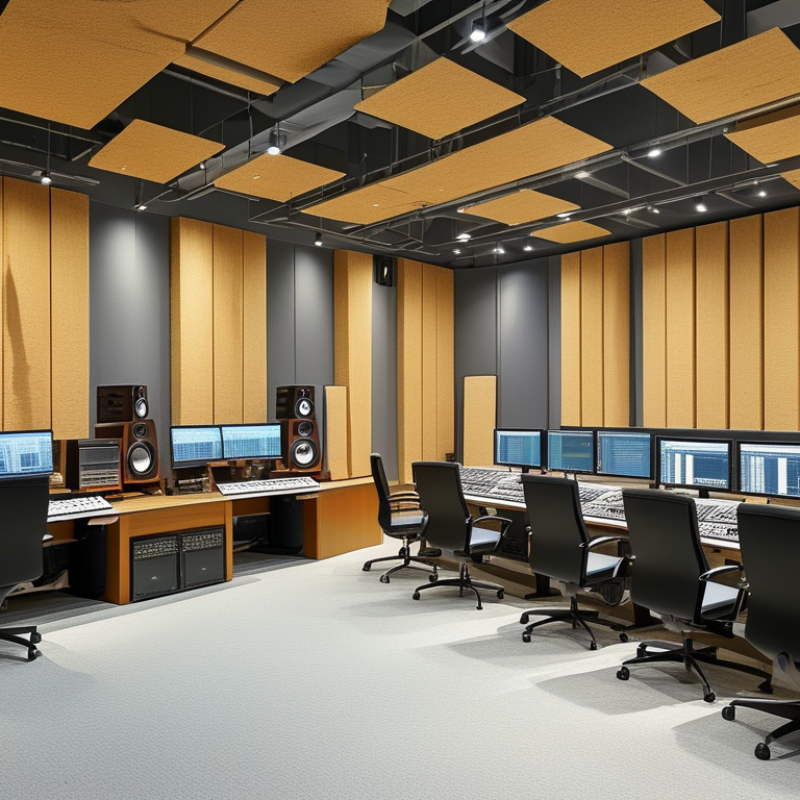
Overview of Rock Wool Acoustic Panels and Their Benefits
Rock wool acoustic panels are a popular choice for soundproofing spaces. These panels consist of fibers made from natural stone. They are known for their excellent sound absorption properties. This makes them ideal for recording studios, offices, and residential areas. The unique structure of rock wool allows for effective noise control. It can help reduce echo and improve sound clarity.
Using rock wool panels has various benefits. They can enhance privacy in shared spaces. Their fire-resistant qualities add safety. Additionally, these panels are sustainable, made from natural materials. Installation is straightforward, creating a seamless finish in any area. However, some might find the cost a concern. Proper installation requires careful planning to achieve the best results.
Despite their advantages, there are aspects to consider. Rock wool can be irritating to handle without protective gear. It's crucial to follow safety guidelines during installation. Users must also account for possible dust generation over time. Awareness of these factors ensures a safer experience. Ultimately, rock wool acoustic panels offer a solid solution for sound management.
Key Features to Consider When Buying Rock Wool Acoustic Panels
When selecting rock wool acoustic panels, it's essential to focus on key features that impact performance. First, consider the density of the panel. Higher density often means better sound absorption. Look for panels that have a density ranging from 40 to 80 kg/m³. This gives you a balance between weight and acoustic performance.
The thickness of the panels is another crucial factor. Thicker panels generally provide superior soundproofing capabilities. A thickness of around 50mm is common for effective noise reduction. Additionally, check the panel’s fire resistance. Rock wool is naturally fire-resistant, but confirming its rating is vital for safety.
Installation must also be considered. Some panels require specific mounting hardware or adhesive. Understand the environment where you will place them. Rooms with high humidity may need different considerations. Finally, think about aesthetic options. While functionality matters most, an attractive appearance can enhance a space. Visualization of how the panels will look is sometimes overlooked. Ensure the panels fit well with your design vision.
2026 Top Rock Wool Acoustic Panel Buying Guide for Professionals
| Feature | Description | Importance | Tip |
| Density | Higher density provides better sound absorption. | High | Look for panels with 60-120 kg/m³ density. |
| Thickness | Thicker panels offer improved acoustical performance. | Medium | Choose panels that are at least 2 inches thick for better results. |
| Face Finish | Different finishes can affect aesthetics and absorption. | Medium | Select finishes that complement your interior design. |
| Fire Rating | Panels with a higher fire rating improve safety. | High | Check for ASTM E84 Class A rating. |
| Adhesive Options | Choosing the right adhesive helps with installation. | Medium | Use non-toxic, water-based adhesives for health safety. |
| Availability of Accessories | Accessories can enhance installation and effectiveness. | Low | Consider purchasing mounting hardware alongside the panels. |
Comparative Analysis of Top Brands in Rock Wool Acoustic Panels
When selecting rock wool acoustic panels, professionals need to consider various aspects. Rock wool is known for its excellent sound absorption qualities. It's also fire-resistant and environmentally friendly. However, not all products offer the same level of performance. Comparisons among different brands reveal significant differences in density, thickness, and installation ease.
Look closely at the material specifications. Some brands use higher density rock wool, providing better soundproofing. Thicker panels generally yield superior results. Surface finish can also impact performance; some are more effective in diffusing sound. Take note of user reviews; they can reveal insights into product reliability.
Think about your specific needs. A studio may require different properties than an open office space. Analyze insulation values and weather resistance too. Reflect on the installation process; complications could lead to increased costs. Always do comprehensive research; this will guide you in making informed decisions.
Installation Tips for Optimal Performance of Acoustic Panels
When installing rock wool acoustic panels, strategic placement plays a crucial role in achieving optimal sound performance. According to the National Institute of Standards and Technology, proper positioning can enhance sound absorption by up to 50%. To maximize effectiveness, consider placing panels at first reflection points. These are areas where sound waves bounce off walls before reaching your ears.
Another detail to consider is the panel density. Research by the Acoustical Society of America indicates that denser materials absorb lower frequencies more effectively. Select panels that balance weight and thickness for the specific frequencies in your space. For instance, a heavier panel may excel in bass absorption but could be more challenging to handle during installation.
It’s essential to use the right adhesive or mounting method. The wrong choice can reduce performance significantly. Some experts suggest using acoustic caulk rather than traditional adhesive for a more effective seal. This can help maintain the integrity of the panel's sound-absorbing properties over time. Always keep in mind that an installation error could lead to reflections instead of absorption, impacting acoustic quality. Adjustments may be necessary even after initial placement, as the environment may require fine-tuning.
2026 Acoustic Panel Performance Comparison
This chart compares the NRC ratings of four different acoustic panels. A higher NRC value indicates better sound absorption performance, making it crucial for creating optimal acoustic environments.
Maintenance and Care Guidelines for Rock Wool Acoustic Panels
Proper maintenance of rock wool acoustic panels is crucial for their longevity and effectiveness. Regular inspection is essential. Dust and debris can accumulate, reducing their sound-absorbing qualities. A study from the National Institute of Standards and Technology notes that even a light layer of dust can diminish acoustic performance by up to 20%. Therefore, maintaining clean surfaces should be a priority.
Cleaning rock wool panels can be challenging. Avoid using water or chemical cleaners, as they may damage the material's structure. Instead, use a soft brush or a vacuum cleaner with a soft attachment to remove dirt. If panels become stained, consider replacement rather than using harsh cleaning methods. This approach not only preserves the integrity of the panels but also ensures optimal performance.
Occasionally assessing the installation condition is also important. Fasteners can loosen over time, which may lead to sagging panels. This deterioration affects not only aesthetics but also sound absorption. According to data from the Acoustical Society of America, improperly installed panels can lead to sound leakage, reducing their intended effect. Regular checks and timely adjustments can mitigate these risks, ensuring the panels provide the best acoustic experience.





