2026 Top Parking Lot Striping Machine Rentals

Fresh parking lot markings can improve visibility, clarify traffic flow, and make spaces easier to use. But the right machine depends on more than the size of the lot. Paint type, line width, surface condition, and the number of turns all affect equipment choice. A Parking Lot Striping Rental can help property owners and contractors handle a scheduled project without purchasing a machine they may rarely use.

This guide to 2026 top parking lot striping machine rentals explains what to compare before booking. It covers walk-behind and ride-on options, adjustable line widths, paint capacity, and features that support consistent application. Consider how the machine handles tight corners, curbs, arrows, and accessible parking symbols. Check rental duration, delivery arrangements, included accessories, and operator instructions as well. Details vary by provider and location, so confirm current terms directly.

A practical machine should match the job, not just look powerful in a listing. Before committing, estimate the work area, review the surface, and ask which coatings the equipment supports. If possible, request a demonstration or test a short line on a suitable surface. Small details matter.

Even careful estimates can be wrong. A rough lot or crowded layout may slow the work, while a large machine can be awkward around islands and parked vehicles. Use these comparisons as a starting point, then verify the machine’s condition and operating guidance with the rental provider. The best choice is the one your crew can use safely and consistently.
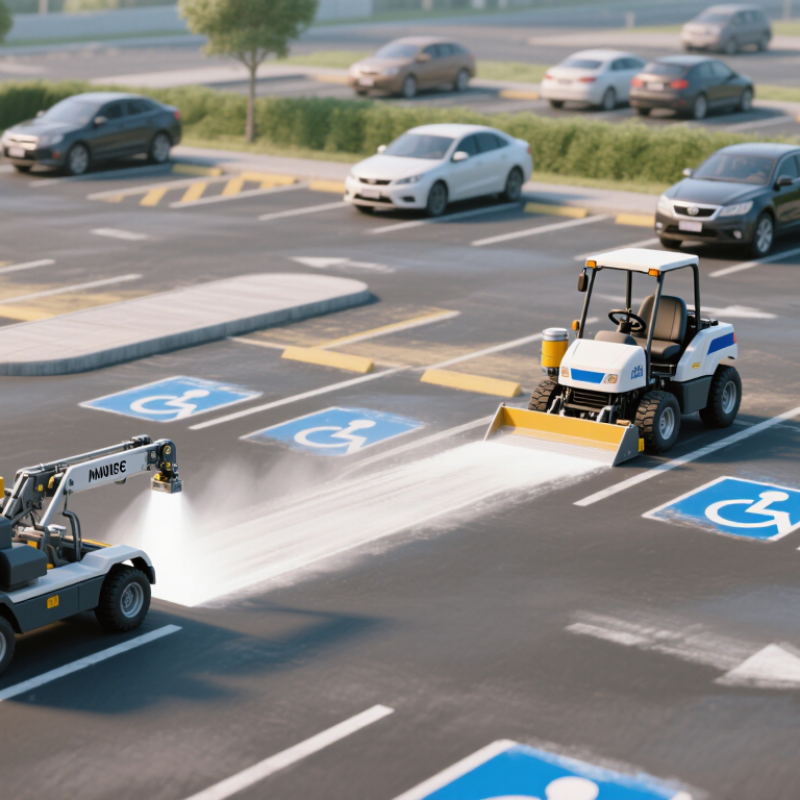
2026 Top Parking Lot Striping Machine Rentals

Understanding Parking Lot Striping Machine Rental Options in 2026

In 2026, parking lot striping machine rentals range from compact walk-behind units to ride-on machines built for larger sites. The right choice depends on lot size, layout, and how quickly the work must be finished. A walk-behind model can handle tight corners and short rows. Larger lots may benefit from a ride-on unit, but only if the operator can maneuver it comfortably.

Rental rates may depend on machine type, rental period, and included accessories. Ask whether the quote covers a spray tip, traffic paint, cleaning tools, and delivery. Check the line-width settings and paint compatibility before pickup. These details can affect the finished markings and prevent delays. It is easy to underestimate cleanup.

Before renting, measure the longest rows and note obstacles such as drains, parked-car areas, and raised curbs. Ask for a brief operating demonstration, especially if the machine uses unfamiliar controls. Confirm how the equipment should be cleaned and returned; dried paint can be difficult to remove. Weather matters, too. Damp pavement or strong wind can spoil a neat line, even with capable equipment. Leave time for setup and a small test stripe. One imperfect pass can reveal an issue before the whole lot is marked.

Comparing Machine Types, Features, and Suitable Projects

2026 Top Parking Lot Striping Machine Rentals

Machine choice should match the lot’s geometry, not just its total area. A walk-behind airless striper suits short runs, tight corners, and touch-ups around islands. Look for adjustable line width, a stable spray gun, and a tip that can be replaced quickly. Small details matter. One crooked turn can spoil a fresh layout.

Ride-on machines reduce operator fatigue on larger lots with long, repeated stalls. Their extra paint capacity can also mean fewer refill stops. Truck-mounted systems are better suited to extensive, open sites, but require room to maneuver and an experienced operator. Thermoplastic equipment is a specialized option; confirm that the rental includes compatible heating and application components. It is not a simple upgrade.

For a useful sizing reference, the Federal Highway Administration’s 2023 Manual on Uniform Traffic Control Devices specifies normal longitudinal roadway markings at 4–6 inches wide. That is a roadway benchmark, not a universal parking-lot rule; follow the project plans and applicable site requirements. Before renting, measure a typical stall row, check the surface for loose debris, and confirm the paint type matches the machine. Ask about daily output only after sharing the layout: obstacles and frequent stops can make a smaller lot surprisingly slow. Rental specifications rarely capture that wrinkle.

Evaluating Rental Costs, Terms, and Equipment Availability

2026 Top Parking Lot Striping Machine Rentals

Rental decisions should compare the full shift cost, not just the advertised daily rate. Ask whether delivery, pickup, cleaning, fuel, paint-system setup, and damage coverage are included. Check minimum rental periods and weekend billing; a one-day job can become a two-day charge if pickup windows are tight. EquipmentWatch’s Rental Rate Blue Book provides a professional benchmark for comparing equipment rental rates, but local quotes and included services still determine the real cost. A low daily rate is not always a bargain.

Availability matters as much as price. Confirm the machine’s line-width settings, paint capacity, bead dispenser, and operating condition before booking. Match the rental period to site preparation and drying time, not only the hours spent striping. FHWA’s Pavement Marking Handbook describes typical service-life ranges of about 1–2 years for traffic paint and 3–6 years for thermoplastic; traffic and weather affect actual performance. This helps explain why a rushed job or unsuitable setup can waste a rental day. The estimate is useful, but not a guarantee.

Tips: Request a written quote with delivery times, overtime rules, and cancellation terms. Photograph the equipment at handoff, and test the spray pattern before starting. If availability is uncertain, ask about a substitute machine in the same class. One detail is easy to miss: confirm who supplies compatible paint and replacement tips.

Choosing a Machine Based on Site Size and Striping Requirements

2026 Top Parking Lot Striping Machine Rentals

Choosing a rental starts with the site, not the machine’s advertised speed. Measure total line length, count stalls, and note curves, islands, loading zones, and access aisles. A compact walk-behind unit can maneuver around tight corners and small lots. Larger, open sites may justify a ride-on machine that reduces operator fatigue. Still, a large machine can be awkward near parked cars or narrow entrances.

Match the equipment to the marking plan. Check the machine’s compatible paint type, spray-tip options, line-width control, and cleanup requirements before booking. FHWA’s 11th Edition MUTCD, Section 3A.06, describes normal longitudinal pavement-marking lines as 4 to 6 inches wide. That is a useful technical reference, not a universal parking-lot specification; confirm project plans and applicable local requirements. Ask the rental provider for a demonstration, and test a short line on similar pavement. Fresh asphalt, old coatings, and dusty surfaces can change how paint applies. A small test may not reveal every issue.

Tips: Estimate the job in linear feet, not just stall count. Reserve time for surface preparation and refills. For a sloped or irregular lot, check the unit’s maneuverability and spray consistency before committing. My own estimate can be wrong if the layout includes hidden fire lanes or faded markings; walk the site with a tape measure and mark those details first.

2026 Top Parking Lot Striping Machine Rentals

Choosing a machine based on site size and striping requirements

Use these approximate planning tiers as a starting point: walk-behind machines suit smaller lots and detailed layouts, ride-on machines help cover medium-sized lots more efficiently, and truck-mounted systems are typically considered for large projects. Actual output depends on layout complexity, surface condition, crew size, and the amount of stenciling or rework required; confirm capacity with the rental provider.

Preparing for Safe Operation, Maintenance, and Equipment Return

Before operating a rented parking lot striping machine, inspect the work area and equipment in daylight. Look for loose gravel, standing water, oil spots, and uneven pavement. Confirm the spray pattern on cardboard or a protected test area before marking the lot. Keep pedestrians and vehicles away from the work zone, and wear eye protection, gloves, and suitable footwear. Read the rental instructions carefully; controls can differ between machines. A quick check is worth the time.

Tips: Photograph the machine before use, including the spray tip, hoses, wheels, and fuel or power connections. Check fluid levels and fasteners as the rental instructions require. Keep a small cleaning brush and waste container nearby. Don’t guess at an unfamiliar setting—pause and ask the rental provider.

After striping, allow markings to dry as directed, then clean the machine using the specified method. Paint can harden inside a nozzle surprisingly fast. Inspect hoses and the spray tip for residue, and report leaks, unusual noises, or damage before returning the equipment. Rental return requirements vary, so confirm whether the tank must be empty, cleaned, or left as received. I’ve learned that a rushed cleanup often creates more trouble than the striping itself; leave enough time for careful checks and clear notes about anything that seemed off.


Powder Coat Booths

For those larger-sized parts, or smaller quantity runs, we have 2 independent powder coat booths and ovens. The quality, durability and affordability of today’s powder coating finishes make this the process of choice for world-class companies.

Powder coating advantages over other forms of coating are many. Materials used in the Powder coating process can be metals and non-metals that come in a multitude of thicknesses, textures, colors, etc. Another of Powder coating’s biggest advantages over conventional coatings is its ability to create finishes in many different textures. Powder Coating Booths allow us the ability to apply these advantages to large products.

Wet Paint Line

Tri-State Fabricators runs a full-service conveyor line for painting. Wet painting can provide protection or decoration to many different part styles. From start to finish, every project is easier to undergo random and point-based inspection by our skilled painting team.

Advantages to our Wet Paint Line are these lines start with product prep and ends with a thorough inspection of a high quality finished product. Our ability to complete large and small projects with a superior finish and doing so in a timely and economical fashion. This passes along the savings in production to our customers. When powder coating ins not an option, our Wet Paint Line gets the job done right the first time.

Wet Paint Booths

When the parts get big and heavy we roll-out our custom paint racks and oversize booth. By utilizing our partnerships with all the major paint brands, we can match virtually any color with wet paint.

The advantages of having access to a Wet Paint Booth are many. Large projects of many different shapes can be loaded into the booth. The Wet Paint Booth offers an environment that is much more controlled than a typical parts painting operation.

Not only are they used because of their controlled environment, but they’re are also advantageous when it comes to applying paint to parts that are needed in industries that require specialty coatings such as medical, aerospace, etc.

Military CARC

Our military forces have some very high standards when it comes to the finish of their vehicles and equipment. From the first pre-treatment step to final coat, it takes a great deal of knowledge and experience to protect the men and women of our armed forces. They deserve only the best, and Tri-State Fabricators provides it.

All of our processes are closely monitored by our staff and management teams. Both of which are highly trained in the processes of metal fabrication and finishing. Tri-State Fabricators’ goal is to always fully satisfy each and every customer, including the military. We will always put a 110% into what we do.

Glass-Bead Blasting

Abrasive media blasting is an excellent way to remove old paint, rust, and increase the paint/powder adhesion. Glass beads produce a much smoother and brighter finish than angular abrasives; leaving the part clean yet without any dimensional change. Chemically inert and environmentally friendly, we can recycle our beads approximately 30 times; making them a more preferred method of metal cleaning or surface finishing.

Advantages to Glass Bead Blasting are many. Glass bead blast media is used when a project is needing rough surfaces need to become smooth for applications of coatings such as paint. It is typically used to clean paint and rust from a product surface without deforming the surface it is being used on. Overall, compared to many other blasting media, Glass Bead Blasting is a very economical choice and those savings are always passed on to our customers.

Part Washing

Tri-State Fabricators utilize a zinc phosphate wash to clean and etch the material to ensure the best paint adhesion possible. The unique design of our 3-stage wash system does the work like a 5-stage. From Cleaning and rinsing to conversion coating and post-treatment, Our Part Washing process is a complete service and works throughout the fabrication service and the finishing service.

Along with the previously mentioned benefits, Curing is a vital chemical reaction that leaves the product finish hard and relatively safe from mild abrasion and aggressive corrosion. This process can be done in more than one way; ambient air-dry or in curing ovens at temps that exceed 240°.

Burn-Off Oven

From fixing paint mistakes (someone else’s of course) to simply cleaning our paint line hooks, our burn-off oven is put to good use. After a quick burn-off, a little clean up, and a fresh coat of paint, your parts will look better than new.

Why does our Burn-Off Oven work so well? Because super heating the air around parts turns the materials into ashes. From paint and powder coatings to rubber and machining oils, high temps do the job without degrading the integrity of the part.

Masking

Masking is a vital part of producing high quality products. We have die-cut masking patterns to protect machined surfaces as well as a wide range of plugs and caps to protect threaded holes and bolts. We provide permanent and temporary masking.

Masking allows the selected sections of a product to be protected from a fabrication or finishing service. This can be with both chemicals when etching and tapes, paints when only finishing just a section of the product. Masking is great in aiding the customization process of a project.

Screen Printing

Screen printing is a photographic process that transfers artwork onto a porous nylon screen which allows colored ink to flow through the screen and be deposited on an aluminum or plastic component. We can generally have just about any design created onto a screen for your parts.

Some of the advantages of Screen Printing are, brand recognition for your business displaying on your products, assembly instructions, product warnings/hazards, etc. Tri-State Fabricators produces Screen Printing of the highest quality so you know it’s durable.

Metal Finishing

Metal Finishing is the art of treating the exterior portion of product, often metal but can also be made of other materials, so that the surface is clean and free of any debris. Then the process of applying coats or either paint of powder coat takes place. This coating process improves the quality of the product in both appearance and resistance to wear and corrosion.

Tri-State Fabricators, Inc., understands that a project typically isn’t complete until a high-quality finish has been added to your product. This is why our painting and powder coating teams continuously inspect the products throughout the Metal Finishing process.



