2026 Top Mobir Air Thermal Imaging Camera Price Guide
The 2026 Mobir Air Thermal Imaging Camera price guide begins with a simple question: what does the quoted price include? Thermal cameras can differ in infrared resolution, thermal sensitivity, lens options, frame rate, software, and warranty coverage. Two cameras may look similar online yet serve different inspection needs. Small details matter.
Grand View Research estimated the global thermal imaging market at USD 4.7 billion in 2023 and projected a 7.8% compound annual growth rate from 2024 to 2030. This market-wide estimate signals ongoing demand, but it does not establish the price of any particular Mobir Air model. That distinction is easy to miss. A market forecast is not a product quote.
This guide helps readers assess Mobir Air Thermal Imaging Camera pricing with practical comparisons. Check the listed sensor resolution and temperature measurement range, then confirm whether accessories, software, shipping, and support are included. For example, a higher-resolution sensor may reveal more detail on a rooftop or electrical panel, while a different lens may suit close inspections better. Ask sellers for current, itemized quotations, since regional availability and bundled accessories can change the final cost. Specifications should be verified against the manufacturer’s current documentation. Without a confirmed model and configuration, any single “typical price” would be guesswork—and not very useful.
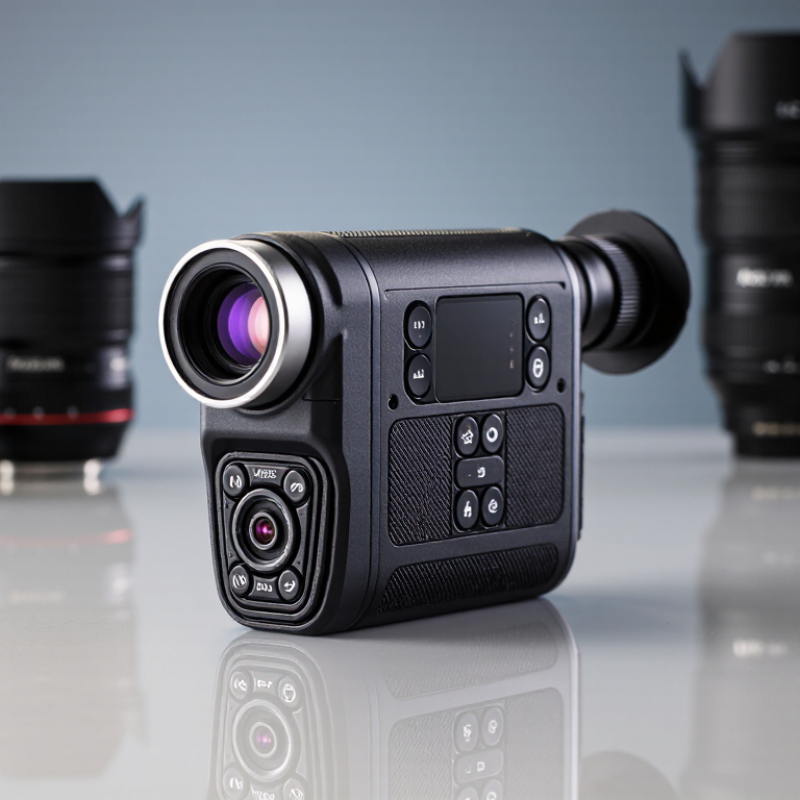
What Is a Mobir Air Thermal Imaging Camera?
A thermal imaging camera measures infrared radiation from surfaces and converts temperature differences into a visible image. It does not photograph ordinary colors. Instead, a sensor maps warmer and cooler areas, often using a palette of purple, yellow, or white. This can help users spot insulation gaps, overheating electrical components, or uneven heating without touching the surface. Useful, but not magic. A thermal image shows surface temperatures, not what lies behind a wall.
The image also depends on settings and conditions. Shiny metal can reflect nearby heat, while wind and distance may affect readings. Emissivity, resolution, and thermal sensitivity influence how clearly small temperature differences appear. In a price guide, compare these specifications with the tasks you expect to perform; a higher price alone does not guarantee a better inspection. Grand View Research estimated the global thermal imaging market at USD 4.5 billion in 2023 and forecast a 7.2% compound annual growth rate from 2024 to 2030. That industry estimate describes the wider market, not any one camera’s quality. A careful user still needs to check readings against the surface, environment, and measurement method.
2026 Thermal Imaging Camera Price Guide
What is a thermal imaging camera? It detects infrared radiation and displays temperature differences as an image. The chart shows broad indicative price ranges for camera categories, not a price quote for any specific product.
Indicative retail ranges in USD: actual prices vary with resolution, temperature range, calibration, software, and included accessories.
Mobir Air Models and Their Core Specifications
A useful thermal camera price comparison starts with the sensor, not the product name. Entry-level models may suit quick checks on warm pipes, electrical panels, or drafty window frames. Higher-resolution sensors show smaller hot spots more clearly, especially from a short distance. Look for thermal resolution, temperature range, and sensitivity in each model’s specification sheet. Small differences matter. A sensitivity figure can help distinguish subtle temperature changes, but it does not guarantee accurate readings in every setting. Surface material and viewing angle can affect results.
Check the practical details, too. Screen size, image storage, battery runtime, and connection options shape everyday use. A faster frame rate can make scanning moving equipment feel smoother, while adjustable focus may help with close-up inspections. Compare listed prices only after matching these core specifications. A lower-cost model can be enough for occasional household checks; frequent inspection may justify a clearer sensor and sturdier controls. Specs look tidy on paper. Real measurements can be messier, so verify the stated temperature accuracy and included accessories before choosing.
Key Factors That Shape Mobir Air Camera Prices in 2026
A Mobir Air thermal imaging camera’s 2026 price depends on more than its headline resolution. A higher-resolution sensor can reveal smaller hot spots, but it may also raise the purchase cost. Thermal sensitivity matters too: a camera that detects subtle temperature differences can be more useful for inspecting a warm electrical panel or a drafty window. Small details matter.
Lens choice changes both cost and practical coverage. A wide lens captures more of a room, while a narrower lens helps examine distant equipment. Image refresh rate, visible-light overlays, and onboard storage can also affect pricing. Consider which features you will actually use. Paying extra for specifications that do not fit your work is easy to regret.
Compare complete configurations, not just camera bodies. Batteries, charging gear, protective cases, software access, calibration, and service support may be included or priced separately. Seller, region, stock, and shipping can shift the final amount in 2026. Ask for a written quote that lists these items, then compare equivalent packages. Not always. A lower listed price may simply leave essential accessories out. If possible, test the camera on a familiar surface and check whether its images are clear enough for your decisions.
2026 Top Mobir Air Thermal Imaging Camera Price Guide - Key Factors That Shape Mobir Air Camera Prices in 2026
The figures below are indicative 2026 market estimates for general-purpose compact and handheld thermal imaging cameras. They are not brand-specific quotes; actual prices vary by region, seller, taxes, and included accessories.
| Camera Tier | Typical Thermal Resolution | Common Features | Indicative Price (USD) | Main Price Drivers |
| Entry-level compact | 80 × 60 to 160 × 120 pixels | Basic temperature measurement, fixed focus, simple image capture | $200–$600 | Sensor resolution, measurement accuracy, included software, and display quality |
| General-purpose compact | 256 × 192 pixels | Improved image detail, photo storage, common wireless or app features | $400–$1,200 | Pixel count, refresh rate, app support, temperature range, and warranty coverage |
| Professional handheld | 320 × 240 to 384 × 288 pixels | More detailed imaging, manual focus options, reporting and analysis tools | $900–$4,000 | Detector resolution, lens type, focus mechanism, calibration, and analysis software |
| Advanced inspection | 640 × 480 pixels or higher | High-detail imaging, interchangeable or specialty lenses, advanced measurement functions | $3,000–$10,000+ | High-resolution sensor, optics, calibration documentation, ruggedization, and support |
| Specialty or research system | Varies; often high resolution or application-specific | Special-purpose optics, extended temperature range, integration or analysis options | $8,000–$20,000+ | Special sensors, custom configuration, traceable calibration, and technical service |
Price comparison note: Confirm whether a quoted price includes the lens, battery, charger, carrying case, software, calibration certificate, shipping, and applicable taxes. These items can materially change the total purchase cost.
Additional Costs, Warranty, and Buying Considerations
A thermal camera’s purchase price is only part of the budget. Check whether the quoted amount includes a battery, charger, protective case, and required software. A spare battery may matter during long inspections, while a sturdy case helps protect the lens in a crowded tool bag. Small details matter. Also ask about shipping, taxes, and calibration fees before comparing offers. These can change the final cost.
Warranty terms deserve a close read. Confirm the coverage period and whether repairs, labor, and return shipping are included. Batteries and accessories may have shorter coverage than the camera itself. Ask how service requests are handled and how long repairs typically take. A low price can feel less attractive if support is difficult to access. It is worth getting the terms in writing.
Match the camera to the work you actually perform. For electrical checks, verify that its temperature range and measurement accuracy suit your expected conditions. For building inspections, consider image detail, focus options, and whether saved images include useful temperature readings. Check sample images on a screen similar to the one you will use in the field. It is easy to overvalue a long feature list; I would still prioritize clear results, a comfortable grip, and a return policy that allows proper testing.





