2026 Top Niobium Plate Types for Global Buyers

The 2026 market for Niobium Plate is becoming more specification-driven, not simply price-driven. Global buyers now compare grade, thickness, surface condition, certification, and delivery stability. The right choice depends on service temperature, corrosion exposure, forming requirements, and expected fatigue life.

Common options include commercially pure niobium plate, niobium-Zirconium Plate, and high-temperature alloys such as C-103. Pure niobium offers strong chemical resistance and reliable ductility. Niobium-zirconium grades provide improved strength for demanding equipment. C-103, containing niobium, hafnium, and titanium, supports aerospace and high-temperature applications. Small differences matter. A 2-millimeter plate may behave differently after welding, rolling, or repeated heating.

Ricardo Lima, former CEO of CBMM, described niobium as “a key element for a more sustainable future.” That perspective is valuable, but it is not a purchasing specification. Buyers still need traceable heat numbers, mill test certificates, dimensional reports, and clear inspection records. ASTM B393 references are often important, although the applicable grade and delivery condition must be confirmed carefully. Supplier experience also matters when plates require tight tolerances, clean edges, or controlled surface finish.

This guide examines the top Niobium Plate types for global buyers in 2026. It connects material selection with real procurement details, including fabrication, packaging, lead time, and technical support. No single grade fits every project. That is easy to overlook. Even experienced buyers can overvalue alloy content and undervalue processing history, documentation quality, or actual application temperature.

2026 Top Niobium Plate Types for Global Buyers

What Niobium Plates Are and Why Global Buyers Use Them

What Niobium Plates Are and Why Global Buyers Use Them

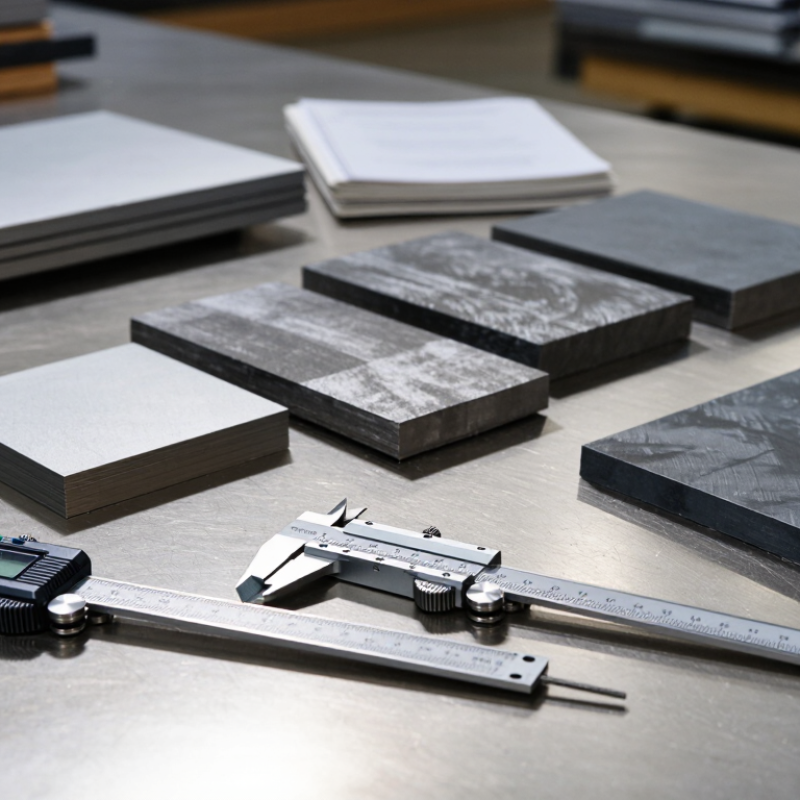
Niobium plates are flat, rolled products made from commercially pure niobium or niobium alloys. They combine low density with strong corrosion resistance. Their surfaces often appear silver-gray, with a smooth, cool metallic finish. Buyers specify plates for chemical equipment, vacuum systems, high-temperature components, and superconducting assemblies. Fabrication usually involves rolling, annealing, cutting, and strict surface inspection.

Demand is connected to niobium’s wider strategic value. The USGS Mineral Commodity Summaries 2025 estimated global niobium mine production at about 99,000 metric tons in 2024. Brazil supplied roughly 93% of that volume. Most niobium still enters steelmaking as ferroniobium, not plate production. That distinction matters. A strong mining market does not guarantee immediate plate availability.

The European Commission’s 2023 Critical Raw Materials assessment identifies niobium as critical for European supply security. Global buyers therefore examine more than price. They check purity, alloy grade, thickness tolerance, flatness, grain structure, and ultrasonic or visual inspection records. ASTM specifications can support acceptance decisions, but they do not replace project-specific testing.

I have seen procurement teams focus heavily on chemistry while overlooking edge quality. That can create problems during welding or forming. Certificate review should include heat numbers and traceability. A small documentation gap can become a costly delay. Forecasts also remain imperfect, especially for specialized plates.

Key Niobium Plate Types Classified by Grade and Composition

2026 Top Niobium Plate Types for Global Buyers

Key Niobium Plate Types Classified by Grade and Composition

Niobium plates are commonly selected by purity, alloy content, and service temperature. Commercially pure grades, such as R04200, contain mainly niobium with controlled oxygen, carbon, nitrogen, and hydrogen. They offer strong corrosion resistance and useful ductility. However, trace elements can affect forming and welding results.

Niobium-zirconium plates add a small zirconium content to improve strength and high-temperature stability. They suit furnace parts, chemical equipment, and specialized thermal systems. Niobium-titanium grades provide a different balance. Their titanium content can support superconducting applications, but processing requirements become more demanding. C-103-type material, containing niobium, hafnium, and titanium, is designed for severe heat exposure.

Composition matters more than a familiar grade name. Check the applicable standard, heat number, chemical analysis, thickness tolerance, and surface condition. A plate with bright mill finish may still contain small scratches from handling. That detail is easy to miss.

Grade tables can mislead.

Buyers should match the alloy to forming temperature, weld method, vacuum conditions, and expected load. For thin plates, grain structure may influence bending more than nominal strength. For thicker sections, internal cleanliness and ultrasonic inspection deserve closer attention. Requirements also vary between standards, so equivalent grades should never be assumed identical without documentation. A practical review should compare the material certificate with the final application, not just the purchase specification.

How Manufacturing Methods Shape Niobium Plate Performance

2026 Top Niobium Plate Types for Global Buyers

How Manufacturing Methods Shape Niobium Plate Performance

Niobium plate performance begins with its manufacturing route. Vacuum melting helps limit oxygen, nitrogen, and hydrogen pickup. These elements can affect ductility and long-term reliability. Hot rolling then reduces the ingot into a controlled plate thickness. The rolling temperature influences grain flow, strength, and dimensional stability.

Cold rolling can produce tighter thickness tolerances and a smoother surface. However, excessive reduction may increase residual stress. Intermediate annealing restores ductility and changes the grain structure. A poorly controlled annealing cycle may leave uneven hardness across the plate.

Small differences matter.

Surface Preparation and Quality Evaluation

Surface preparation also shapes practical performance. Machining can remove scale and reveal defects near the surface. Chemical cleaning may improve cleanliness before welding or coating. Buyers should request data for flatness, thickness tolerance, grain condition, and chemical composition. A bright surface alone does not prove quality. It can hide internal variation.

Application-Based Plate Selection

Plate selection depends on the application, not only the nominal grade. Heat shields may require stable dimensions at elevated temperatures. Chemical equipment may prioritize corrosion resistance and clean surfaces. High-precision fabrication often needs consistent grain structure across the full sheet. Inspection should include sampling from edges and the center. That step is often skipped. It should not be. Supplier records, traceability documents, and independent test results provide stronger evidence than appearance.

Selecting Niobium Plates for Industrial Applications and Service Conditions

2026 Top Niobium Plate Types for Global Buyers

Selecting Niobium Plates for Industrial Applications and Service Conditions

Niobium plate selection should begin with the service environment, not only the material grade. Commercially pure niobium suits many vacuum, chemical, and high-temperature applications. Its strong corrosion resistance helps protect equipment exposed to aggressive process media. However, oxygen can rapidly degrade niobium at elevated temperatures in air. Vacuum or inert protection may be essential.

Review operating temperature, pressure, chemical concentration, and expected thermal cycling. Plate thickness must match structural loads, forming requirements, and machining allowances. Surface finish also matters when the plate contacts reactive fluids or supports thin-film processing. For welded parts, confirm cleanliness, shielding quality, and post-weld inspection procedures. Grain structure can influence forming behavior, especially in deep-drawn components.

Tips: Request mill certificates, chemical analysis, dimensional reports, and traceability records. Check applicable standards before purchase. Ask for samples when surface quality is critical. A perfect choice on paper may still fail during fabrication. That deserves honest review. Service data is often incomplete, and real operating conditions can differ from design assumptions. Discuss these uncertainties with qualified materials engineers before approving the final plate specification. Small details, such as edge damage, storage humidity, or contamination from steel tools, can affect performance. Handle plates carefully and separate them from incompatible metals during storage.

Global Buying Factors: Standards, Quality Checks, and Supplier Evaluation

Global buyers often choose pure niobium, niobium-zirconium, or niobium-titanium plates. Each type suits different temperature, corrosion, and strength requirements. Pure niobium offers excellent chemical resistance and reliable formability. Niobium-zirconium provides improved strength at elevated temperatures. Niobium-titanium may serve demanding superconducting or specialized engineering applications. The correct grade depends on service conditions, not only the lowest quotation.

Standards must be confirmed before purchase. Request the exact specification, revision, grade, thickness tolerance, and testing requirements. ASTM B393 or an equivalent approved standard may apply to niobium plate. Always check whether the buyer’s industry requires additional documentation. Review chemical analysis for niobium, zirconium, oxygen, hydrogen, nitrogen, and carbon. Inspect surface finish, flatness, edge condition, and dimensional accuracy. Ultrasonic testing can reveal internal discontinuities. A certificate alone is not enough. Traceability should connect each plate to its heat, inspection record, and shipment.

Tips: Ask for a small sample before placing a large order. Compare measured thickness at several points, especially near edges. Confirm packaging prevents scratches, moisture, and contamination. Evaluate the supplier’s technical responses, inspection equipment, production experience, and corrective-action process. A factory visit or independent inspection can expose gaps. I would not rely on polished documents alone. Supplier evaluation is sometimes imperfect, but documented evidence reduces avoidable risk. Also confirm realistic lead times, replacement policies, and communication during nonconformity handling.

2026 Top Niobium Plate Types for Global Buyers
Global Buying Factors: Standards, Quality Checks, and Supplier Evaluation
Niobium Plate Type Typical Chemistry Typical Market Thickness Main Characteristics Typical Applications Key Buying Checks Supplier Evaluation Priorities
Commercially Pure Niobium Plate Niobium balance; controlled interstitial elements such as oxygen, nitrogen, carbon and hydrogen. Approximately 0.5–50 mm; thicker sections are normally produced to order. Excellent corrosion resistance, good ductility and weldability, melting point approximately 2,468°C, density approximately 8.57 g/cm³. Chemical-processing equipment, sputtering targets, superconducting components, laboratory and vacuum equipment. Positive material identification, chemical analysis, thickness mapping, surface inspection, flatness, tensile testing and ultrasonic examination for critical thicknesses. Ability to control interstitial impurities, traceability from melt to plate, certified test reports and documented vacuum or inert-gas processing when required.
Niobium–1% Zirconium Plate Approximately 1% zirconium, balance niobium; exact limits depend on the agreed material specification. Approximately 1–40 mm. Higher strength and improved creep resistance than commercially pure niobium while retaining useful corrosion resistance and fabricability. High-temperature components, vacuum-furnace parts, nuclear and aerospace research equipment, and corrosion-resistant fabrications. Alloy chemistry, tensile properties at the specified test temperature, grain structure, weld qualification, dimensional tolerances and non-destructive testing. Consistent zirconium control, heat-treatment records, test-method alignment, export documentation and proven capability for repeat lots.
Niobium–10% Hafnium–1% Titanium Plate Nominally 10% hafnium and 1% titanium, balance niobium; commonly referred to as a C-103-type alloy. Approximately 0.8–25 mm; thicker plate may require special rolling schedules. High-temperature strength, useful creep resistance and good performance in vacuum or controlled atmospheres; oxidation protection is normally required in air at elevated temperature. Rocket and propulsion hardware, thermal shields, high-temperature fixtures and aerospace test components. Hafnium and titanium analysis, tensile and creep data where applicable, grain-size evaluation, weld-zone inspection, surface condition and ultrasonic testing. High-temperature manufacturing experience, control of oxygen and other interstitials, documented furnace atmosphere, weld procedure qualification and lot-level traceability.
Niobium–Tungsten–Zirconium Plate Typical compositions use several percent tungsten with a smaller zirconium addition; the exact grade must be specified by purchase order. Approximately 2–30 mm. Higher elevated-temperature strength than commercially pure niobium; heavier alloying can reduce room-temperature formability and increase fabrication requirements. High-temperature structural parts, furnace hardware, experimental aerospace components and specialized thermal systems. Complete alloy analysis, hardness or tensile verification, edge cracking, internal discontinuities, dimensional stability and weldability assessment. Ability to produce homogeneous alloy plate, control rolling reductions, provide process records and meet agreed mechanical-property ranges.
Cold-Rolled Niobium Sheet and Thin Plate Commercially pure niobium or a specified niobium alloy, supplied in a cold-worked or annealed condition. Approximately 0.05–3 mm. Good thickness uniformity and surface finish; condition strongly affects hardness, ductility, springback and forming behavior. Electronic components, thin vacuum parts, laboratory assemblies, diaphragms and formed precision components. Micrometer or coordinate-measuring checks, surface roughness, pinholes, scratches, burrs, hardness, bend testing and visual inspection under controlled lighting. Control of annealing condition, surface-protection film, coil-to-sheet traceability, packaging quality and capability to maintain tight thickness tolerances.
Hot-Rolled Heavy Niobium Plate Commercially pure niobium or a specified niobium alloy, supplied in hot-rolled, annealed or stress-relieved condition. Approximately 10–100 mm, subject to mill capability and final-use requirements. Suitable for machining and structural fabrication; internal soundness, residual stress and flatness become increasingly important as thickness rises. Large vacuum components, furnace structures, research equipment and machined high-temperature parts. Ultrasonic testing, thickness grid measurements, flatness, squareness, surface-breaking indications, macrostructure and residual-stress control. Large-format rolling capability, qualified NDT personnel, repair and rejection procedures, lifting protection and export-grade moisture-resistant packaging.
Custom-Cut and Precision-Machined Niobium Plate Any approved niobium grade, with chemistry and temper defined before cutting or machining. Based on the parent plate; finished dimensions commonly range from small laboratory pieces to large engineered panels. Reduces downstream processing but introduces requirements for dimensional accuracy, burr control, heat input and contamination prevention. Prototype parts, vacuum flanges, targets, brackets, shields and complex experimental assemblies. Drawing review, dimensional inspection, edge and hole quality, surface roughness, cleanliness, material traceability and final visual release. Engineering-change control, calibrated inspection equipment, contamination-control procedures, first-article inspection and protective packaging.
Global Buying Factor Recommended Requirement Practical Acceptance Evidence
Material Standards Specify the niobium grade, chemistry limits, product form, temper, dimensions, tolerances and test methods in the purchase specification. A contract-controlled technical datasheet and a clear statement of the applicable ASTM, ASME, ISO or purchaser-specific requirements. ASTM B393 and ASME SB-393 should be checked against the current scope before being applied to plate.
Chemical Composition Require heat or lot-based analysis for niobium, alloying elements and relevant interstitial elements. Laboratory test report using a suitable method such as ICP-OES, glow-discharge mass spectrometry or another agreed analytical technique.
Mechanical Testing Define tensile direction, test temperature, minimum properties and sampling frequency where mechanical performance is critical. Test reports referencing an agreed method such as ASTM E8/E8M or ISO 6892-1, with specimen orientation and lot identification.
Non-Destructive Testing Use ultrasonic testing for critical heavy plate and penetrant or visual inspection for accessible surface defects when required. NDT procedure, operator qualification, equipment calibration records and acceptance criteria stated in the order documents.
Dimensions and Surface Control thickness, length, width, flatness, squareness, edge condition, roughness and allowable surface imperfections. Dimensional inspection report using calibrated instruments, supported by photographs or inspection records for visible surface condition.
Documentation Request a certificate of conformity and an inspection certificate appropriate to the purchase risk. EN 10204 Type 3.1 documentation or an equivalent purchaser-approved report, including heat number, test results and material marking.
Supplier Quality System Prefer documented quality management, calibration, nonconformance control, corrective action and change-management processes. Current quality certification where relevant, recent audit results, sample inspection records and evidence of corrective-action closure.
Packaging and Logistics Protect niobium from scratches, contamination, moisture and mixed-metal contact during storage and international transport. Clean wrapping, rigid separators, moisture-resistant outer packaging, corrosion-free supports and clear package-level identification.
Commercial Risk Compare total delivered cost rather than unit price alone, including testing, cutting, packaging, freight, duties, lead time and replacement exposure. Written quotation with Incoterms, production lead time, minimum order quantity, validity period, payment terms, inspection rights and claim procedure.
Note: Thickness ranges and application guidance are typical market references, not universal acceptance limits. Final requirements should be confirmed against the latest applicable standard, drawing and purchase specification.

Powder Coat Booths

For those larger-sized parts, or smaller quantity runs, we have 2 independent powder coat booths and ovens. The quality, durability and affordability of today’s powder coating finishes make this the process of choice for world-class companies.

Powder coating advantages over other forms of coating are many. Materials used in the Powder coating process can be metals and non-metals that come in a multitude of thicknesses, textures, colors, etc. Another of Powder coating’s biggest advantages over conventional coatings is its ability to create finishes in many different textures. Powder Coating Booths allow us the ability to apply these advantages to large products.

Wet Paint Line

Tri-State Fabricators runs a full-service conveyor line for painting. Wet painting can provide protection or decoration to many different part styles. From start to finish, every project is easier to undergo random and point-based inspection by our skilled painting team.

Advantages to our Wet Paint Line are these lines start with product prep and ends with a thorough inspection of a high quality finished product. Our ability to complete large and small projects with a superior finish and doing so in a timely and economical fashion. This passes along the savings in production to our customers. When powder coating ins not an option, our Wet Paint Line gets the job done right the first time.

Wet Paint Booths

When the parts get big and heavy we roll-out our custom paint racks and oversize booth. By utilizing our partnerships with all the major paint brands, we can match virtually any color with wet paint.

The advantages of having access to a Wet Paint Booth are many. Large projects of many different shapes can be loaded into the booth. The Wet Paint Booth offers an environment that is much more controlled than a typical parts painting operation.

Not only are they used because of their controlled environment, but they’re are also advantageous when it comes to applying paint to parts that are needed in industries that require specialty coatings such as medical, aerospace, etc.

Military CARC

Our military forces have some very high standards when it comes to the finish of their vehicles and equipment. From the first pre-treatment step to final coat, it takes a great deal of knowledge and experience to protect the men and women of our armed forces. They deserve only the best, and Tri-State Fabricators provides it.

All of our processes are closely monitored by our staff and management teams. Both of which are highly trained in the processes of metal fabrication and finishing. Tri-State Fabricators’ goal is to always fully satisfy each and every customer, including the military. We will always put a 110% into what we do.

Glass-Bead Blasting

Abrasive media blasting is an excellent way to remove old paint, rust, and increase the paint/powder adhesion. Glass beads produce a much smoother and brighter finish than angular abrasives; leaving the part clean yet without any dimensional change. Chemically inert and environmentally friendly, we can recycle our beads approximately 30 times; making them a more preferred method of metal cleaning or surface finishing.

Advantages to Glass Bead Blasting are many. Glass bead blast media is used when a project is needing rough surfaces need to become smooth for applications of coatings such as paint. It is typically used to clean paint and rust from a product surface without deforming the surface it is being used on. Overall, compared to many other blasting media, Glass Bead Blasting is a very economical choice and those savings are always passed on to our customers.

Part Washing

Tri-State Fabricators utilize a zinc phosphate wash to clean and etch the material to ensure the best paint adhesion possible. The unique design of our 3-stage wash system does the work like a 5-stage. From Cleaning and rinsing to conversion coating and post-treatment, Our Part Washing process is a complete service and works throughout the fabrication service and the finishing service.

Along with the previously mentioned benefits, Curing is a vital chemical reaction that leaves the product finish hard and relatively safe from mild abrasion and aggressive corrosion. This process can be done in more than one way; ambient air-dry or in curing ovens at temps that exceed 240°.

Burn-Off Oven

From fixing paint mistakes (someone else’s of course) to simply cleaning our paint line hooks, our burn-off oven is put to good use. After a quick burn-off, a little clean up, and a fresh coat of paint, your parts will look better than new.

Why does our Burn-Off Oven work so well? Because super heating the air around parts turns the materials into ashes. From paint and powder coatings to rubber and machining oils, high temps do the job without degrading the integrity of the part.

Masking

Masking is a vital part of producing high quality products. We have die-cut masking patterns to protect machined surfaces as well as a wide range of plugs and caps to protect threaded holes and bolts. We provide permanent and temporary masking.

Masking allows the selected sections of a product to be protected from a fabrication or finishing service. This can be with both chemicals when etching and tapes, paints when only finishing just a section of the product. Masking is great in aiding the customization process of a project.

Screen Printing

Screen printing is a photographic process that transfers artwork onto a porous nylon screen which allows colored ink to flow through the screen and be deposited on an aluminum or plastic component. We can generally have just about any design created onto a screen for your parts.

Some of the advantages of Screen Printing are, brand recognition for your business displaying on your products, assembly instructions, product warnings/hazards, etc. Tri-State Fabricators produces Screen Printing of the highest quality so you know it’s durable.

Metal Finishing

Metal Finishing is the art of treating the exterior portion of product, often metal but can also be made of other materials, so that the surface is clean and free of any debris. Then the process of applying coats or either paint of powder coat takes place. This coating process improves the quality of the product in both appearance and resistance to wear and corrosion.

Tri-State Fabricators, Inc., understands that a project typically isn’t complete until a high-quality finish has been added to your product. This is why our painting and powder coating teams continuously inspect the products throughout the Metal Finishing process.