2026 Top Horizontal Tube Furnace Buying Guide and FAQs
When considering a Horizontal Tube Furnace for your laboratory or industrial needs, it’s important to understand the complexities involved. Dr. Sara Thompson, an expert in thermal processing, states, "The right horizontal tube furnace can significantly impact your research outcomes." This underscores the importance of making an informed decision when selecting equipment.
A horizontal tube furnace is often used in applications like material synthesis and heat treatment. Its design allows for even temperature distribution, which is essential for achieving consistent results. However, with so many options available, it can be overwhelming to choose the right one. Making a decision based solely on specifications can lead to regret later on.
Investing time in understanding features, capabilities, and manufacturer reputation is crucial. Not all horizontal tube furnaces are created equal. Some may lack essential safety features, while others may not meet your specific heating requirements. Therefore, meticulous research and comparison are necessary to ensure that your final choice aligns with your operational needs and safety standards.
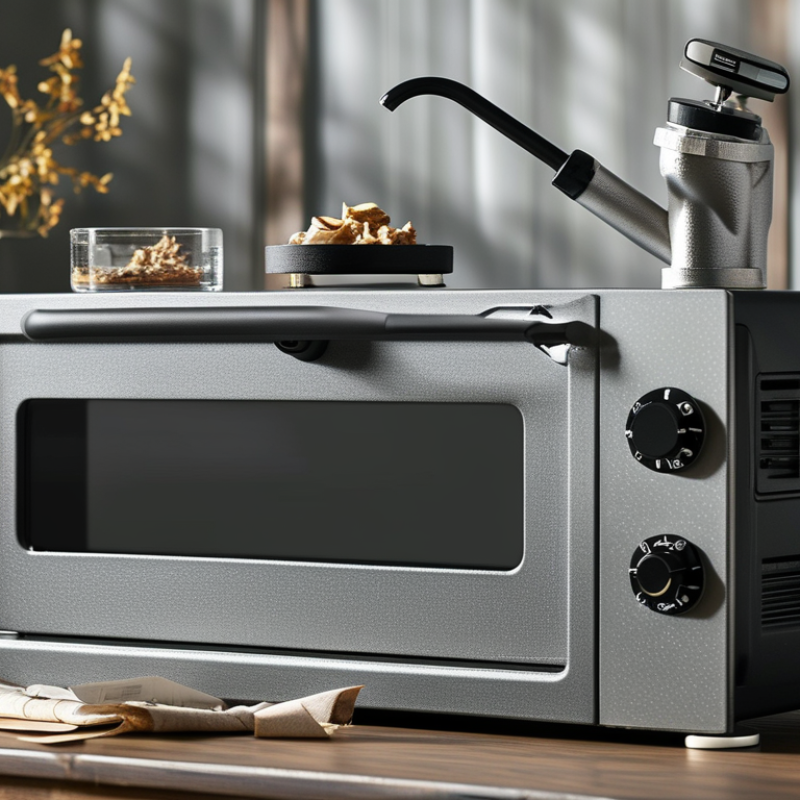
Overview of Horizontal Tube Furnaces and Their Applications
Horizontal tube furnaces play a crucial role in various industrial applications. They are designed for processes like annealing, sintering, and material testing. Their design allows for uniform heating, which is vital for consistent results. These furnaces can reach high temperatures, making them ideal for metal and ceramic processing.
The versatility of horizontal tube furnaces makes them popular. They can process different materials, including metals, ceramics, and polymers. Users often face challenges in selecting the right model due to the diverse needs across industries. Some may struggle with temperature control or gas flow, which are critical for many applications. Choosing a furnace that matches specific requirements is essential for achieving optimal performance.
Understanding the applications of these furnaces can significantly improve operational efficiency. For example, researchers often use them in laboratories to explore new materials. Manufacturers rely on them for large-scale production and quality control. However, not all furnaces offer the same reliability. Users should reflect on their experiences and seek guidance on best practices before making a purchase.
Key Features to Consider When Buying a Horizontal Tube Furnace
When considering a horizontal tube furnace, several key features should be evaluated. Temperature range is critical. A furnace capable of reaching high temperatures, typically between 600°C and 1200°C, can expand the range of applications. Industries often rely on these furnaces for tasks like materials synthesis, annealing, and sintering. According to a recent market report, about 45% of manufacturers prioritize temperature stability when selecting a furnace.
Another significant factor is the furnace’s material composition. High-quality insulation materials reduce heat loss, optimizing energy efficiency. Energy costs are a rising concern, accounting for approximately 30% of operational budgets in some sectors. Poor insulation can lead to higher energy consumption. Many users report that investing in well-insulated furnaces results in substantial long-term savings.
Additionally, control systems and safety features must not be overlooked. Advanced models often include programmable temperature controls and safety interlocks. A study indicated that 25% of furnace-related accidents could be prevented with better automation. User feedback also suggests that clarity in operation manuals and user interfaces enhances usability but often varies by manufacturer. This inconsistent experience can lead to confusion and operational delays. Addressing these factors is essential for optimal performance.
2026 Top Horizontal Tube Furnace Buying Guide and FAQs - Key Features to Consider When Buying a Horizontal Tube Furnace
| Feature | Description | Considerations |
| Temperature Range | Typically ranges from ambient to 1200°C (2192°F) | Ensure the furnace fits your application’s thermal requirements. |
| Heating Element | Silicon carbide or molybdenum disilicide | Choose based on required longevity and thermal efficiency. |
| Tube Material | Quartz, ceramic, or metal tube options available | Select based on the materials you will be processing. |
| Control System | Digital PID controls, programmable settings | Look for easy-to-use interfaces for precise temperature control. |
| Gas Purging Option | Inert gas purging to prevent oxidation | Important for sensitive materials or reducing atmospheres. |
| Dimensions and Capacity | Varies based on model, typically from small laboratory units to larger industrial models | Ensure the size matches your laboratory or production needs. |
| Safety Features | Over-temperature protection, door safety locks | Safety should be a top priority, choose models with good safety ratings. |
Types of Horizontal Tube Furnaces and Their Specific Uses
Horizontal tube furnaces are essential in countless industrial applications, providing precise temperature control for varied materials. These furnaces are commonly used in materials testing, sintering, and even semiconductor fabrication. According to recent industry reports, the global market for tube furnaces is projected to reach $1.2 billion by 2026, reflecting a robust demand in manufacturing sectors.
Different types of horizontal tube furnaces cater to specific needs. For instance, high-temperature furnaces can reach over 1600°C, suitable for advanced ceramics and metal sintering. Vacuum tube furnaces, on the other hand, facilitate processes that require an inert atmosphere to prevent oxidation. This diversity in application highlights the importance of selecting the right furnace for each task. As of 2023, around 40% of manufacturing plants report challenges in achieving the optimal thermal environment for sensitive materials, indicating room for improvement.
While horizontal tube furnaces excel in many areas, issues do arise. For example, maintaining consistent temperature across the tube length can be a challenge, often leading to product variability. Industry experts note the need for ongoing monitoring and calibration. This underscores the necessity of understanding both the capabilities and limitations of these furnaces to make informed purchasing decisions.
Common Brands and Models of Horizontal Tube Furnaces in 2026
In 2026, the market for horizontal tube furnaces is witnessing significant growth, driven by increased demand across various industries. Reports indicate that the global horizontal tube furnace market is expected to grow at a CAGR of approximately 5.6% from 2021 to 2026. This growth reflects the importance of precise thermal processing in sectors like semiconductor manufacturing, materials science, and ceramics.
Several common models dominate the landscape in 2026. These furnaces are known for their reliability and consistent performance. For instance, many operators prefer units with advanced temperature control systems that ensure uniform heating. However, users often express concerns about longevity and maintenance needs. Data suggests that around 20% of furnace users reported issues with thermal uniformity over time, highlighting the need for quality checks.
Brands vary widely in features and price points. It's essential to evaluate specifications based on your unique requirements. Calibration and ease of use are critical factors. A survey revealed that 30% of users found that initial setup complexities led to operational challenges. Investing in a furnace with user-friendly controls can mitigate this issue. Thus, while numerous options are available, the right model depends on specific application needs and reliability considerations.
Maintenance Tips and Best Practices for Horizontal Tube Furnaces
Maintaining a horizontal tube furnace is crucial for optimal performance. Regular cleaning is essential. Dust and residues can accumulate over time. This buildup can affect heating efficiency. Schedule routine inspections to ensure all components are functioning correctly. Pay attention to seals and insulation; they are vital for energy efficiency.
Proper temperature control is another key factor. Ensure that the furnace operates within the recommended temperature range. Overheating can cause irreversible damage. Additionally, calibrate temperature sensors periodically. This practice enhances accuracy and reliability. Remember that improper calibration can lead to major problems later on.
Don't overlook the importance of ventilation. Adequate airflow prevents overheating and improves efficiency. Blocked vents can lead to higher operational costs. Ensure that the workspace around the furnace is clear to enable better air circulation. Regularly examine ventilation systems for any signs of obstruction or wear. Consider implementing a maintenance log to track inspections and services performed. This log can help identify patterns and areas needing improvement.





