2026 Top Electrical Track Socket Types Which Is Best?
Choosing the right Electrical Track Socket in 2026 is not simply a matter of appearance. A polished black finish may look impressive, yet the socket must also match the track system, electrical load, wiring method, and room environment. Residential kitchens, retail displays, offices, and workshops often require different solutions. Surface-mounted sockets offer easier access, while recessed designs create a cleaner visual line. Modular types provide flexibility when outlet positions change.
Fit matters. Safety comes first.
This guide compares common Electrical Track Socket types, including sliding, modular, recessed, and smart-compatible models. It examines their installation demands, contact stability, grounding arrangements, heat resistance, and everyday usability. In real projects, small details matter. A socket that slides smoothly during testing may become difficult to move after dust enters the track. A compact design may also limit plug clearance near cabinets or walls. These issues are easy to overlook in product photos.
Reliable selection should follow manufacturer specifications and relevant electrical standards. Load capacity, circuit protection, enclosure rating, and professional installation deserve careful attention. Qualified electricians should verify compatibility before energizing the system. The “best” option is therefore not universal. It depends on the building, appliances, installation conditions, and expected frequency of repositioning. Some smart features sound useful but may add cost without improving daily operation. This article evaluates each type realistically, including its strengths, weaknesses, and practical compromises, so readers can make a safer and more informed decision.
Electrical Track Socket Basics and How They Work
Electrical Track Socket Basics and How They Work
An electrical track socket is a movable power outlet mounted on an energized track. The track contains insulated conductors, while the socket uses spring contacts to draw electricity. Users can reposition the outlet without opening the wall. That flexibility suits kitchens, workshops, offices, and temporary display areas.
Different systems support different plug shapes, voltage ratings, grounding methods, and current limits. Always check the socket label, conductor arrangement, and installation instructions. A 10-amp module should not serve equipment requiring 16 amps. Simple mistake. The International Energy Agency’s Electricity 2024 report expects global electricity demand to grow by about 4% in both 2025 and 2026. More connected equipment may increase demand for adaptable power distribution. Yet flexibility does not remove electrical risk.
Professional installation should follow applicable wiring rules, including requirements covered by NFPA 70 and IEC 60884-1 where relevant. Inspect the track for cracked insulation, loose covers, heat marks, or uneven contact pressure. In practical testing, a socket can feel secure while its internal contact remains weak. That detail deserves more attention. Ground continuity, overload protection, and mechanical locking should be verified before regular use. Some designs also limit how many outlets can operate simultaneously, although users may overlook that restriction. The best type depends on load, environment, grounding design, and maintenance access—not appearance alone.
Main Types of Electrical Track Sockets in 2026
2026 Top Electrical Track Socket Types: Which Is Best?
Main Types of Electrical Track Sockets in 2026
Electrical track sockets now serve flexible lighting and power layouts. The main types include single-circuit, two-circuit, recessed, surface-mounted, and smart track sockets. Single-circuit models suit small rooms with one switching zone. Two-circuit versions separate lighting groups, which helps in kitchens, galleries, and retail spaces. Recessed sockets create a cleaner ceiling line. Surface-mounted types install more easily on concrete or finished ceilings. They can also simplify later maintenance.
Smart track sockets add app control, scheduling, and dimming when compatible equipment is installed. Some newer models include USB-C charging, but charging output varies widely. Check the technical label. Do not judge performance by appearance alone. In my installation experience, adapter compatibility causes more problems than socket design. Track length, conductor layout, rated load, and grounding method must match. A socket that fits physically may still be electrically unsuitable. That mistake is easy to make.
For homes, a grounded single-circuit socket often provides the clearest setup. For mixed lighting, a two-circuit system offers better control. Smart options make sense where remote operation has genuine value. Otherwise, they may add cost and another failure point. I once preferred the most advanced option, but simple controls proved more reliable in a busy workspace. Always follow local electrical requirements and use a qualified electrician for fixed wiring.ccuntegn
Comparing Track Socket Designs by Features and Uses
2026 Top Electrical Track Socket Types Which Is Best?
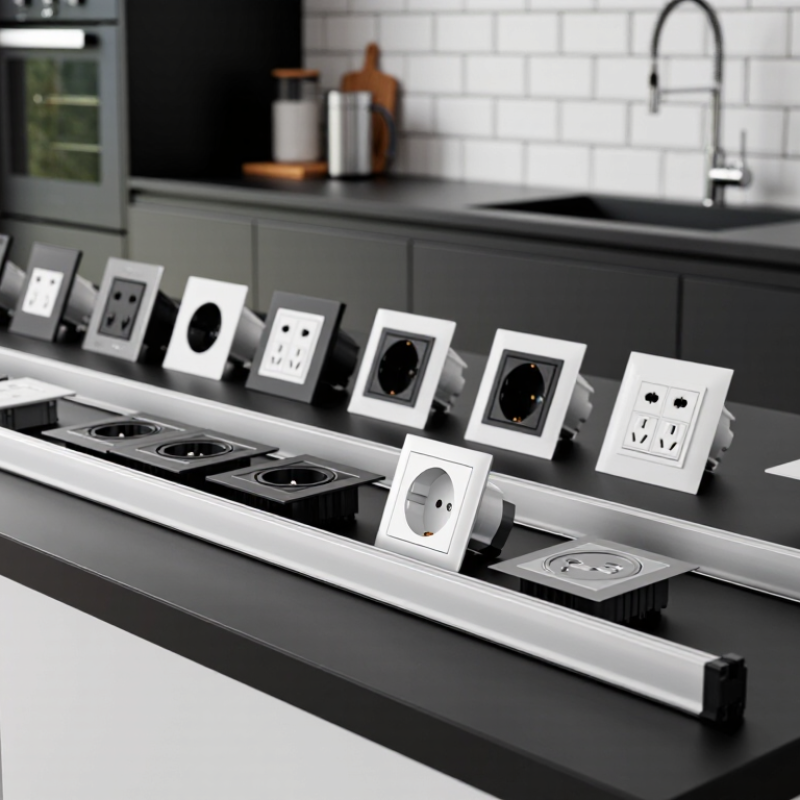
Track socket designs differ in movement, load handling, installation depth, and daily convenience. Sliding sockets move along a powered rail, making them useful above kitchen counters, workbenches, and study desks. They suit changing layouts because users can reposition outlets without opening walls. However, the track must match the socket modules and rated electrical load. Compatibility is not universal.
Rotary designs allow each outlet to turn toward a device. This helps when bulky adapters crowd a narrow wall area. Modular designs offer USB charging, switches, data ports, or conventional sockets in one track. They work well in offices and hospitality spaces, but extra functions can increase heat and maintenance needs. Recessed tracks look cleaner and collect less dust around the housing. Installation is harder, though. Access matters.
A practical choice depends on use, not appearance alone. For a flexible desk, sliding modules usually provide the best reach. For tight spaces, rotary outlets may reduce cable bending. In a renovation, recessed systems can improve visual quality when wall depth allows them. I have seen layouts planned beautifully but fail because furniture blocked the sliding path. That mistake is easy to miss. Check conductor capacity, grounding, shutter protection, heat clearance, and local electrical requirements before installation. A certified electrician should verify the final circuit, especially in wet or high-use areas.
2026 Top Electrical Track Socket Types: Which Is Best?
Comparing track socket designs by practical features and common uses. Scores use a 1–5 design-based scale, where 5 indicates the strongest capability.
Fixed-position sockets are simple and easy to install, while sliding sockets provide better repositioning along the track. Rotating sockets are useful when outlet orientation matters. Modular sockets offer the greatest expansion potential for changing layouts, but usually require more planning and installation work.
Safety, Installation, and Compatibility Considerations
2026 Top Electrical Track Socket Types: Which Is Best?
Choosing an electrical track socket starts with safety, not appearance. Common options include fixed sockets, adjustable sockets, and pendant-style adapters. Each type suits a different lighting layout. Adjustable sockets help aim light toward work surfaces, while fixed sockets provide steadier positioning. Pendant adapters can lower a fixture over a table, but they need secure weight support.
Compatibility requires careful checking. Track systems may differ in conductor layout, voltage rating, grounding method, and mechanical shape. A socket that fits physically may still connect incorrectly. Check the track’s technical label, socket rating, lamp base, and maximum wattage. LED lamps usually produce less heat, but enclosed fixtures can still trap warmth. Dimming compatibility also matters. Some lamps flicker when paired with unsuitable dimmers.
Measure twice. Do not guess.
Installation should be completed with the circuit switched off and verified dead using an appropriate tester. The track must be anchored to a suitable ceiling structure, not only to thin decorative panels. Terminals should remain tight, and exposed conductors should not be visible after assembly. In practice, installers often discover loose mounting points behind finished ceilings. That small detail can create movement, noise, or long-term strain. A qualified electrician should inspect uncertain wiring, unusual voltages, or older circuits. I would not treat a universal socket as truly universal; product descriptions sometimes simplify important limits. Recheck the instructions before energizing the system.
How to Choose the Best Electrical Track Socket Type
2026 Top Electrical Track Socket Types Which Is Best?
How to Choose the Best Electrical Track Socket Type
Choosing the best electrical track socket starts with the circuit, not appearance. Single-circuit systems suit simple lighting layouts and smaller rooms. Two-circuit tracks provide separate switching for task and ambient lighting. Three-circuit designs offer finer control, but they require more careful wiring and installation. For movable displays or changing work areas, modular track sockets can reduce rewiring work.
Check the rated voltage, current, grounding method, and connector compatibility. IEC 61534 sets safety requirements for powertrack systems, including mechanical and electrical performance. A socket that fits physically may still fail electrically. That mistake is easy to make. Confirm the manufacturer’s technical drawings, conductor arrangement, and load limits before purchase.
Energy demand also matters. The International Energy Agency’s Electricity 2024 report projects global electricity demand will grow by about 4% annually through 2026. Flexible distribution can help users adapt equipment without repeated wall alterations. However, flexibility does not automatically mean efficiency. Poor contact pressure, overloaded adapters, or loose connections can create heat. In practical inspections, these small defects often matter more than the socket’s finish.
I would choose a tested, grounded system with replaceable modules over the cheapest option. That choice may cost more initially. It may still be the more reliable decision.





