2026 Best CNC Bending Machine Options for Global Buyers?
In today's competitive manufacturing landscape, choosing the right CNC bending machine is crucial. As global buyers, understanding the options available can influence productivity and efficiency. Various factors come into play when selecting a CNC bending machine. Buyers should consider features such as precision, versatility, and ease of use.
The market offers a wide range of CNC bending machines with varying capabilities. These machines can perform complex bends with high accuracy. However, not every machine meets the specific needs of every business. Analysis of machine specifications and user reviews reveals a gap in understanding. Some models may have features that seem attractive but pose operational challenges.
Investing in the right CNC bending machine requires careful consideration. It is vital to assess both the short-term and long-term impacts of your choice. Researching multiple options will provide insights into each machine's reliability and performance. Ultimately, a well-informed decision can lead to remarkable advancements in manufacturing efficiency.
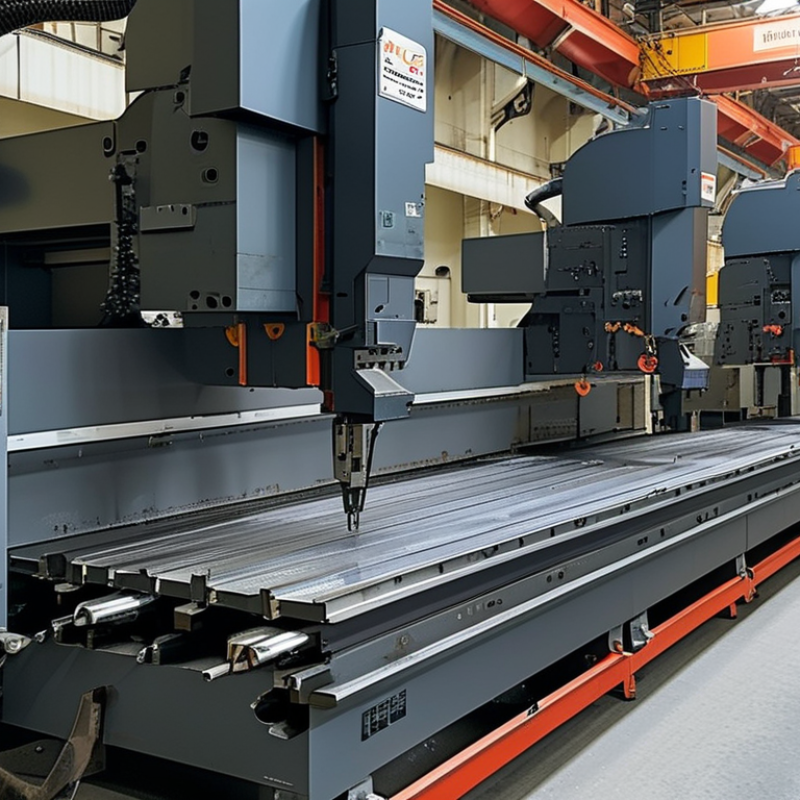
Overview of CNC Bending Machines and Their Applications
CNC bending machines are essential in various industries, offering precision and efficiency. These machines are widely used in manufacturing sectors such as automotive, aerospace, and construction. According to a recent industry report, the CNC bending machine market is projected to grow at a compound annual growth rate (CAGR) of 7.5% by 2026. This growth is driven by the increasing demand for automation and the need for high-quality precision parts.
These machines typically bend metal sheets or other materials into desired shapes. They provide better control over the bending process compared to traditional methods. However, operators must be skilled to ensure accuracy. Improper calibration or use can lead to defects in production. It’s important to invest in training and maintenance.
Tip: Always keep your machine well-calibrated and conduct regular inspections to avoid costly errors. Choosing the right tool for specific materials also impacts the quality of the bending.
In applications involving complex geometries, CNC bending machines show their strength. They create intricate shapes that are difficult to achieve manually. However, challenges such as programming errors or software issues can arise. These problems highlight the need for ongoing education in CNC technology.
Tip: Invest in continuous training for your team to stay updated on the latest CNC software and technology advancements. Understanding the equipment deeply can improve overall productivity.
2026 Best CNC Bending Machine Options for Global Buyers
| Machine Model | Bending Capacity (Tons) | Max Bending Length (mm) | Precision (mm) | Control Type | Applications |
| Model A | 200 | 3000 | 0.05 | CNC | Automotive, Aerospace |
| Model B | 150 | 2500 | 0.03 | Hydraulic | Construction, Furniture |
| Model C | 250 | 4000 | 0.02 | CNC | Heavy Machinery, Sheet Metal |
| Model D | 100 | 1600 | 0.1 | Manual | Lightweight Applications |
Key Features to Consider When Choosing a CNC Bending Machine
When choosing a CNC bending machine, several key features should be put into consideration. Precision is crucial. Machines with a tolerance of ±0.1 mm are often recommended. Look for models that utilize advanced servo motors, ensuring better accuracy and efficiency. A recent industry report indicates that 70% of manufacturers prefer machines with automatic adjustment features for bending angles.
Material compatibility is another significant factor. Some machines are designed for specific materials like steel or aluminum, while others offer versatility. Features like adjustable bending radii can enhance usability across different projects. In a survey, 85% of users expressed satisfaction with models that accommodate various material types without sacrificing performance.
Tip: Assess the machine's flexibility before purchase. Ability to adapt to different materials can save costs in the long run.
Keep in mind the machine's software. User-friendly interfaces simplify operation, making the workflow smoother. However, some advanced features can be challenging to master initially. Ongoing training is essential to ensure all operators are proficient.
Tip: Invest time in training sessions. Familiarity with software can boost efficiency significantly. A machine's capabilities are only as strong as its operators.
Top Manufacturers of CNC Bending Machines in 2026
In 2026, the demand for CNC bending machines is expected to rise. Global buyers are seeking reliable options for their manufacturing needs. Various manufacturers are stepping up to meet these demands. They focus on innovation and efficiency to enhance production processes.
Top manufacturers offer machines designed for precision. These machines can bend various materials, ensuring high-quality outputs. Customers appreciate features that improve usability and minimize production downtime. However, some manufacturers may lack transparency in their specifications. Buyers should conduct thorough research before making decisions. Understanding the actual capabilities of machines is essential for effective purchasing.
Competitiveness is driving manufacturers to improve their designs. Some companies experiment with advanced technologies, while others stick to traditional methods. This variety can lead to confusion among buyers. It's important to weigh the pros and cons of each option. Additionally, feedback from users can shed light on real-world performance. As the industry evolves, buyers must stay informed and adaptable.
2026 CNC Bending Machine Capacity Comparison
Comparative Analysis of CNC Bending Machine Models
When considering CNC bending machines, buyers often face a variety of choices. Each model has unique specifications, performance capabilities, and pricing. A comparative analysis can help buyers identify the best fit for their specific needs. The focus should be on material compatibility, bending accuracy, and ease of operation.
Key features to consider include the machine’s bending capacity, speed, and control options. Some machines excel in precision, while others offer faster processing times. Not all machines are suitable for every application. Researching performance reports and user experiences can be invaluable in this comparison.
Tips: Look for machines that offer programmable settings. This feature enhances efficiency and reduces the risk of human error. Pay attention to customer reviews that discuss maintenance issues. An ideal machine should balance performance with reliability and support. Consider the availability of replacement parts. This aspect ensures long-term usability and minimizes downtime.
Insights into Pricing Trends for CNC Bending Machines Globally
In recent years, the global market for CNC bending machines has undergone significant changes. Buyers are witnessing fluctuating prices driven by various factors. The demand for precision and automation is increasing. This trend has led to a rise in manufacturing costs. Additionally, supply chain disruptions continue to impact pricing reliability. Many buyers are feeling the pressure of these trends.
Buyers should be aware of key insights when considering their options. Country-specific regulations play a role in machine costs. For instance, tariffs and shipping charges can vary drastically. Manufacturers' materials also contribute to final prices. An understanding of local market conditions helps buyers make informed decisions. Insight into these subtleties will aid in avoiding potential pitfalls.
Contemplating investment in CNC bending machines requires careful thought. High-quality machines often demand higher upfront costs. However, long-term savings in operational efficiency might offset this expense. The balance of cost versus quality remains a crucial decision for buyers. Taking the time to analyze all available data is essential for success.





