2026 Best Wheel Cover Injection Molding Machine For Buyers
Choosing the right Wheel Cover Injection Molding machine in 2026 starts with the part, not the sales brochure. A typical wheel cover has a broad, visible surface, so stable filling, balanced cooling, and repeatable dimensions matter. Buyers should compare clamping force with the mold’s projected area, then check shot capacity, tie-bar spacing, platen size, and mold-opening stroke. Small mismatches can cause real trouble. The mold may not fit, or the machine may struggle to fill the part consistently.
Ask suppliers for data tied to your material, mold, and target cycle time. Review sample-part quality, process stability, energy use, and the availability of local service and spare parts. For high-volume production, automation may reduce handling time, but it also adds setup and maintenance needs. There is no universal “best” machine. A useful comparison weighs the full production setup, including cooling channels, robot access, and operator requirements. Request a mold trial where possible, and inspect the actual parts for warpage, sink marks, and surface defects. Numbers help. Production evidence helps more. One detail buyers sometimes overlook is future flexibility: a machine sized only for today’s mold may limit later projects. Still, buying far beyond real needs can raise costs without improving output. That trade-off deserves a careful look.
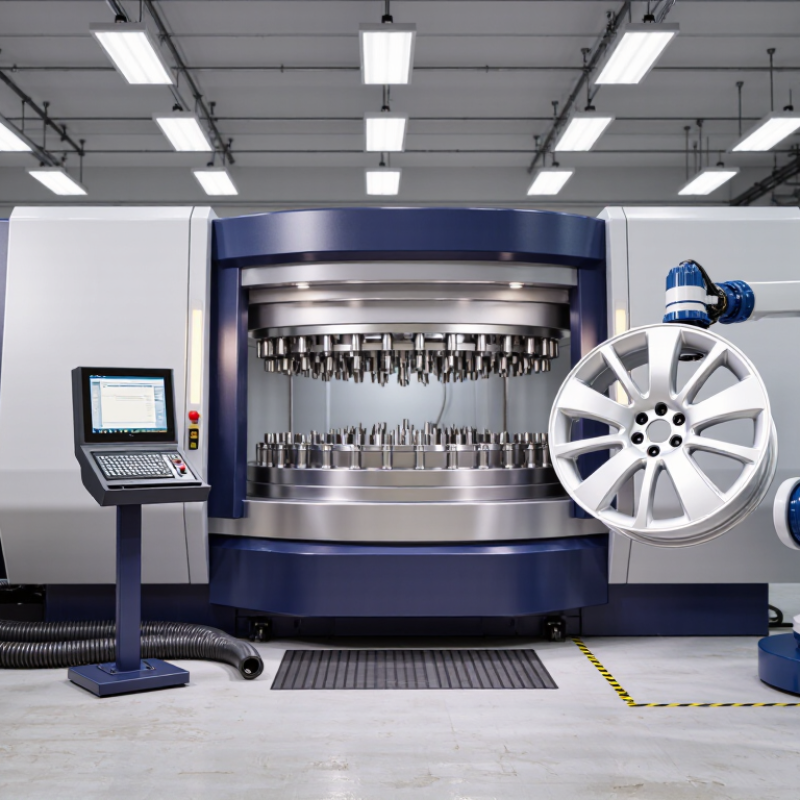
What a Wheel Cover Injection Molding Machine Does
A wheel cover injection molding machine turns plastic pellets into shaped covers through heat, pressure, and controlled cooling. Pellets enter a heated barrel, soften, and are pushed into a closed mold. The mold gives the part its face pattern, rim shape, and fastening features. After the plastic cools, the mold opens and ejector pins release the cover.
The machine’s clamping unit holds the mold shut while plastic fills its cavities. Its controls manage temperatures, injection speed, pressure, and cooling time. These settings affect whether thin spokes fill evenly and whether mounting clips form cleanly. Small details matter. A slight change in cooling can cause warping, while excess pressure may leave visible marks. The first sample is not always right.
Operators and engineers check each cover for dimensions, surface finish, and fit against the intended wheel. They may adjust the process or refine the mold when clips feel loose or edges appear uneven. Material choice also matters, since different plastics behave differently under heat and impact. A machine can repeat a cycle, but it cannot guarantee a good part without careful setup and inspection. Even a stable production run deserves occasional checks.
2026 Best Wheel Cover Injection Molding Machine for Buyers — What It Does
How the machine works: The injection unit melts plastic pellets and injects the melt into a closed wheel-cover mold. The mold is held shut by the clamping unit while the part cools, then opens so the finished cover can be ejected. Polypropylene (PP) is a commonly used material for molded wheel covers; the other materials shown are alternatives. The bars show typical melt-processing temperature ranges, not machine settings for every grade. Always confirm the correct range in the resin supplier’s datasheet.
How Wheel Cover Injection Molding Works
How Wheel Cover Injection Molding Works
Wheel cover molding starts with plastic pellets fed into a heated barrel. A rotating screw melts and mixes them, then pushes the material through a nozzle into a closed steel mold. The cavity forms the cover’s spokes, rim, and mounting features. Cooling channels carry heat away; ejector pins then release the part. Small changes in wall thickness or gate position can leave sink marks, visible flow lines, or uneven edges.
Material and process settings both matter. PlasticsEurope’s 2024 report, Plastics—The Fast Facts, estimates global plastics production at 413.8 million tonnes in 2023. That figure covers many applications, not wheel covers specifically, but it underlines why controlling material use and scrap matters. The awkward part: a glossy sample can still hide weak clips or uneven fit. Check dimensions, retention features, and surface quality across repeated cycles, not just one attractive part.
Tips: Keep records of melt temperature, injection pressure, cooling time, and part weight. Inspect the first shots carefully. Slight warping may appear only after cooling.
Key Machine Specifications Buyers Should Compare in 2026
When comparing a wheel cover injection molding machine, start with the actual part and mold, not the largest advertised tonnage. Cover diameter, projected area, material, and cavity count all affect the required clamping force. Ask suppliers to show their calculation and leave a reasonable process margin. Bigger is not automatically better. An oversized machine can add cost and energy use without improving the finished cover.
Check shot capacity against the complete shot, including runners, and compare injection pressure and speed with the resin and wall thickness. Thin spokes may need fast, even filling; a thick center section may need careful packing. Small details matter. Review platen size, tie-bar spacing, mold thickness range, and daylight. The mold must fit comfortably, with room for cooling lines and safe handling. Also compare ejector stroke and cooling connections, not just the headline cycle time.
Controls should support repeatable settings for temperature, pressure, and injection speed, with alarms that operators can understand. Compare energy use under similar production conditions; catalog figures alone may not reflect your shift. Request a trial using the intended resin and mold, then inspect sample parts for warpage, sink marks, and flash. Operator access is easy to overlook. It can become a daily frustration. A careful comparison may still miss something, so confirm maintenance access and spare-part availability before purchase.
How to Match Materials, Mold Design, and Production Needs
2026 Best Wheel Cover Injection Molding Machine For Buyers
Wheel-cover performance starts with the resin, not the press. Polypropylene is common because it balances low weight, impact resistance, and cost. For exposed covers, compare UV-stabilized grades and check color consistency across batches. A resin datasheet is a starting point, not a guarantee. Test actual parts.
PlasticsEurope’s Plastics – the Fast Facts 2024 reports 413.8 million tonnes of global plastics production in 2023. Grand View Research estimated the injection molding machine market at USD 10.5 billion that year. These figures signal a mature, high-volume sector, but they do not identify the right machine for one wheel cover. Match clamp force to projected part area and cavity pressure; match shot capacity to the part, runner, and resin. Too-large barrels can prolong material residence time.
Mold details can make or break a thin, spoke-shaped cover. Place gates to balance flow, add draft for clean ejection, and tune ribs to limit sink marks. Cooling must reach thick hub areas evenly. Otherwise, the rim may warp after ejection. A perfect cycle on paper can still produce uneven gloss. Run a pilot using the intended resin and measure cycle time, dimensional variation, and scrap. That trade-off deserves a trial.
How to Assess Suppliers, Operating Costs, and Machine Value
A wheel cover injection molding machine should be assessed against the actual part and mold, not just its advertised tonnage. Ask suppliers to review the cover’s projected area, material, wall thickness, and mold layout before recommending clamp force and injection capacity. Request a production trial using a comparable mold. Watch the fill pattern, part weight, cycle stability, and ejection; a clean sample from one cycle proves little. Ask for written details on machine tolerances, commissioning, operator training, and spare-part availability. Service response matters when a production line is waiting.
Operating costs extend beyond the purchase price. Compare expected electricity use per cycle, cooling requirements, routine maintenance, and the cost of common wear parts. Ask how energy estimates were measured, and check whether they reflect your resin, mold, and operating conditions. Small differences can add up. Yet estimates are still estimates. A supplier’s projected cycle time may not match your floor, especially if cooling or manual handling becomes the bottleneck. Calculate value using realistic annual output, expected scrap, labor needs, and planned downtime. Leave room for uncertainty; an overlooked maintenance task can make a lower-priced machine more expensive over time.





