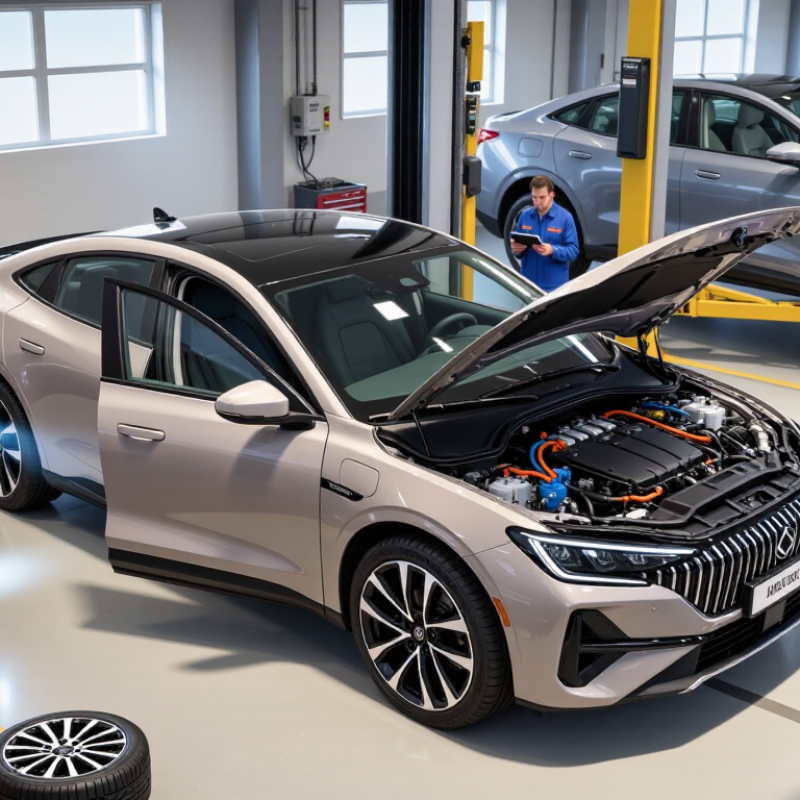
2026 Best Motor Vehicle Inspection Services Guide for Buyers

Buying a used vehicle in 2026 requires more than a polished exterior and a convincing sales pitch. A professional Motor Vehicle Inspection can reveal hidden collision repairs, uneven tire wear, fluid leaks, battery concerns, and electronic faults. These problems may appear minor during a short test drive. They can become expensive soon after purchase.

This guide explains how buyers can compare inspection providers with greater confidence. It examines technician qualifications, inspection depth, diagnostic equipment, reporting standards, and customer communication. A dependable service should check the vehicle on the road and, when possible, on a lift. It should also document findings with clear photographs and practical repair estimates. Electric vehicles and hybrids deserve extra attention. Their battery condition, charging systems, cooling components, and software warnings require suitable expertise.

Details matter.

A strong report does not simply say “good” or “bad.” It separates urgent safety concerns from maintenance items and future risks. Buyers should ask whether the inspection is independent, what it excludes, and whether the provider has experience with the vehicle’s make and powertrain. No inspection catches everything. Weather, access limits, and concealed damage can affect results. That limitation deserves honest discussion. Even careful buyers may overlook small warning signs when excitement takes over. Reviewing the report calmly, asking follow-up questions, and comparing repair costs can support a more informed decision. This guide is designed to make that process clearer, more practical, and less dependent on guesswork.

2026 Best Motor Vehicle Inspection Services Guide for Buyers

What Motor Vehicle Inspection Services Are and Why Buyers Need Them

A motor vehicle inspection service is an independent examination before purchase. A qualified inspector checks the engine, transmission, brakes, suspension, tires, lights, frame, fluids, and electrical systems. Many services also perform an OBD scan, road test, underbody review, and photo documentation. The report should identify current faults, previous repairs, safety concerns, and likely maintenance costs.

Buyers need this service because appearance can hide expensive problems. NHTSA’s 2022 Traffic Safety Facts reported 42,514 U.S. roadway deaths. Inspection cannot prevent every crash, but it can reveal worn tires, weak brakes, damaged steering parts, or poor repairs. NHTSA also recommends regular tire-pressure and condition checks, areas an experienced inspector can document clearly. A lift inspection may expose oil seepage, corrosion, bent components, or fluid leaks missed during a short test drive.

Vehicle history matters too. The National Insurance Crime Bureau reported 1,020,729 vehicle thefts in 2023. A professional service can compare the vehicle identification number, odometer readings, title information, and physical condition. The report may also flag inconsistent damage patterns. Not perfect. A clean inspection is not a guarantee of future reliability. Inspectors can miss intermittent faults, hidden water damage, or problems that appear later. Buyers should ask for measurements, photographs, and written severity ratings, not vague reassurance. That evidence supports more informed price negotiations and safer ownership decisions.

Key Inspection Types and the Vehicle Components They Examine

A thorough motor vehicle inspection should match the buyer’s main risks, not just produce a generic checklist. A pre-purchase inspection usually begins with the vehicle’s history, identification details, and visible condition. The inspector then examines the body, frame, paint gaps, glass, lights, and signs of previous collision repairs. Uneven panel gaps can reveal hidden damage. Fresh underbody coating deserves closer attention.

The mechanical inspection focuses on the engine, transmission, cooling system, belts, hoses, and fluid leaks. A cold start can expose hard ignition, unusual smoke, or noisy components. The technician should inspect the brakes, steering, suspension, wheel bearings, and tires for wear or looseness. A short road test adds useful evidence. It may reveal vibration, pulling, delayed shifting, or brake pulsation. These details often escape a stationary inspection.

An electrical and diagnostic inspection checks the battery, charging system, warning lights, sensors, and stored fault codes. Some faults appear only after driving or reaching operating temperature. For vehicles exposed to wet or snowy conditions, corrosion around connectors and brake lines needs special attention. A qualified inspector should record measurements, photographs, and safety concerns in clear language. However, no inspection predicts every future failure. Even experienced professionals can miss intermittent problems, especially during a rushed appointment. That limitation should influence the buyer’s budget and decision.

2026 Best Motor Vehicle Inspection Services Guide for Buyers

Key inspection types and the vehicle components they typically examine. Coverage varies by jurisdiction, inspection provider, vehicle age, and inspection purpose.

How to read this chart: Each highlighted segment represents a component group commonly included in that inspection type. A pre-purchase inspection is usually the broadest, while an emissions inspection focuses primarily on emissions-related systems and onboard diagnostics.

How to Choose a Qualified Motor Vehicle Inspection Provider

2026 Best Motor Vehicle Inspection Services Guide for Buyers

How to Choose a Qualified Motor Vehicle Inspection Provider

A qualified motor vehicle inspection provider should show verifiable training, relevant certification, and practical inspection experience. Ask whether the inspector works independently from sellers and receives no sales commission. This protects the report’s objectivity. A dependable provider should also carry professional liability coverage and explain its inspection limits before booking.

Request a sample report. It should include clear photographs, measured tire tread depth, brake observations, fluid leaks, warning lights, structural damage, and a road-test assessment. The inspector should check the vehicle identification number against the documents and record the mileage. Ask whether diagnostic scanning is included. Mechanical qualifications matter, but careful communication matters too. A polished report can still miss hidden problems. That is an uncomfortable reality.

Tips: Confirm the inspector’s credentials directly. Check recent, detailed customer feedback. Ask how long the inspection takes. A rushed visit is a warning sign. Choose a provider who welcomes questions and explains urgent repairs without dramatic language. If possible, attend the inspection and note cold-start noise, uneven panel gaps, dashboard alerts, and unusual exhaust color. Bring an independent mechanic’s questions. No inspection catches everything.

What to Expect During the Inspection Process

2026 Best Motor Vehicle Inspection Services Guide for Buyers

What to Expect During the Inspection Process

A professional vehicle inspection usually begins with the exterior and cabin. The inspector checks paint, glass, doors, seat belts, warning lights, and signs of previous repairs. Then, the examination moves underneath. Look for fluid leaks, damaged suspension parts, uneven tire wear, and corrosion. The engine bay receives close attention too. A cold start may reveal unusual smoke, rattling, or difficult ignition. The inspector may also scan the vehicle’s electronic systems for stored faults.

A road test, when safe and permitted, shows details that a parked vehicle cannot. The inspector may assess steering response, braking stability, transmission shifts, vibration, and suspension noise. Ask for a written report with photographs and clear repair priorities. A serious defect should not be softened by phrases like “minor issue.” Still, no inspection finds everything. Hidden damage, intermittent faults, or future failures can remain uncertain. I would rather see an honest limitation than false confidence.

Tips: Attend the inspection if possible, but avoid directing the inspector. Bring the vehicle history and mention any concern before testing begins. Ask whether the engine was cold and whether the underside was inspected. Compare the report with the seller’s statements. If the findings feel rushed or vague, request a second opinion from another qualified professional. Pay attention to small clues. A fresh engine wash can look reassuring, yet it may also hide recent leaks.

2026 Best Motor Vehicle Inspection Services Guide for Buyers - What to Expect During the Inspection Process

A professional pre-purchase inspection should be performed by an independent, qualified inspector before payment or final commitment. The exact scope, duration, and price vary by vehicle type, location, and inspection level.

Inspection findings should be documented in writing, supported by photographs where appropriate, and reviewed before negotiating the purchase price.
Inspection Stage What Is Checked Typical Time Evidence or Report Provided Common Findings Buyer Action Priority
Vehicle Identification and Documents Vehicle identification number, registration details, title status, odometer consistency, recall information, and available maintenance records. 10–20 minutes Recorded vehicle identification number, document comparison, and notes about missing or inconsistent records. Incomplete service history, title branding, mileage discrepancies, or unresolved safety recalls. Pause the purchase until inconsistencies are verified through official records and the seller provides adequate documentation. High
Exterior Body and Structural Condition Paint uniformity, panel alignment, corrosion, glass, lights, doors, roof, underbody, frame or unibody areas, and signs of collision repair. 20–35 minutes Exterior condition checklist and photographs of damage, corrosion, repaired panels, or structural concerns. Uneven paint thickness, misaligned panels, rust, cracked glass, water damage, or poorly repaired collision damage. Obtain repair estimates and determine whether damage affects safety, resale value, or insurability. High
Tires, Wheels, and Brakes Tread depth, uneven wear, tire age and condition, wheel damage, brake pad thickness, discs or drums, brake lines, and parking brake operation. 15–25 minutes Measured tread and brake observations, tire condition notes, and photographs when replacement is recommended. Uneven tire wear, mismatched tires, low tread, warped brake discs, worn pads, or damaged wheels. Budget for immediate replacement if safety margins are low; investigate suspension or alignment problems causing uneven wear. High
Engine Compartment and Fluid Systems Fluid levels and leaks, belts, hoses, battery condition, cooling system, engine mounts, visible wiring, and signs of overheating or poor maintenance. 20–30 minutes Fluid leak locations, component condition, battery test results when available, and maintenance recommendations. Oil or coolant leaks, cracked hoses, corroded battery terminals, low fluid levels, or evidence of overheating. Request a written estimate for repairs and ask whether the vehicle can be inspected again after corrective work. Important
Cold Start and Engine Operation Starting behavior, idle quality, exhaust smoke, unusual noises, warning lights, acceleration response, and signs of misfiring. 10–20 minutes Cold-start observations, warning-light notes, and descriptions of abnormal sounds or exhaust emissions. Hard starting, rough idle, blue or white smoke, persistent warning lights, knocking, or excessive vibration. Arrange further diagnostic testing before purchase; do not rely only on a seller’s explanation of warning lights. High
Transmission and Drivetrain Gear engagement, shift quality, clutch operation where applicable, driveshafts, axles, differentials, transfer components, and visible leaks. 15–25 minutes Road-test observations and notes about slipping, delayed engagement, harsh shifting, vibration, or drivetrain noise. Transmission slipping, delayed shifting, clutch wear, clicking during turns, or vibration under acceleration. Obtain a specialist diagnosis and repair estimate because drivetrain repairs can be costly. High
Suspension and Steering Shock absorbers or struts, springs, bushings, ball joints, tie rods, steering play, ride height, and alignment-related symptoms. 15–25 minutes Component condition notes, signs of looseness, and recommendations for alignment or replacement. Excessive bouncing, steering pull, clunking, uneven ride height, or worn suspension joints. Separate routine wear from safety-critical looseness and obtain an estimate before negotiating. Important
Electrical and Safety Equipment Headlamps, indicators, horn, wipers, windows, locks, dashboard warning lights, airbags, seat belts, parking sensors, and cameras. 15–25 minutes Functional test results and a list of failed or intermittent electrical and safety features. Airbag warning light, failed lights, malfunctioning safety sensors, weak battery, or intermittent electronic faults. Treat airbag and safety-system faults as purchase blockers until properly diagnosed and repaired. High
Interior, Climate Control, and Water Intrusion Seat belts, seats, controls, heating, air conditioning, dashboard functions, odors, carpet moisture, trunk condition, and drain channels. 15–25 minutes Interior condition rating, operational test results, and photographs of stains, mold, or water entry. Non-working climate control, damp carpeting, mold odor, damaged restraints, or extensive interior wear. Find and price the cause of water entry; moisture-related electrical problems may appear later. Important
Diagnostic Scan Stored and pending fault codes, emissions readiness monitors, electronic control module data, and warning-light history where supported. 10–20 minutes Diagnostic code list and explanation of whether codes are current, pending, or recently cleared. Unresolved fault codes, incomplete emissions monitors, or evidence that codes were cleared shortly before inspection. Require further diagnosis and a completed drive cycle when emissions readiness is incomplete. Important
Road Test Acceleration, braking, steering response, alignment, suspension noise, transmission behavior, cruise operation, and temperature stability. 15–30 minutes Road-test route conditions, speed-related observations, and a description of abnormal handling or noise. Pulling, vibration, brake pulsation, overheating, poor acceleration, or abnormal drivetrain sounds. Do not waive the road test unless the vehicle is unsafe to drive; arrange an alternative controlled evaluation. High
Undercarriage Inspection Oil pan, transmission case, exhaust system, fuel lines, brake lines, subframes, floor panels, underbody corrosion, and fluid leaks. 15–30 minutes Lift or accessible-underbody photographs and a written assessment of leaks, corrosion, and structural condition. Active leaks, severe corrosion, damaged exhaust components, bent structural parts, or deteriorated brake lines. Confirm whether corrosion is cosmetic or structural; structural corrosion should receive specialist evaluation. High
Final Report and Buyer Review Summary of safety defects, immediate repairs, future maintenance, estimated severity, and limitations of the inspection. 10–30 minutes Written inspection report with photographs, measurements, recommendations, and a clear list of excluded items. Deferred maintenance, safety defects, uncertain repair costs, or inspection limitations caused by restricted access. Use documented findings to negotiate, request repairs, seek a second opinion, or walk away from the transaction. Required

How to Interpret Inspection Reports and Make a Buying Decision

An inspection report is not a simple pass-or-fail certificate. It shows the vehicle’s condition on one specific day. Read the evidence before the opinion. Check brake thickness, tire tread depth, fluid leaks, warning lights, and diagnostic scan results. Clear photographs matter. A vague note such as “monitor soon” needs a direct question. Ask what was observed, where it appears, and how quickly it may worsen. An experienced inspector should also explain limitations, including hidden damage or faults requiring longer driving.

Separate safety issues from comfort defects. A cracked suspension component, weak braking system, or severe structural corrosion deserves immediate attention. Scratched trim does not carry the same weight. Compare the report with maintenance records and your own test drive. If the engine sounds smooth but testing shows low oil pressure, trust the measurement. Get written repair estimates from an independent workshop. Keep a reserve for problems the inspection could not reveal. Reports are helpful, but never perfect.

Use the findings to set a firm price boundary. Add urgent repairs and likely maintenance costs. If the total exceeds your budget buffer, renegotiate with evidence or walk away. A clean report still cannot guarantee a trouble-free year. I once treated a minor leak as harmless. It later revealed a larger seal problem. That mistake changed how I read “minor.” Now I check severity, evidence, timing, and cost before deciding. If a serious item remains unclear, pause the purchase and request another inspection.

Powder Coat Booths

For those larger-sized parts, or smaller quantity runs, we have 2 independent powder coat booths and ovens. The quality, durability and affordability of today’s powder coating finishes make this the process of choice for world-class companies.

Powder coating advantages over other forms of coating are many. Materials used in the Powder coating process can be metals and non-metals that come in a multitude of thicknesses, textures, colors, etc. Another of Powder coating’s biggest advantages over conventional coatings is its ability to create finishes in many different textures. Powder Coating Booths allow us the ability to apply these advantages to large products.

Wet Paint Line

Tri-State Fabricators runs a full-service conveyor line for painting. Wet painting can provide protection or decoration to many different part styles. From start to finish, every project is easier to undergo random and point-based inspection by our skilled painting team.

Advantages to our Wet Paint Line are these lines start with product prep and ends with a thorough inspection of a high quality finished product. Our ability to complete large and small projects with a superior finish and doing so in a timely and economical fashion. This passes along the savings in production to our customers. When powder coating ins not an option, our Wet Paint Line gets the job done right the first time.

Wet Paint Booths

When the parts get big and heavy we roll-out our custom paint racks and oversize booth. By utilizing our partnerships with all the major paint brands, we can match virtually any color with wet paint.

The advantages of having access to a Wet Paint Booth are many. Large projects of many different shapes can be loaded into the booth. The Wet Paint Booth offers an environment that is much more controlled than a typical parts painting operation.

Not only are they used because of their controlled environment, but they’re are also advantageous when it comes to applying paint to parts that are needed in industries that require specialty coatings such as medical, aerospace, etc.

Military CARC

Our military forces have some very high standards when it comes to the finish of their vehicles and equipment. From the first pre-treatment step to final coat, it takes a great deal of knowledge and experience to protect the men and women of our armed forces. They deserve only the best, and Tri-State Fabricators provides it.

All of our processes are closely monitored by our staff and management teams. Both of which are highly trained in the processes of metal fabrication and finishing. Tri-State Fabricators’ goal is to always fully satisfy each and every customer, including the military. We will always put a 110% into what we do.

Glass-Bead Blasting

Abrasive media blasting is an excellent way to remove old paint, rust, and increase the paint/powder adhesion. Glass beads produce a much smoother and brighter finish than angular abrasives; leaving the part clean yet without any dimensional change. Chemically inert and environmentally friendly, we can recycle our beads approximately 30 times; making them a more preferred method of metal cleaning or surface finishing.

Advantages to Glass Bead Blasting are many. Glass bead blast media is used when a project is needing rough surfaces need to become smooth for applications of coatings such as paint. It is typically used to clean paint and rust from a product surface without deforming the surface it is being used on. Overall, compared to many other blasting media, Glass Bead Blasting is a very economical choice and those savings are always passed on to our customers.

Part Washing

Tri-State Fabricators utilize a zinc phosphate wash to clean and etch the material to ensure the best paint adhesion possible. The unique design of our 3-stage wash system does the work like a 5-stage. From Cleaning and rinsing to conversion coating and post-treatment, Our Part Washing process is a complete service and works throughout the fabrication service and the finishing service.

Along with the previously mentioned benefits, Curing is a vital chemical reaction that leaves the product finish hard and relatively safe from mild abrasion and aggressive corrosion. This process can be done in more than one way; ambient air-dry or in curing ovens at temps that exceed 240°.

Burn-Off Oven

From fixing paint mistakes (someone else’s of course) to simply cleaning our paint line hooks, our burn-off oven is put to good use. After a quick burn-off, a little clean up, and a fresh coat of paint, your parts will look better than new.

Why does our Burn-Off Oven work so well? Because super heating the air around parts turns the materials into ashes. From paint and powder coatings to rubber and machining oils, high temps do the job without degrading the integrity of the part.

Masking

Masking is a vital part of producing high quality products. We have die-cut masking patterns to protect machined surfaces as well as a wide range of plugs and caps to protect threaded holes and bolts. We provide permanent and temporary masking.

Masking allows the selected sections of a product to be protected from a fabrication or finishing service. This can be with both chemicals when etching and tapes, paints when only finishing just a section of the product. Masking is great in aiding the customization process of a project.

Screen Printing

Screen printing is a photographic process that transfers artwork onto a porous nylon screen which allows colored ink to flow through the screen and be deposited on an aluminum or plastic component. We can generally have just about any design created onto a screen for your parts.

Some of the advantages of Screen Printing are, brand recognition for your business displaying on your products, assembly instructions, product warnings/hazards, etc. Tri-State Fabricators produces Screen Printing of the highest quality so you know it’s durable.

Metal Finishing

Metal Finishing is the art of treating the exterior portion of product, often metal but can also be made of other materials, so that the surface is clean and free of any debris. Then the process of applying coats or either paint of powder coat takes place. This coating process improves the quality of the product in both appearance and resistance to wear and corrosion.

Tri-State Fabricators, Inc., understands that a project typically isn’t complete until a high-quality finish has been added to your product. This is why our painting and powder coating teams continuously inspect the products throughout the Metal Finishing process.