2026 Best Stainless Steel U Channel Types for Global Buyers?
In the world of construction and manufacturing, the Stainless Steel U Channel has emerged as a crucial component. Its versatility and strength make it a popular choice among engineers and architects. This article explores different Stainless Steel U Channel types suitable for global buyers in 2026.
Global demand for quality materials continues to rise. Buyers seek reliable and durable options. The Stainless Steel U Channel stands out due to its resistance to corrosion and structural integrity. These channels come in various sizes and finishes, catering to diverse project requirements.
Understanding the different types of Stainless Steel U Channels can enhance decision-making. It's important to be aware that not all suppliers maintain the same quality standards. Buyers must conduct thorough research and consider the manufacturer's credibility. Each project's needs are unique, requiring careful consideration of options available in the market.
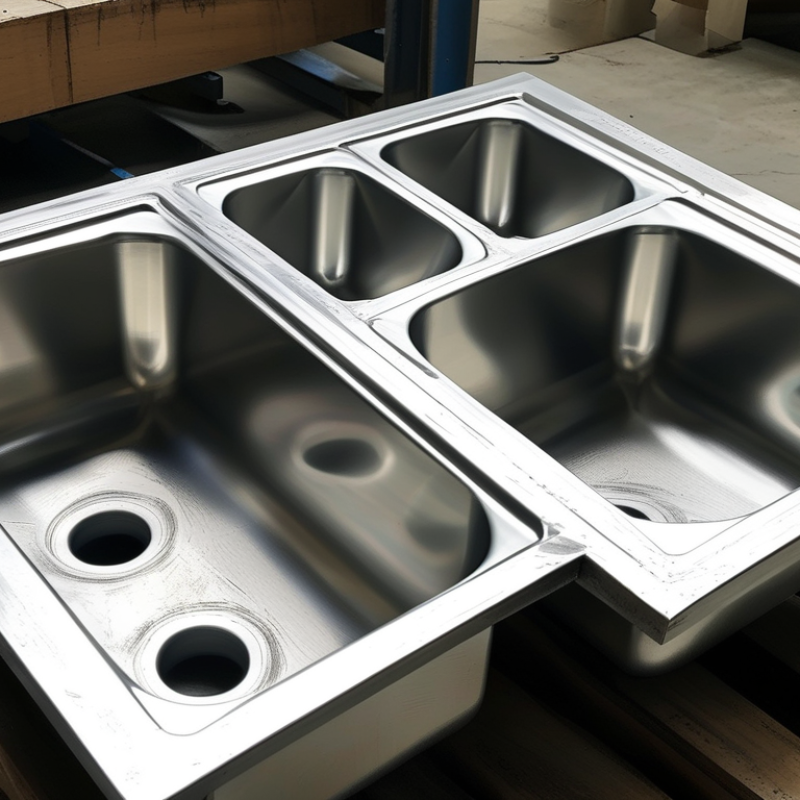
Overview of Stainless Steel U Channel Types Available in 2026
In 2026, the stainless steel U channel market offers a variety of options for global buyers. These channels serve critical roles in construction, manufacturing, and industrial applications. According to a report by Smithers Pira, the demand for stainless steel structures is expected to grow by 6.5% annually. This growth creates opportunities for innovative U channel designs.
Stainless steel U channels are available in various grades, including 304 and 316, each with distinctive properties. The 304 grade offers excellent corrosion resistance, making it popular for architectural applications. Conversely, the 316 grade includes molybdenum, enhancing its resistance to chlorides. Many suppliers now offer channels with different finishes, such as polished or brushed, catering to both aesthetic and functional needs.
Despite advancements, challenges persist in standardization and pricing variability. Some manufacturers face difficulties meeting varying international standards. Price fluctuations in raw materials also affect market stability. Buyers must remain vigilant about these factors when making purchasing decisions. The U channel landscape in 2026 is dynamic, filled with opportunities yet layered with complexities.
Key Features of Stainless Steel U Channels for Global Buyers
Stainless steel U channels are essential in various industries. Their strength and durability make them ideal for construction, manufacturing, and more. A recent industry report by MarketsandMarkets indicates that the stainless steel market is projected to reach $156.8 billion by 2026. This growth draws attention to U channel applications.
Key features of stainless steel U channels include rust resistance, which enhances their longevity. The austenitic stainless steel grades often used, like 304 and 316, offer excellent corrosion resistance. Data from the International Stainless Steel Forum suggests that austenitic stainless steels account for about 70% of global usage. Furthermore, these channels are easily fabricated, allowing for customized lengths and shapes to fit specific project requirements.
Beyond their advantages, it’s essential to consider the sourcing of stainless steel. The quality of raw materials can vary, impacting the final product. Industries must prioritize reliable suppliers to maintain standards. Selecting the right U channel type requires careful evaluation of mechanical properties and cost-effectiveness. Awareness of these factors is critical for making informed purchasing decisions in a competitive marketplace.
2026 Best Stainless Steel U Channel Types for Global Buyers
This chart represents the global demand for various types of stainless steel U channels in metric tons as expected in 2026. The analysis indicates a substantial preference for Type 304 and Type 316, which are known for their corrosion resistance and structural integrity.
Comparative Analysis of Material Grades for U Channels
Stainless steel U channels are vital in various constructions and manufacturing processes. Key grade types include 304 and 316 stainless steel. Grade 304 offers good corrosion resistance, while 316 provides superior protection against harsh chemicals. According to industry reports, around 50% of U channels utilized in marine environments use grade 316 due to its durability. This highlights the material’s significance in specific applications.
When comparing grades, one must consider cost versus performance. Grade 304 is more affordable but less resistant to saltwater corrosion. Grade 316, while more expensive, often proves cost-effective in the long run. The initial investment can lead to reduced maintenance costs. Studies indicate that failure rates of 316 U channels in corrosive environments can be 30% lower than those made from 304.
Notably, not all applications require the highest grade available. Some projects may benefit from using lower grades in less demanding situations. Choosing the right grade involves assessing environmental factors and projected stress levels. This choice can impact the overall safety and lifespan of a structure. Ultimately, a nuanced understanding of material grades leads to informed decisions in U channel selection.
Applications of Stainless Steel U Channels in Various Industries
Stainless steel U channels find applications across various industries due to their durability and versatility. In construction, these channels are used for structural support. According to a market analysis, the global stainless steel market is projected to grow at a CAGR of 5.2% from 2021 to 2026. This trend reflects the increasing adoption of stainless steel in infrastructure projects.
In the automotive sector, U channels serve as critical components for frame construction. They provide strength while being lightweight, which is essential for fuel efficiency. Reports indicate that over 30% of new cars now utilize stainless steel in their frames. This shift underscores the material's importance in meeting strict manufacturing standards.
Tip: When selecting stainless steel U channels, consider their corrosion resistance. Less corrosion means lower maintenance costs over time.
Another area where stainless steel U channels excel is in manufacturing. From machinery to conveyors, their structural integrity ensures safety and longevity. However, the variability in steel grades can affect performance. Further exploration into specific grades is essential for optimal performance in high-stress environments.
Tip: Always confirm the channel's specifications with your supplier. Proper grading matters greatly in applications involving heavy loads.
2026 Best Stainless Steel U Channel Types for Global Buyers
| Type | Dimensions (mm) | Weight (kg/m) | Applications | Industry |
| U Channel 50x25 | 50 x 25 | 3.1 | Structural support | Construction |
| U Channel 75x40 | 75 x 40 | 5.7 | Machine frames | Manufacturing |
| U Channel 100x50 | 100 x 50 | 8.3 | Construction frames | Engineering |
| U Channel 150x75 | 150 x 75 | 12.1 | Heavy-duty applications | Transport |
| U Channel 200x100 | 200 x 100 | 16.8 | Superstructure | Construction |
Tips for Sourcing Quality Stainless Steel U Channels Globally
When sourcing stainless steel U channels globally, quality is critical. Stainless steel U channels are used in numerous industries, including construction and manufacturing. According to industry reports, the demand for stainless steel products is projected to grow by 4.5% annually. Buyers should focus on specific grades, such as 304 and 316, known for their corrosion resistance and durability. Understanding these specifications can help in making informed decisions.
Establishing relationships with reputable suppliers is essential. Engaging suppliers with ISO certifications can enhance reliability. A recent study highlighted that 78% of sourcing managers prioritize certifications in their vendor selection. Buyers should request product samples before finalizing their orders. This step ensures that the channels meet specific requirements. However, it’s important to be aware that not all testing methods are created equal. Some might yield varying results based on environmental factors.
Being informed about fluctuating prices is equally important. Stainless steel prices can be influenced by global market trends. Staying updated with market analysis reports can help buyers anticipate cost changes. Failure to track this can lead to budget overruns. Conducting thorough research and maintaining open communication with suppliers lays the foundation for successful sourcing. Accountability in sourcing practices can further improve the overall procurement experience.





